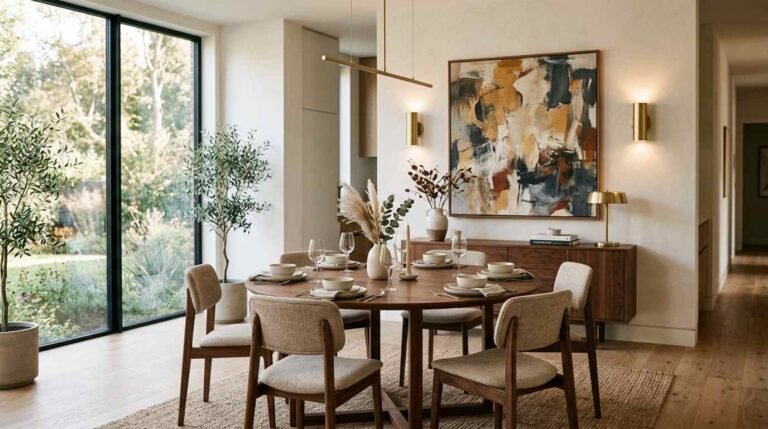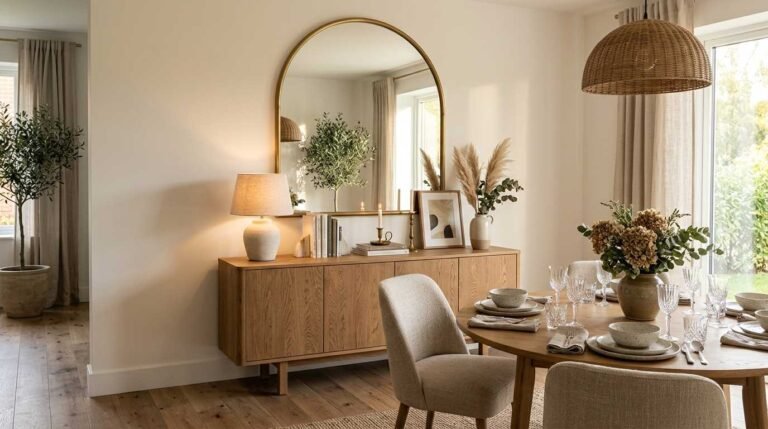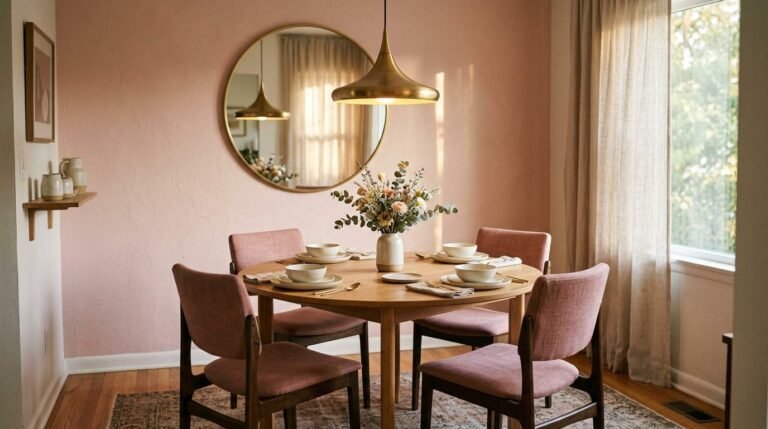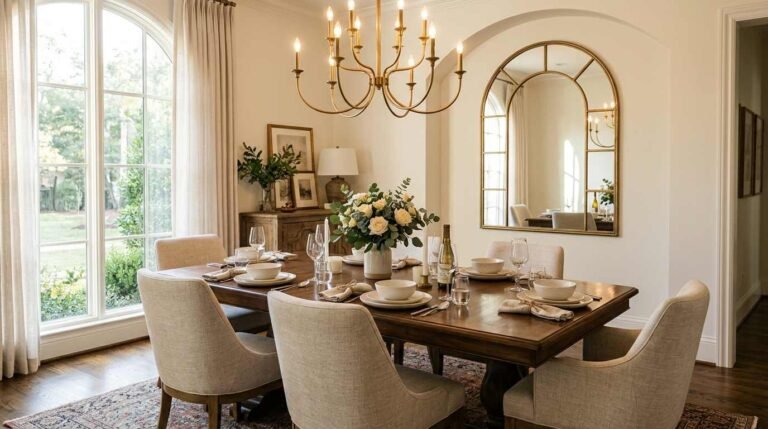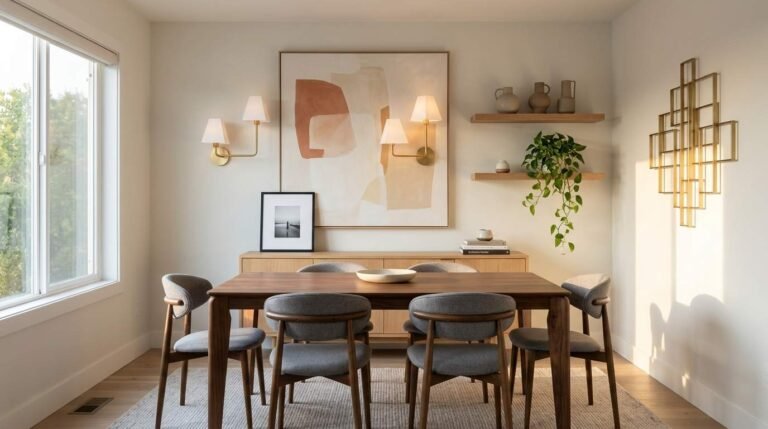
Ever wish your dining room felt a little more alive? A little greener, warmer, and more inviting? Dining room plants decor is one of the simplest ways to bring that feeling into any space, no matter how much natural light you have. In my experience, even one well-placed plant can completely change how a dining room feels, turning a plain table or empty corner into something you actually want to sit near.
1. Small But Mighty — Best Small Plants for Dining Room Tables That Steal the Show

- Adds a natural pop of color without taking up much space
- Works well in small pots that fit any table size
- Keeps the tabletop feeling fresh without blocking sightlines
- Pairs beautifully with simple ceramic or woven planters
Small plants prove that size has nothing to do with impact when it comes to dining room plants decor. A compact succulent or a small potted herb adds life to the table without ever getting in the way of meals or conversation. In my experience, choosing a plant that stays under six inches tall keeps the table functional while still adding that fresh, natural touch people love. It’s an easy starting point for anyone new to styling with greenery indoors.
These small additions also make it easy to switch things up seasonally, since compact plants are simple to rotate or replace. I’ve noticed that grouping two or three tiny pots together, rather than using just one, creates a fuller look without overwhelming the table. This idea works in nearly every dining room style, from modern to farmhouse, making it one of the most versatile ways to bring nature into everyday meals.
2. Go Big — Tall Plants for Dining Room Corners That Make a Statement

- Fills empty corners with natural height and texture
- Works well as a standalone focal point in the room
- Adds drama without needing much floor space
- Suits dining rooms with higher ceilings or tall windows
A tall plant tucked into an empty corner instantly gives a dining room presence. Varieties like a fiddle leaf fig or a snake plant bring height and texture to a space that might otherwise feel flat or unfinished, especially in rooms with plain walls or minimal furniture nearby. That’s why many designers recommend a statement plant as one of the easiest ways to fill an awkward corner without adding more furniture.
I’ve seen this idea work particularly well in dining rooms with tall ceilings, where the extra height actually balances the proportions of the room. A single large plant often does more visual work than several smaller ones scattered around, making it a smart, low-effort investment. This approach suits homeowners wanting their dining room to feel more finished and alive.
3. Hang It Up — Stunning Hanging Plants Dining Room Ideas You Will Adore

- Adds greenery without using any floor or table space
- Works beautifully near windows with good natural light
- Creates visual interest at eye level and above
- Suits small dining rooms needing vertical decor solutions
Hanging plants bring dining room plants decor to a whole new level, quite literally. Suspended near a window or above a side table, a trailing plant like a pothos or string of pearls adds greenery exactly where floor and table space might otherwise run out. This idea is especially useful in small dining rooms, where every surface already has a job to do.
I’ve tried this near a bright window, and the natural light combined with the trailing vines created a genuinely striking visual moment in an otherwise plain corner. Choosing a sturdy hook and a lightweight planter keeps the setup safe and low-maintenance. This idea works especially well paired with simple curtains or minimal window treatments nearby.
4. Shelf Life — Creative Plant Shelf Dining Room Styling Ideas

- Uses vertical wall space to display multiple plants
- Works well with floating shelves or a small étagère
- Keeps plants organized without cluttering the table
- Adds a layered, curated look to a blank wall
A dedicated plant shelf turns an empty wall into a green focal point without touching the dining table at all. Floating shelves styled with a mix of small pots, trailing vines, and the occasional decorative object create a layered display that feels curated rather than random. This approach works especially well in dining rooms with limited surface space elsewhere.
I’ve noticed that varying plant heights and pot styles on the same shelf makes the whole arrangement feel more intentional. Leaving a little breathing room between each plant, rather than crowding the shelf, keeps the display looking finished while adding a warm touch of desi home decor. This idea suits both modern and eclectic dining rooms equally well.
5. No Sun, No Problem — Best Low-Light Plants Dining Room Owners Will Love

- Solves the challenge of dining rooms with limited natural light
- Works with hardy varieties like pothos, ZZ plants, and snake plants
- Keeps greenery alive without requiring constant care
- Suits interior dining rooms far from windows
Not every dining room gets abundant sunlight, and that’s exactly where low-light plants prove their worth in small dining room decor modern spaces. Varieties like the ZZ plant, snake plant, or pothos thrive in dim corners where most other greenery would struggle, making them ideal for interior dining rooms without direct window access. This solves one of the most common frustrations people run into with dining room plants decor while adding a fresh, natural touch to a compact dining area.
I’ve seen these hardy plants survive in dining rooms that get almost no natural light at all, which makes them a reliable choice for basement dining areas or windowless nooks. Choosing a low-light variety removes the guesswork and worry that often comes with keeping greenery alive indoors, making this one of the most beginner-friendly ideas on this list.
6. Boho Vibes — Boho Dining Room Plants That Feel Like a Dream

- Adds a relaxed, earthy feeling through natural greenery
- Works well with woven planters and macrame hangers
- Pairs beautifully with rattan and warm wood tones
- Suits eclectic, layered dining room styles
Boho styling and plants go hand in hand, since greenery naturally complements the relaxed, textured feel this style is known for. Pairing a trailing plant in a macrame hanger with a woven basket planter on the floor creates that effortless, collected look boho interiors are loved for. This combination brings warmth and personality into a dining room without feeling overly staged or matched.
I’ve tried mixing several plant varieties with different pot textures in a boho dining space, and the slightly imperfect, layered result always feels more genuine than a coordinated set. Rattan chairs or a wood table nearby ties the whole look together beautifully, making this idea a favorite for anyone drawn to a warmer, more relaxed aesthetic.
7. Modern and Fresh — Modern Dining Room Plant Decor Inspiration

- Keeps greenery clean, simple, and visually restrained
- Works well with sleek pots in white, black, or concrete finishes
- Suits minimalist dining rooms with neutral color palettes
- Adds life without disrupting a clean modern look
Modern dining room plant decor leans into simplicity, using clean-lined pots and structural plants rather than a busy, overgrown look. A single sculptural plant, like a snake plant or a small olive tree, in a matte concrete or white pot fits seamlessly into a minimalist space without adding visual clutter.
I’ve noticed that modern dining rooms benefit most from just one or two well-placed plants rather than several scattered around. Choosing a plant with strong, architectural leaves echoes the same clean lines already present in modern furniture and lighting fixtures nearby, making this a reliable way to add life without disrupting the room’s aesthetic.
8. Table Goals — Beautiful Centerpiece Plants Dining Table Ideas

- Creates a natural, everyday centerpiece for the dining table
- Works well with low, wide plant arrangements
- Keeps sightlines clear for conversation during meals
- Suits both casual and formal dining table styling
A centerpiece plant brings dining room plants decor directly to where meals happen. Choosing a low, wide arrangement, like a small succulent garden or a shallow planter of herbs, keeps the table looking fresh without blocking anyone’s view across the table during dinner conversations.
That’s why many designers recommend low centerpieces over tall vases for everyday dining use. I’ve seen this work particularly well with a mix of textures, like a mossy planter paired with smooth stones, creating visual interest without needing height. This idea keeps the table functional and beautiful for both casual family meals and more formal dinner gatherings.
9. Let It Trail — Gorgeous Trailing Plants for Dining Room Decor

- Adds movement and softness to shelves or high surfaces
- Works beautifully cascading from a plant stand or shelf
- Softens hard furniture lines with organic shape
- Suits nearly every dining room style and layout
Trailing plants bring a sense of movement that upright plants simply can’t achieve. Draping down from a shelf, plant stand, or hanging planter, varieties like pothos or string of hearts add a soft, organic quality that balances the straight lines common in dining room furniture and shelving units.
I’ve tried placing a trailing plant on top of a china cabinet, and the cascading vines instantly softened what had been a very boxy, structured piece of furniture. This idea works especially well in dining rooms with tall furniture pieces that could use a little visual softening without adding more clutter to the surfaces below.
10. Easy and Beautiful — Easy Care Dining Room Plants for Busy People

- Solves the challenge of keeping plants alive with a busy schedule
- Works with hardy, forgiving varieties that need little attention
- Keeps dining room plants decor low-maintenance and stress-free
- Suits beginners and experienced plant owners alike
For busy households, easy-care plants make dining room plants decor genuinely achievable without added stress. Varieties like pothos, snake plants, and ZZ plants tolerate inconsistent watering and varying light conditions, making them ideal for anyone who wants greenery without a demanding care routine.
I’ve seen these forgiving plants thrive even when watered only once every couple of weeks, which takes the pressure off busy schedules. Choosing just one or two of these hardy varieties is often enough to bring life into a dining room without adding another task to an already full to-do list.
FAQS
1. What are the best plants for dining room decor?
Pothos, snake plants, ZZ plants, and small succulents are among the best choices for dining room decor, since they’re hardy and visually versatile. They work well on tables, shelves, or as hanging accents. In my experience, choosing plants that match your available light makes the biggest difference in how well they thrive.
2. Can I put real plants on my dining table?
Yes, real plants work well on a dining table as long as they’re kept low and compact so they don’t block sightlines during meals. Small succulents or a shallow herb planter are popular choices. Just be mindful of pets or curious kids who might be tempted to explore them.
3. What plants grow well in low-light dining rooms?
ZZ plants, snake plants, and pothos all tolerate low light exceptionally well, making them ideal for dining rooms without much natural sunlight. I’ve seen these varieties survive in dim corners where most other plants would struggle. They’re a reliable choice for interior or windowless dining spaces.
4. Are succulents good for dining room plant decor?
Yes, succulents are a great option for dining room plant decor, especially as small centerpieces or tabletop accents. They require minimal watering and hold up well in warm, dry indoor environments. Their compact size also makes them easy to arrange without overcrowding the table.
5. How do I style a dining room with plants?
Start with one larger statement plant in a corner, then add smaller accents on shelves or the table. Mixing plant heights and pot styles creates a layered, natural look. That’s why many designers recommend combining at least two or three plant sizes rather than relying on just one.
6. What size plant is best for a small dining room?
Smaller potted plants or trailing varieties work best in tight dining spaces, since they add greenery without taking up much floor or table room. Hanging plants and shelf displays are especially useful for small rooms where every surface already serves another purpose.
7. How often should I water my dining room plants?
Most dining room plants, including pothos and snake plants, only need watering every one to two weeks. Overwatering is a more common issue than underwatering. I’ve noticed that checking the soil before watering, rather than following a strict schedule, keeps plants healthier long-term.
8. What are good trailing plants for a dining room?
Pothos, string of pearls, and string of hearts are excellent trailing options for dining rooms. They work beautifully on shelves, plant stands, or hanging planters, adding movement and softness to the space. These varieties are also fairly low-maintenance, making them beginner-friendly choices.
9. Can hanging plants work in a dining room?
Yes, hanging plants work especially well near windows or above furniture where floor and table space are limited. A trailing plant in a hanging planter adds greenery at eye level without interfering with the table setup. Just make sure the hook and planter are secure and stable.
10. How do I keep my dining room plants alive and healthy?
Match each plant to the light conditions actually available in your dining room, rather than guessing. Avoid overwatering, and rotate pots occasionally so plants grow evenly. I’ve seen the healthiest indoor plants come from owners who choose low-maintenance varieties suited to their specific space.
Conclusion
A dining room doesn’t need a full redesign to feel more alive — it just needs a little greenery in the right places. From small tabletop plants to trailing vines and hanging displays, these dining room plants decor ideas show how easy it is to bring warmth and freshness into any space. I’ve seen how something as simple as one new plant can completely shift the feel of a room.