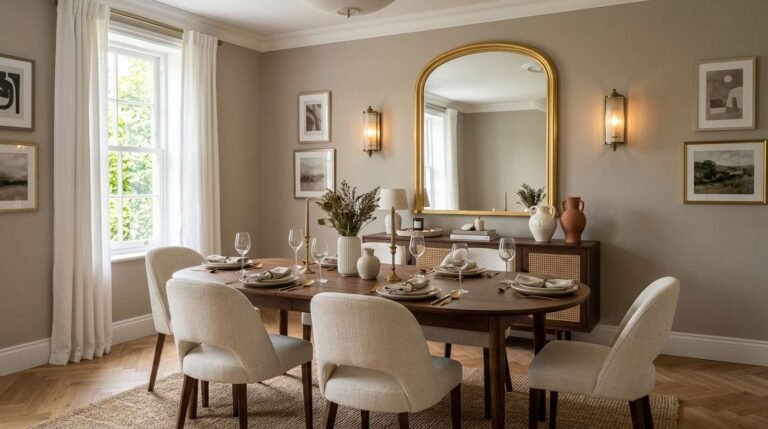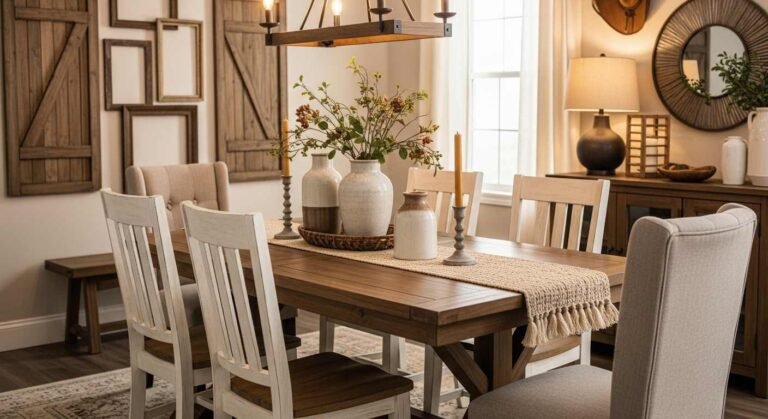
Think your tiny rental can’t have a dining space you’re proud of? Think again. These dining room decor apartment ideas prove that even the smallest corner can feel warm, stylish, and completely yours. In my experience, renters often believe they need permanent changes to make a real impact, but a warm pendant, a round table, or a simple mirror can transform a nook just as well. This guide walks you through 20 practical, renter-friendly ways to style your dining area, from cozy boho layers to calm minimal looks. I’ve seen how these small updates turn plain apartment corners into places people love gathering in. Keep scrolling, save your favorites, and get ready to give your space the refresh it deserves.
1. Warm Pendant Lights That Make Your Dining Room Furniture Glow

- Creates an instant focal point overhead
- Adds warmth without using any floor space
- Softens wood tones and table surfaces
- Marks the dining zone in open layouts
- Works with plug-in fixtures, so no rewiring is needed
Lighting is the fastest way to make a rented dining nook feel like a real room. A warm pendant hung above the table instantly draws the eye upward and gives the whole area a focal point, without touching a single wall. In my experience, swapping a harsh ceiling fixture for a woven or brass pendant changes the mood more than new furniture ever could. Warm bulbs soften wood tones and make every meal feel a little more special. Plug-in pendants hang from a simple ceiling hook, so renters can try this idea without any rewiring.
The glow works best when the light hangs about thirty inches above the table. I’ve noticed that a pendant with a fabric or woven shade spreads light gently, so faces look warmer and the room feels calmer at night. In open-plan apartments, it also marks where dining begins and living ends. Pair it with a dimmer switch or a smart bulb, and one fixture can shift from bright breakfast light to soft dinner ambiance. Small rooms benefit most, since lighting overhead adds drama without using any floor space or crowding your furniture.
2. A Statement Wall That Anchors the Whole Space

- Gives the dining corner a clear backdrop
- Adds depth and color with very little material
- Makes furniture look anchored, not floating
- Works with peel-and-stick wallpaper for renters
- Keeps the rest of the room light and simple
One bold wall can make a tiny dining corner feel designed on purpose. Painting or papering just the wall behind your table gives the eye a place to land, and suddenly the furniture in front of it looks anchored rather than floating. Deep greens, warm terracotta, and inky blues all work well and add depth without shrinking the room. If your lease says no to paint, peel-and-stick wallpaper delivers the same drama and comes off cleanly. It is one of the most affordable dining room decor apartment ideas because a single wall needs so little material.
I’ve seen this work best when the wall color is repeated in one or two small accents, like a vase or a cushion, so the look feels connected. Keep the rest of the room light and simple, and the bold wall becomes the star instead of competing with clutter. Dark shades can actually make walls seem to fade back, which helps small rooms feel deeper. Add a mirror or a framed print in the center of the wall, and the space instantly looks curated. One weekend and one color is often all it takes.
3. A Round Table for the Coziest Small Apartment Dining Room Feel

- Removes sharp corners for easier movement
- Fits tight or awkward corners comfortably
- Makes conversation feel more relaxed
- Seats an extra guest more easily
- Pairs well with pedestal bases and curved chairs
Sharp table corners are the enemy of a tight apartment. A round table removes them, so you can slide past a chair without bruising a hip, and the whole nook feels softer and more open. A pedestal base helps even more, since there are no legs to bump and chairs tuck in from any side. Round tables also seat one extra guest more easily than square ones, because everyone can shift slightly. For a compact corner, a table around thirty-six inches wide fits two comfortably and even four in a pinch.
In my experience, the round shape also changes how people talk. Everyone sits equally close to the center, so dinner feels more like a conversation than a formal lineup. Place the table near a window, add a small vase of greenery, and the corner turns into the coziest spot in the apartment. Light colors like white or pale wood keep it airy, while curved chairs echo the table’s softness. This is a simple swap that improves both traffic flow and everyday mood, which is exactly what tight, small rentals need most.
4. Open Shelving That Doubles as Dining Room Storage and Decor

- Adds storage without bulky cabinets
- Turns everyday dishes into decor
- Draws the eye upward for a taller feel
- Installs with simple wall brackets
- Keeps essentials within easy reach
Open shelves turn storage into part of the design. Instead of hiding dishes behind heavy cabinet doors, you display them, and the wall becomes both practical and pretty. Two or three floating shelves above a small table hold plates, glasses, and a plant without using any floor space. In my experience, this is a lifesaver in apartments with no built-in cabinets. Keep everyday white dishware on display, and the look stays clean and cohesive. Renter-friendly brackets or tension-mounted units make installation simple, and the shelves can travel with you when the lease ends.
The trick is styling with restraint. I’ve noticed that shelves look best when you mix heights, such as a stack of bowls, a small plant, and one framed print. Leave a little empty space between items so the display can breathe. Placing the heaviest items on the lowest shelf keeps everything balanced and safe. Shelves also draw the eye upward, which makes low ceilings feel taller. If you rotate a few pieces each season, the same wall can look fresh all year without any new purchases or extra clutter.
5. A Beautiful Dining Table Centerpiece That Costs Almost Nothing

- Creates a focal point on a tiny budget
- Uses items you already own
- Easy to swap with the seasons
- Keeps the table practical for meals
- Adds life without permanent changes
A great centerpiece does not need a big budget. A clear jar of grocery-store flowers, a wooden bowl of lemons, or three candles on a small tray can make a table look styled in minutes, making them perfect for black-and-white dining room decor. In my experience, the best arrangements use things people already own, like a favorite ceramic mug, a handful of greenery clipped from the garden, or a stack of books. Keep the height low enough that guests can see each other across the table. Small, simple, and slightly imperfect often looks more inviting than anything that feels overly staged or expensive.
I’ve seen this work especially well in apartments where the dining table doubles as a desk. A tray keeps everything grouped, so you can lift it away in seconds when you need the surface. Choose two or three items in different heights for visual interest, and stick to one color family to keep things calm. Swap the flowers for pinecones in winter or fresh herbs in spring. It is the easiest way to refresh your table without spending much, and it changes how the whole corner feels every single day.
6. Mirrors and Dining Room Wall Art That Make the Space Feel Bigger

- Reflects light to brighten small corners
- Creates the illusion of extra depth
- Adds personality without using floor space
- Works well with leaning or hanging options
- Renter-friendly and easy to rearrange
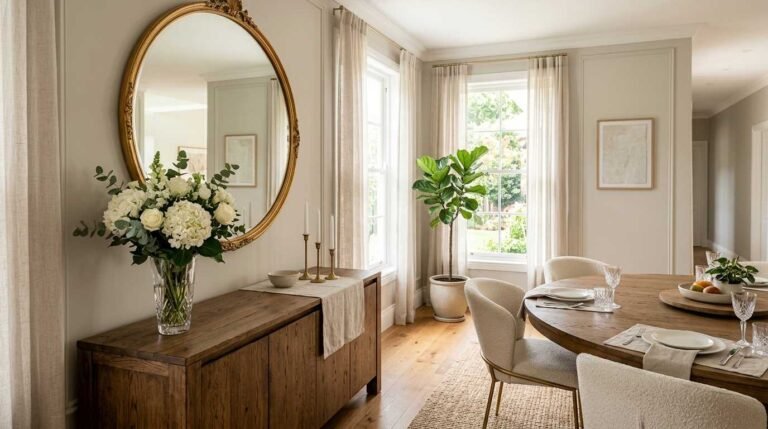
Mirrors are the closest thing to a magic trick in small apartments. Placed across from a window, a large mirror bounces daylight around the room and makes the dining corner feel wider and brighter. Pair it with a small gallery of framed prints beside it, and the wall gains personality without taking up any floor space. In my experience, an oversized mirror leaning against the wall looks relaxed and modern, and it avoids drilling holes. Choose a simple frame in wood or black metal so the reflection stays the star of the wall.
The best placement is opposite your main light source, so the mirror doubles that glow. I’ve noticed that mixing one mirror with two or three prints creates a layered, gallery-style look that feels intentional rather than cluttered. Keep art in a similar color palette so the wall feels cohesive. Hanging pieces slightly lower than usual, around eye level when seated, helps the dining area feel cozy. Adhesive strips and leaning frames make this idea completely renter-friendly, and you can rearrange the whole display whenever you fancy a fresh look.
7. Apartment Dining Room Rugs That Tie the Whole Look Together

- Defines the dining zone in open layouts
- Adds warmth and softness underfoot
- Introduces pattern without wall changes
- Absorbs noise from chairs and footsteps
- Pulls furniture and colors together
A rug does more than warm cold floors. In an open-plan apartment, it draws an invisible boundary around the dining area, so the table feels like its own room, while carefully chosen decorative cushions can add another layer of comfort and visual interest. Choose a rug large enough that all chair legs stay on it, even when pulled out, which usually means adding about two feet around the table on every side. In my experience, a low-pile or flat-weave style works best under chairs, since it slides easily and cleans up quickly. Neutral tones keep things calm, while a subtle pattern hides the occasional crumb.
I’ve noticed that rugs are also the easiest way to bring color into a rented space. A rust, sage, or soft blue rug can set the palette for the whole corner, and you can pick cushions or art to match. Rugs also soften the sound of scraping chairs, which neighbors below will appreciate. A non-slip pad underneath keeps everything safe and in place. When you move, the rug rolls up and comes with you, making it a smart investment for any renter.
8. Boho Dining Room Decor With Macramé, Rattan, and Natural Textures

- Layers warmth through natural materials
- Adds handmade character and softness
- Works well with mismatched pieces
- Easy to build gradually over time
- Suits renters who love a collected look
Boho style is all about warmth you can feel. Rattan chairs, a jute rug, and a macramé wall hanging bring in texture that makes a plain apartment corner feel welcoming right away. Nothing needs to match perfectly, which is a relief if you are collecting pieces slowly. In my experience, three natural materials are usually enough to create the look: woven, wooden, and soft fabric. Add a trailing plant on a shelf, and the whole space feels relaxed, layered, and a little bit free-spirited without requiring a single permanent change.
I’ve seen this style work beautifully in small rentals because it hides imperfections. Textured surfaces and warm tones make older floors and plain walls look intentional rather than dated. Keep a simple base, such as a wooden table, then let the textiles do the talking. Thrift stores and flea markets are great sources for baskets, trays, and woven lamp shades. Because boho welcomes variety, you can add one piece at a time and never feel like the room is unfinished. It grows with you and travels easily.
9. A Minimalist Dining Room Look That Feels Clean and Calm

- Reduces visual clutter in tight spaces
- Highlights a few well-chosen pieces
- Makes small rooms feel more open
- Keeps cleaning and styling simple
- Works with almost any color accent later
Minimalism is a gift in a small apartment. When a dining nook holds only a table, two chairs, and one thoughtful accent, the eye rests instead of wandering, and the room feels bigger than it is. Stick to a calm palette of white, beige, and soft wood tones so nothing competes for attention. In my experience, the hardest part is editing, not buying. Removing three extra items often improves a corner more than adding one new piece. Choose furniture with slim legs so you can see the floor beneath, which adds an airy feel.
I’ve noticed that minimal does not have to mean cold. A linen runner, a warm wooden bowl, or a single candle keeps the look inviting while staying uncluttered. Try the one-in, one-out rule: whenever something new arrives, something old leaves. Hidden storage, like a bench with a lift-up seat, keeps surfaces clear. This style also makes everyday cleaning quick, which matters when the dining table serves many purposes. A calm, clean corner is often exactly what a busy household needs most at the end of a long day.
10. Vintage Dining Room Decor That Adds Character and Charm

- Adds history and personality to plain rentals
- Makes the space feel collected over time
- Budget-friendly through thrift and flea finds
- Mixes well with modern basics
- Creates one-of-a-kind conversation pieces
Vintage pieces give a rental something new furniture rarely can: a story. An old wooden chair, a brass candlestick, or a framed botanical print from a flea market instantly adds character to a plain dining corner. In my experience, one or two well-chosen antiques do more for a room than a whole matching set. They also tend to be better built and more affordable than new equivalents. Pair them with simple modern basics, and the result feels curated rather than old-fashioned. Every piece becomes a conversation starter when guests ask where it came from.
I’ve noticed that vintage works best when you let a few items shine instead of filling every surface. A single antique mirror over the table or a set of mismatched china displayed on a shelf is often enough. Look for solid wood, which can be sanded or repainted if needed. Weekend markets, estate sales, and online listings are great hunting grounds. Because each piece is unique, no two vintage dining rooms look the same, and yours will feel truly personal without spending a fortune on new decor.
11. Japandi Dining Room Style the Perfect Mix of Japanese and Scandinavian Calm

- Blends warmth with quiet simplicity
- Uses natural wood and soft neutrals
- Encourages fewer, better-quality pieces
- Creates a peaceful, uncluttered mood
- Suits small apartments beautifully
Japandi brings together Japanese restraint and Scandinavian warmth, and it suits small apartments perfectly. The formula is simple: light wood, soft neutrals, clean lines, and a few carefully chosen objects. A low-profile table, simple wooden chairs, and one ceramic vase can be enough to make a corner feel peaceful. In my experience, the philosophy of choosing fewer, better things is what makes this style work. Every item has room to be noticed, which gives even a tiny dining nook a calm, almost gallery-like feeling that never looks empty or unfinished.
I’ve seen this style shine with natural textures like linen, paper lanterns, and handmade pottery. Muted earthy tones such as oatmeal, clay, and soft charcoal add depth without noise. Keep surfaces clear, and let negative space become part of the design. A single branch in a simple vase feels more Japandi than a full bouquet ever could. If you are unsure where to begin, start by swapping in a paper pendant shade and a plain wooden bench. The change is small, affordable, and remarkably soothing.
12. Eclectic Dining Room Ideas for the Free Spirited Decorator

What This Idea Adds:
- Blends warmth with quiet simplicity
- Uses natural wood and soft neutrals
- Encourages fewer, better-quality pieces
- Creates a peaceful, uncluttered mood
- Suits small apartments beautifully
Japandi brings together Japanese restraint and Scandinavian warmth, and it suits small apartments perfectly. The formula is simple: light wood, soft neutrals, clean lines, and a few carefully chosen objects. A low-profile table, simple wooden chairs, and one ceramic vase can be enough to make a corner feel peaceful. In my experience, the philosophy of choosing fewer, better things is what makes this style work. Every item has room to be noticed, which gives even a tiny dining nook a calm, almost gallery-like feeling that never looks empty or unfinished.
I’ve seen this style shine with natural textures like linen, paper lanterns, and handmade pottery. Muted earthy tones such as oatmeal, clay, and soft charcoal add depth without noise. Keep surfaces clear, and let negative space become part of the design. A single branch in a simple vase feels more Japandi than a full bouquet ever could. If you are unsure where to begin, start by swapping in a paper pendant shade and a plain wooden bench. The change is small, affordable, and remarkably soothing.
13. Romantic Dining Room Decor for Cozy Candlelit Dinners at Home

- Creates an intimate evening atmosphere
- Uses soft lighting and warm textures
- Elevates ordinary meals at home
- Requires only a few affordable items
- Works for date nights and quiet dinners
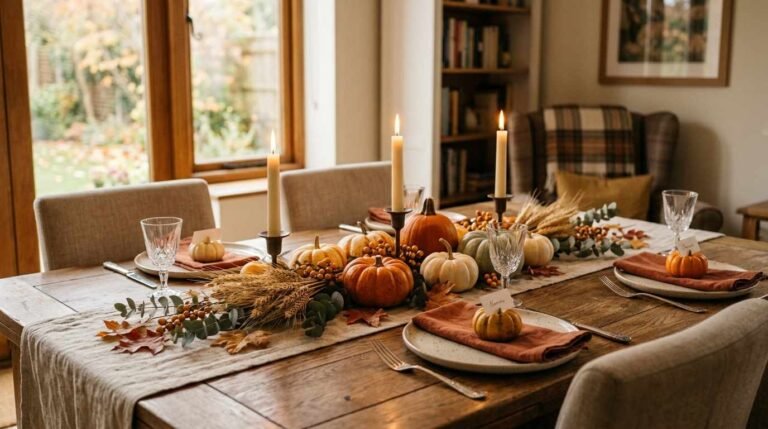
Candlelight can turn an ordinary apartment dinner into an occasion. A few taper candles in simple holders, a linen runner, and softly dimmed lights create warmth that no overhead fixture can match. In my experience, the difference is remarkable: the room feels smaller in the best possible way, cozy and private. Choose warm white bulbs and keep the table setting simple, with a small vase of flowers and cloth napkins. You do not need much, just a few thoughtful touches that say tonight matters, even when it is only a Tuesday.
I’ve seen romantic styling work best with layers of soft light. Combine candles on the table with a small lamp in a corner and turn off the harsh ceiling light. Deep tones like burgundy, blush, or dusty rose in napkins and flowers add a gentle touch of color. Battery-powered candles are a great choice for renters who want safety and convenience. Add soft music, and the corner becomes a little restaurant of your own, one that costs a fraction of dining out and feels far more personal.
14. Scandinavian Dining Room Decor That Feels Hygge and Wonderfully Cozy

- Combines light, airy colors with warm textures
- Makes small rooms feel bright and open
- Encourages cozy, relaxed gatherings
- Uses simple, functional furniture
- Works well with limited natural light
Scandinavian design is built for homes with long winters and little daylight, which makes it perfect for small apartments. White walls, light wood furniture, and soft textiles reflect every bit of available light while keeping the space warm. In my experience, adding one or two wool or sheepskin touches, like a cushion on a chair, turns a simple room into something genuinely hygge. The look relies on function and comfort rather than ornament, so every piece earns its place. A slim wooden table with simple chairs is often all you need to start.
I’ve noticed that lighting is where this style truly shines. Layer a paper pendant, a candle or two, and perhaps a small table lamp, so evenings feel glowing rather than harsh. Keep the palette soft with whites, creams, pale grays, and a hint of muted green or blue. A single plant adds life without clutter. This approach suits renters well, since most pieces are easy to move and pair with almost anything. The result is a bright, calm corner that invites people to linger over coffee.
15. Farmhouse Dining Room Decor That Feels Warm and Welcoming

- Adds rustic warmth with natural wood
- Creates a relaxed, family-friendly feel
- Works with simple, affordable pieces
- Mixes well with linen and ceramics
- Suits both small and larger apartments
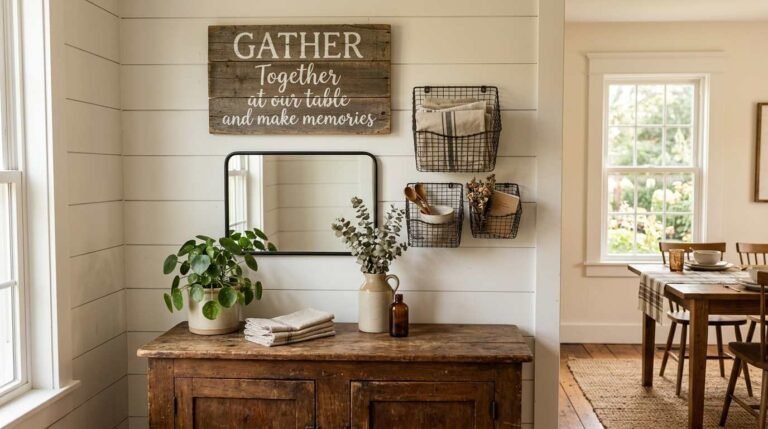
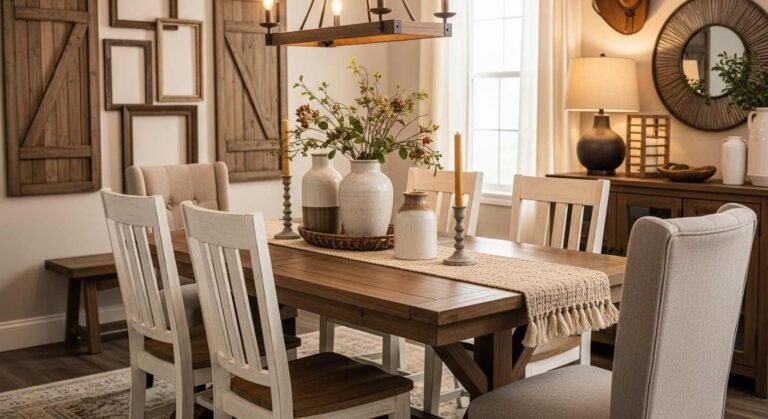
Farmhouse style brings comfort to even the smallest apartment. A wooden table with a slightly worn finish, simple woven chairs, and a linen runner create a look that feels lived-in and friendly. In my experience, the charm comes from imperfection, so scratches and knots are welcome. Add a ceramic pitcher with fresh greenery, and the corner feels like a country kitchen in the middle of the city. You do not need a large room, only warm materials and a relaxed attitude toward styling. Everything can be found secondhand for less.
I’ve seen this work well when it stays light and airy rather than heavy. Soft whites, warm woods, and touches of black metal keep the style fresh instead of dated. A bench on one side of the table saves space and seats more people, which suits family meals. Wall hooks with a basket or a small chalkboard add function and personality without drilling many holes. Farmhouse decor is forgiving and flexible, so you can add pieces gradually while your apartment quickly starts to feel like a real home.
16. Dark and Moody Dining Room Decor for a Dramatic, Luxurious Feel

- Creates deep, cocooning atmosphere
- Makes small rooms feel intimate and rich
- Highlights metallic and warm accents
- Works well with peel-and-stick wallpaper
- Adds instant drama to plain corners
Dark walls can make a small dining room feel like a hidden gem. Deep navy, forest green, or charcoal wraps the space in richness, and edges seem to disappear, which adds depth instead of shrinking the room. In my experience, the key is contrast: pair dark walls with brass accents, warm bulbs, and a few pale elements, so the space glows. A wooden table and velvet cushions add softness. If painting is not allowed, removable wallpaper in a moody shade gives the same dramatic effect and peels off cleanly when you leave.
I’ve noticed that lighting makes or breaks this look. Use warm bulbs, candles, and perhaps a wall sconce to create pools of light against the dark backdrop. A large mirror with a gold frame reflects that glow and prevents the space from feeling heavy. Keep the rest of the palette limited so the room feels sophisticated rather than busy. Try dark shades on just one wall first if you feel unsure. Even a single accent wall can create a luxurious mood that feels like a small boutique restaurant every evening.
17. Coastal Dining Room Decor That Brings the Beach Indoors

- Creates a light, breezy, relaxed mood
- Uses soft blues, whites, and sandy neutrals
- Works with natural textures like rattan and linen
- Brightens rooms with limited light
- Suits renters who want an easy refresh
Coastal decor feels like a vacation that never ends. Soft blues, crisp whites, and sandy neutrals make a small dining room feel airy and light, while natural materials like rattan, jute, and linen add texture. In my experience, you do not need seashells everywhere to capture the mood. A white table, a woven pendant, and a few blue cushions can be enough. Sheer white curtains let daylight pour in, and a bowl of lemons or a glass jar of shells adds a subtle, seaside touch without feeling like a theme.
I’ve noticed that coastal styling works best when kept relaxed and slightly weathered. Choose whitewashed wood, striped napkins, and a simple woven rug instead of anything too polished. Blue can be introduced in small doses through a vase, art print, or table runner, so it stays fresh rather than overwhelming. This idea suits apartments perfectly, since the light palette reflects daylight and makes rooms feel larger. Even far from the ocean, a coastal corner brings a calm, sunny feeling to your everyday meals and slow weekend breakfasts.
18. Industrial Dining Room Decor With an Edgy Urban Vibe

- Adds raw texture with metal and wood
- Creates a bold, city-loft character
- Requires very little extra decor
- Pairs well with exposed bulb lighting
- Suits modern and loft-style apartments
Industrial style borrows from lofts and warehouses, and it fits urban apartments beautifully. Black metal chair frames, a reclaimed wood table, and an exposed-bulb pendant create a look that feels bold without needing much decoration. In my experience, the materials do most of the work: metal, wood, and maybe a touch of concrete-look accessories. The palette stays simple with black, gray, and warm brown. If you have brick or a concrete ceiling already, you are ahead of the game, but plain walls work well too with the right furniture.
I’ve noticed that industrial style feels best when softened slightly. A wool throw on a chair, a cozy rug, or a plant in a matte black pot keeps the room from feeling cold. Choose warm-toned bulbs so metal surfaces glow rather than glare. Wall-mounted shelves with black brackets add storage and reinforce the theme. Since the look is pared back, it is also very low-maintenance. A few strong pieces will always look better than a crowded arrangement, and that suits small dining areas particularly well.
19. Colorful Dining Room Decor That Makes Every Meal Feel Like a Party

- Brings joyful energy to everyday meals
- Lets you experiment with bold color safely
- Works well through swappable accents
- Makes neutral rentals feel personal
- Great for playful, expressive homes
Color changes how a room feels the moment you walk in. A cheerful rug, bright napkins, and a bold piece of art can make a neutral apartment dining corner feel like the best table in town. In my experience, the easiest way to start is with removable elements like cushions, tableware, and prints, which you can swap without any commitment. Pick two or three favorite shades and repeat them around the room. Yellow, coral, and turquoise are lively choices, while softer pastels keep things gentle if you prefer a calmer kind of fun.
I’ve noticed that color works best when anchored by a neutral base. A white or wooden table lets colorful chairs, dishes, and flowers stand out without overwhelming the space. Mixing patterns is fine as long as they share one color. Painted chairs are an inexpensive way to add a punch, and they are easy to repaint later. Every meal becomes a little celebration when the room feels this happy. It is a simple, joyful way to make a rented space feel truly yours and full of life.
20. Plants in the Dining Room for a Fresh, Lush, Living Space

- Brings freshness and life to small rooms
- Softens hard lines and plain corners
- Works with hanging, shelf, or floor options
- Adds color without permanent changes
- Improves the everyday mood of the space
Plants make a dining room feel alive. A trailing pothos on a shelf, a tall snake plant in the corner, or a small pot of herbs on the table adds freshness and softens the hard edges of furniture. In my experience, even one healthy plant changes how a room feels, adding color and calm at once. Apartments benefit most because plants use vertical space, whether hung from a ceiling hook or placed on a shelf. Choose forgiving varieties if you are a beginner, such as pothos, snake plant, or ZZ plant, which tolerate low light.
I’ve noticed that grouping plants of different heights creates a layered, jungle-like look that feels intentional. Place taller plants in the corner and trailing ones on shelves, then add a small herb pot to the table. Matching pots in one color keep things tidy and cohesive. Herbs like basil and mint double as decor and cooking ingredients, which is a lovely bonus. Since plants move easily, they suit renters perfectly. A little greenery turns a plain dining corner into a fresh, welcoming space that you enjoy sitting in every day.
FAQs
1. How do I decorate a dining room in a small apartment?
Start with a compact table, a warm pendant light, and one or two wall elements like a mirror or open shelf. In my experience, choosing a few pieces that fit the space works better than filling every corner. Light colors and a defined rug also help the nook feel intentional.
2. What’s the best dining table for an apartment?
A round pedestal table or a drop-leaf table usually works best, since both save floor space and make movement easier. I’ve noticed that a table around thirty-six inches wide fits two people comfortably, and folding designs are ideal when the space serves multiple purposes.
3. How can I define a dining area in an open-concept apartment?
A rug and a pendant light are the simplest tools. The rug marks the floor boundary, while the pendant creates a visual ceiling boundary above the table. A statement wall or a low shelf behind the table can also separate dining from living space without any construction.
4. What decor style works best for small apartment dining rooms?
Minimalist, Scandinavian, and Japandi styles suit small spaces well because they rely on light colors, natural materials, and fewer pieces. That said, boho and vintage also work beautifully when you keep the palette simple and add pieces gradually.
5. How do I add storage to an apartment dining room without renovating?
Open floating shelves, a slim sideboard, or a bench with hidden storage all add function without construction. Renter-friendly brackets and tension-mounted units are easy to install and can move with you when the lease ends.
6. Can I make my apartment dining room feel cozy in a small footprint?
Absolutely. Warm bulbs, candles, a soft rug, and natural textures like linen or rattan create coziness quickly. I’ve seen this work well even in the tiniest corners, since lighting and texture matter more than square footage.
7. What are renter-friendly ways to decorate an apartment dining room?
Peel-and-stick wallpaper, plug-in pendants, leaning mirrors, adhesive strips, rugs, and plants are all easy to install and remove. These options let you personalize the space without risking your deposit, and most of them travel with you to your next home.
8. How do I make a small apartment dining room look bigger?
Mirrors placed opposite a window, light wall colors, slim-legged furniture, and glass or acrylic pieces all create the illusion of more space. Hanging shelves and lights also draw the eye upward, which makes the room feel taller.
9. What seating works best for apartment dining rooms?
Benches, stackable chairs, and slim chairs that tuck fully under the table save the most space. That’s why many designers recommend a bench on one side, since it seats more people and can double as hidden storage.
10. How do I personalize an apartment dining room on a budget?
Thrifted vintage finds, a simple centerpiece from items you already own, and framed prints add character without a big spend. I’ve noticed that building the look slowly, one meaningful piece at a time, makes the space feel more personal than buying a matching set.
Conclusion
A rented apartment doesn’t have to feel temporary, and these dining room decor apartment ideas prove it. From warm lighting and clever storage to cozy textures and bold color, small changes can transform how your dining corner feels every single day. I’ve seen how simple, renter-friendly updates bring real personality into spaces that once felt plain. Pick one idea to try this week, save this post to your Pinterest board for later, and share it with a friend who’s ready to make their own dining space feel like home.