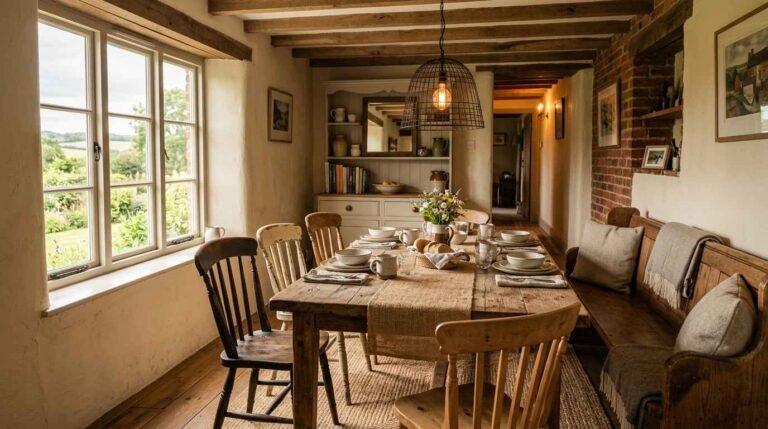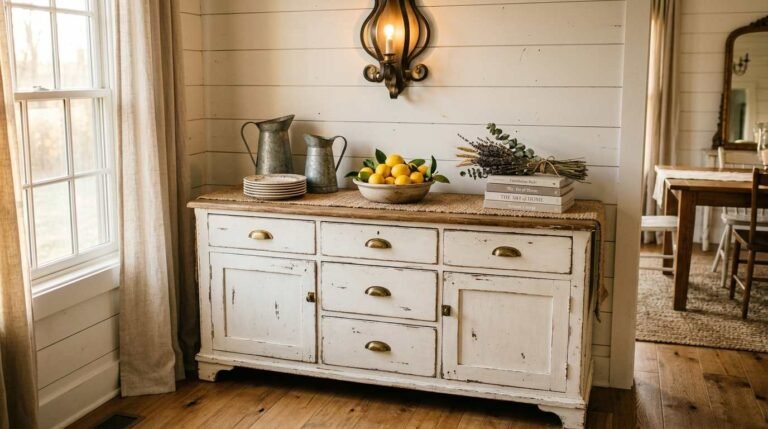
Dining room wall decor minimalist ideas can instantly make a dining space feel calmer, brighter, and more thoughtfully designed. If your walls feel empty, cluttered, or difficult to style, the right minimalist touches can completely change the atmosphere without overwhelming the room. This article explores simple wall art, neutral accents, mirrors, floating shelves, textured pieces, and other understated ideas that add personality while keeping the space clean and inviting. In my experience, minimalist dining rooms work best when every wall detail has a purpose and complements the furniture rather than competing with it. You’ll find practical inspiration to create a polished dining area that feels warm, balanced, and effortlessly modern.
1. Abstract Line Art Prints

- Adds visual interest without bold color
- Creates a clean, modern focal point
- Works well in thin, simple frames
- Introduces personality through subtle line work
- Suits nearly any minimalist color palette
Abstract line art prints offer one of the simplest ways to add personality to dining room wall decor minimalist spaces without introducing bold color or clutter. These prints, often featuring single continuous lines forming faces, bodies, or abstract shapes, add visual interest while staying true to a clean, uncluttered aesthetic. In my experience, choosing prints in thin black or white frames keeps the overall look feeling intentional and cohesive with the room’s minimal foundation.
The beauty of line art lies in its versatility across different minimalist styles, whether Scandinavian, Japandi, or modern. I’ve seen this work well on walls that felt too bare with nothing at all, since even one or two simple prints add just enough character without overwhelming the space. This idea suits homeowners wanting subtle personality that still respects a clean, restrained design approach throughout the dining room.
2. Floating Wooden Shelves

- Combines storage with clean, simple styling
- Draws the eye upward, adding height
- Works well with just a few curated items
- Creates a functional, uncluttered look
- Suits both small and large dining rooms
Floating wooden shelves offer a practical way to add both function and minimal style to dining room wall decor minimalist layouts. Unlike bulky cabinets, these simple shelves hold just a few carefully chosen items, ceramic pieces, a small plant, or a single vase, keeping the wall feeling open and uncluttered rather than visually heavy or overly styled throughout the entire dining space.
I’ve seen this work well in dining rooms wanting storage without sacrificing the clean, restrained aesthetic central to minimalist design. Choosing light wood keeps the shelves feeling airy rather than dominant. This idea works particularly well when styled with restraint, just two or three items per shelf, since minimalism relies on intentional choices rather than filling every available surface.
3. Gallery Wall in Neutral Tones

- Creates a curated, personal focal point
- Adds depth through coordinated neutral pieces
- Works well on larger, empty walls
- Allows gradual collection over time
- Reinforces the room’s minimalist theme
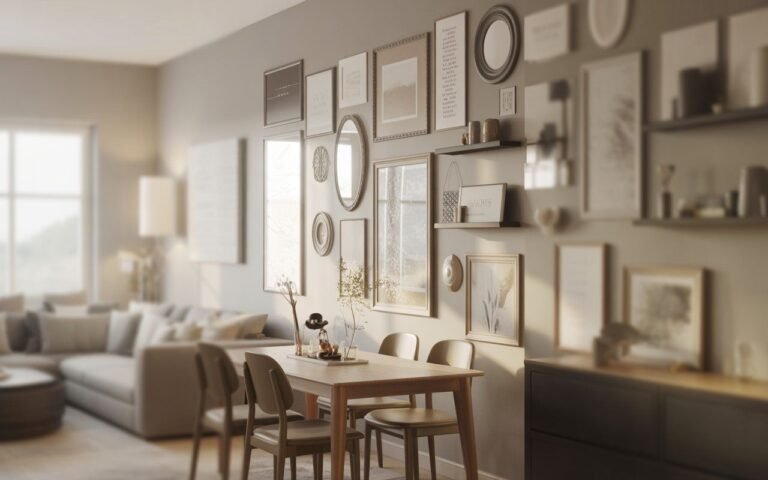
A gallery wall in neutral tones proves that even minimalist design can accommodate a collected, personal display, as long as the color palette stays cohesive. Combining several framed prints in soft creams, whites, and muted grays creates visual interest central to dining room wall decor minimalist spaces without introducing competing colors that might disrupt the room’s overall clean, restrained aesthetic throughout the space.
I’ve seen this work well on larger walls that felt too bare with just a single piece. Arranging pieces in a structured grid, rather than an eclectic scattered layout, keeps the display feeling intentional and minimalist rather than cluttered. This idea also allows for personal expression, since the specific prints chosen often reflect individual taste within a disciplined, cohesive color story.
4. Woven Macramé Hangings

- Adds texture without introducing bold color
- Creates a soft, handcrafted focal point
- Works well in cream or natural fiber tones
- Introduces warmth to minimal white walls
- Suits boho-minimalist and Scandinavian styles
Woven macramé hangings bring texture to dining room wall decor minimalist spaces without disrupting the room’s clean, uncluttered color palette. Crafted from natural cotton or jute in soft cream tones, these pieces add tactile interest and warmth that flat prints or paint alone can’t achieve, softening the starkness that sometimes comes with an overly simple, minimal wall treatment.
I’ve seen this work well in dining rooms wanting a touch of handcrafted warmth without straying from a restrained aesthetic. A single macramé piece, rather than multiple hangings, keeps the look feeling intentional and minimal. This idea suits boho-minimalist or Scandinavian-inspired homes particularly well, where natural texture plays a key role in softening otherwise sparse, simple spaces.
5. Simple Black-Frame Mirrors

- Adds light-reflecting visual interest
- Creates the illusion of more space
- Works well in thin black metal frames
- Introduces function alongside clean style
- Elevates walls without heavy decor
A simple black-framed mirror adds both function and clean, modern style central to dining room wall decor minimalist spaces. Reflecting light throughout the room, the mirror makes the dining area feel brighter and more open while the thin black frame introduces just enough contrast against white or neutral walls without disrupting the room’s overall restrained aesthetic.
I’ve noticed that mirrors are often overlooked when planning minimalist wall decor, yet they significantly impact how open and airy a space feels. A single black-framed mirror above a sideboard or dining table bounces available light effectively. This idea works particularly well paired with simple, geometric shapes, reinforcing the clean lines central to minimalist design throughout the dining space.
6. Botanical Leaf Prints

- Adds a fresh, natural touch to walls
- Creates a calming, organic focal point
- Works well in simple black or white frames
- Introduces subtle color without clutter
- Suits nearly any minimalist color scheme
Botanical leaf prints bring a fresh, natural quality to dining room wall decor minimalist spaces, adding subtle greenery-inspired color without introducing visual clutter. These simple illustrations, often featuring a single leaf or plant silhouette, complement the room’s clean aesthetic while referencing nature in a restrained, considered way that feels calming rather than overly decorative throughout the space.
I’ve seen this work well in dining rooms wanting a connection to nature without adding actual plants or bold greenery. Choosing prints in simple black-and-white or muted green tones keeps the look cohesive with minimalist principles. This idea suits homeowners who appreciate botanical themes but want their wall decor to stay understated and genuinely minimal.
7. Sculptural Wall Panels

- Adds dimension without bold color
- Creates a sophisticated, tactile backdrop
- Works well as geometric or organic shapes
- Elevates plain walls with architectural detail
- Suits modern and Japandi-inspired interiors
Sculptural wall panels, featuring subtle geometric or organic three-dimensional shapes, add dimension central to dining room wall decor minimalist spaces without requiring bold color or busy patterns. These panels create shadow and depth as natural light shifts throughout the day, adding visual interest through form rather than color, staying true to minimalist design principles throughout the entire dining space.
I’ve seen this work well in dining rooms where flat walls felt slightly unfinished despite nice furniture choices. The subtle texture adds architectural interest without disrupting the room’s clean, restrained aesthetic. This idea requires more investment than smaller decor changes, but the payoff is a genuinely elevated, sophisticated dining room wall that still respects minimalist principles.
8. Monochrome Typography Art

- Adds personality through simple wording
- Creates a clean, modern focal point
- Works well in black text on white background
- Introduces meaning without visual clutter
- Suits contemporary minimalist interiors
Monochrome typography art, featuring simple black text on a white background, adds personality to dining room wall decor minimalist spaces without introducing color or complex imagery. A single meaningful word or short phrase creates a clean, modern focal point that feels intentional and considered, staying true to the restrained, uncluttered aesthetic central to minimalist design throughout the dining area.
I’ve noticed that typography art works best when kept simple, one word or a short phrase rather than lengthy text that competes for attention. Choosing a clean, sans-serif font reinforces the room’s modern, minimal character. This idea suits homeowners wanting to add subtle personal meaning to their dining room without sacrificing the room’s overall simplicity.
9. Ceramic Wall Plates

- Adds subtle texture and dimension
- Creates a curated, considered display
- Works well in matching neutral tones
- Introduces personality without bold pattern
- Elevates walls with minimal effort
Ceramic wall plates in matching neutral tones add subtle texture and dimension to dining room wall decor minimalist spaces without introducing busy patterns or bold color. Arranged in a simple cluster or single row, these plates create a curated, considered display that feels intentional rather than cluttered, staying true to minimalist principles while still adding genuine visual interest.
I’ve seen this work well in dining rooms wanting a touch of personality without straying into maximalist territory. Choosing plates in the same neutral color family, whether cream, white, or soft gray, keeps the display cohesive. This idea suits homeowners who appreciate collected, curated displays but want their wall decor to remain genuinely restrained and simple.
10. Oversized Single Canvas

- Creates a bold, singular focal point
- Adds impact without cluttering the wall
- Works well on larger, empty walls
- Elevates the room with minimal effort
- Suits contemporary minimalist interiors
An oversized single canvas makes a strong visual statement within dining room wall decor minimalist spaces, filling significant wall space with just one piece rather than multiple smaller frames. This approach embodies minimalist principles perfectly, since one large, impactful piece often achieves more visual interest than several competing smaller pieces scattered throughout the same wall area.
I’ve seen this work well in dining rooms with tall or wide walls that felt bare with smaller art. Choosing a canvas with simple, abstract imagery in neutral tones keeps the piece feeling cohesive with minimalist design. This idea suits homeowners wanting a genuine statement piece without disrupting the room’s overall clean, uncluttered aesthetic.
11. Arch-Shaped Wall Niches

- Adds architectural elegance through shape
- Creates a unique, sculptural focal point
- Works well as a painted or built-in feature
- Introduces softness through curved lines
- Elevates the room’s overall character
Arch-shaped wall niches introduce elegant, curved architectural detail central to dining room wall decor minimalist spaces, softening the typically sharp, angular lines found throughout most minimalist interiors. This feature adds sculptural interest that flat, rectangular wall treatments often lack, creating a unique focal point that draws the eye without requiring bold color or busy pattern.
I’ve seen this work well in dining rooms wanting a distinctive architectural element without a full renovation. A painted arch design or a built-in niche for displaying a single vase both achieve this softening effect. This idea requires varying levels of investment depending on the approach chosen, but consistently delivers a genuinely elevated, memorable result within a minimalist framework.
12. Wabi-Sabi Textured Plaster

- Adds organic texture without bold color
- Creates a calming, tactile backdrop
- Works well as a full wall or accent treatment
- Elevates plain walls with subtle imperfection
- Suits Japandi and wabi-sabi inspired interiors
Wabi-sabi textured plaster, featuring subtle imperfections and organic texture, adds depth central to dining room wall decor minimalist spaces while embracing the beauty of natural, imperfect surfaces. This treatment creates a tactile, calming backdrop that enhances the room’s overall character, whether applied as a full wall treatment or a smaller accent area behind the dining table.
I’ve seen this work well in dining rooms wanting texture without bold color or busy patterns. The subtle plaster finish adds shadow and depth that changes throughout the day as natural light shifts across the surface. This idea requires more investment than smaller decor changes, but the payoff is a genuinely elevated, wabi-sabi inspired dining room wall.
13. Rattan Wall Baskets

- Adds natural texture without bold color
- Creates a handcrafted, artisanal feel
- Works well arranged in varying sizes
- Introduces warmth to minimal white walls
- Suits boho-minimalist and natural home styles
Rattan wall baskets bring natural texture to dining room wall decor minimalist spaces without introducing bold color or busy patterns. Arranged in a cluster of varying sizes, these woven pieces add handcrafted warmth that flat prints or paint alone can’t achieve, softening the starkness that sometimes comes with an overly simple, restrained wall treatment throughout the dining room.
I’ve seen this work well in dining rooms wanting a touch of organic warmth without straying from a clean, minimal aesthetic. Choosing baskets in natural, unstained rattan keeps the look cohesive with the room’s neutral palette. This idea suits boho-minimalist or Scandinavian-inspired homes particularly well, where natural texture plays a key role in softening sparse spaces.
14. Minimalist Landscape Photography

- Adds a calming, natural focal point
- Creates visual interest through simple imagery
- Works well in black and white or muted tones
- Introduces subtle depth without clutter
- Suits contemporary minimalist interiors
Minimalist landscape photography, featuring simple, uncluttered natural scenes in black and white or muted tones, adds a calming focal point to dining room wall decor minimalist spaces. These images, often capturing wide open spaces or simple horizons, complement the room’s clean aesthetic while introducing subtle depth and visual interest without competing colors or busy compositions.
I’ve seen this work well in dining rooms wanting a connection to nature without bold botanical prints or busy imagery. Choosing photography with simple, uncluttered compositions keeps the piece feeling cohesive with minimalist principles. This idea suits homeowners who appreciate photography and want their wall decor to feel genuinely calming and restrained.
15. Sleek Floating Ledge Display

- Combines display flexibility with clean style
- Draws the eye across the wall horizontally
- Works well for rotating art and photos
- Creates a curated, minimal appearance
- Suits both small and large dining rooms
A sleek floating ledge, mounted horizontally along the wall, offers flexible display space central to dining room wall decor minimalist layouts. Unlike fixed frames, a ledge allows art to be leaned and rearranged easily, creating a curated, ever-changing display that feels personal and adaptable without requiring new holes for each rearrangement throughout the dining space.
I’ve seen this work well in dining rooms where the homeowner enjoyed regularly updating their wall display without commitment to a fixed arrangement. Leaning just one or two pieces along the ledge, rather than several, keeps the look feeling genuinely minimal. This idea is particularly rewarding for those who collect art gradually and want flexibility.
16. Neutral Geometric Prints

- Adds visual interest through simple shapes
- Creates a modern, structured focal point
- Works well in neutral or muted color tones
- Introduces personality without bold pattern
- Suits contemporary minimalist interiors
Neutral geometric prints, featuring simple shapes like circles, lines, or triangles in muted tones, add structured visual interest to dining room wall decor minimalist spaces without introducing bold color or complex imagery. These prints create a modern, considered focal point that feels intentional, staying true to the clean, restrained aesthetic central to minimalist design throughout the dining area.
I’ve seen this work well in dining rooms wanting subtle personality without straying into busy or colorful territory. Choosing prints in soft grays, creams, or muted blues keeps the look cohesive with the room’s neutral palette. This idea suits homeowners wanting a genuinely modern, minimal wall treatment that still feels visually engaging.
17. Dried Floral Wall Arrangement.

- Adds natural texture without bold color
- Creates a soft, organic focal point
- Works well in simple hanging or framed displays
- Introduces subtle warmth to minimal walls
- Suits Scandinavian and Japandi-inspired interiors
Dried floral wall arrangements bring soft, natural texture to round-table dining room decor ideas and minimalist spaces without introducing bold color or requiring the ongoing maintenance of fresh flowers. A simple bundle of dried grasses or pampas grass hung on the wall adds organic warmth that flat prints alone cannot achieve, helping soften the starkness of minimal white walls while creating an elegant, inviting dining area.
I’ve seen this work well in dining rooms wanting a touch of nature without disrupting the room’s clean, restrained aesthetic. Choosing dried florals in muted, neutral tones keeps the arrangement cohesive with minimalist principles. This idea suits Scandinavian and Japandi-inspired homes particularly well, where natural elements play a key role in softening simple spaces.
18. Scandinavian Tapestry

- Adds texture through simple woven pattern
- Creates a soft, layered focal point
- Works well in neutral or muted tones
- Introduces warmth without visual clutter
- Suits Scandinavian and minimalist interiors
A Scandinavian tapestry, featuring simple woven patterns in neutral or muted tones, adds soft texture to dining room wall decor minimalist spaces without introducing bold color or busy imagery. This fabric-based wall art introduces warmth and pattern in a restrained, considered way, working particularly well in dining rooms wanting a genuinely cozy yet minimal aesthetic throughout the space.
I’ve seen this work particularly well in dining rooms seeking texture and warmth beyond typical framed prints. The woven texture catches light differently throughout the day, adding subtle movement and visual interest to the wall. This idea works beautifully for homeowners who appreciate textiles and want their dining room walls to feel genuinely layered while still respecting minimalist principles. It also complements contemporary home decor, adding an organic, refined touch without overwhelming the overall design.
19. Stone or Tile Accent Panel

- Adds architectural texture and permanence
- Creates a sophisticated, tactile focal point
- Works well behind sideboards or dining tables
- Introduces natural material variation
- Elevates the room’s overall character
A stone or tile accent panel introduces architectural texture central to dining room wall decor minimalist spaces, adding visual weight and permanence that flat paint simply can’t achieve. Positioned behind the dining table or a sideboard, this feature creates a sophisticated, tactile focal point while staying true to minimalist principles through its neutral, uncomplicated material palette.
I’ve seen this work well in dining rooms wanting a genuinely elevated architectural element without bold color or busy patterns. Choosing stone or tile in neutral tones, like soft gray or cream, keeps the feature cohesive with minimalist design. This idea requires more significant investment but delivers a genuinely transformative, sophisticated result.
20. Black-and-White Photography

- Adds timeless, classic visual interest
- Creates a clean, sophisticated focal point
- Works well in simple black frames
- Introduces personality without color
- Suits contemporary minimalist interiors
Black-and-white photography adds timeless, classic visual interest to dining room wall decor minimalist spaces without introducing any color to disrupt the room’s restrained palette. Whether featuring portraits, architecture, or simple still-life imagery, these photographs create a sophisticated focal point that feels intentional and considered, staying true to minimalist design principles throughout the entire dining space.
I’ve seen this work well in dining rooms wanting personality and visual interest without any color competing with the room’s neutral foundation. Choosing photography with simple, uncluttered compositions keeps the pieces feeling cohesive with minimalist principles. This idea suits homeowners who appreciate photography and want their wall decor to feel genuinely timeless and restrained.
21. Negative Space Word Art

- Adds subtle meaning through clever design
- Creates a modern, thoughtful focal point
- Works well in simple black and white
- Introduces personality without visual clutter
- Suits contemporary minimalist interiors
Negative space word art, where a hidden word or phrase emerges from simple imagery, adds a clever, thoughtful touch to dining room wall decor minimalist spaces. This design technique creates visual interest through subtlety rather than boldness, staying true to minimalist principles while still offering genuine personality and meaning within the dining room’s clean, restrained aesthetic.
I’ve seen this work well in dining rooms wanting a conversation-starting piece that still respects minimalist design. Choosing a single, well-designed print rather than multiple busy pieces keeps the look feeling genuinely minimal. This idea suits homeowners who appreciate clever, understated design choices that reward closer inspection without cluttering the wall.
22. Terracotta Wall Hangings

- Adds warm, earthy texture to walls
- Creates a grounded, organic focal point
- Works well in simple sculptural shapes
- Introduces subtle color without clutter
- Suits Japandi and earthy minimalist interiors
Terracotta wall hangings, featuring simple sculptural shapes in warm, earthy tones, add grounded texture to dining room wall decor minimalist spaces. These pieces introduce subtle color and organic warmth without disrupting the room’s overall clean, restrained aesthetic, working particularly well in dining rooms wanting an earthy, grounded feel alongside their minimalist foundation.
I’ve seen this work well in dining rooms wanting warmth without bold color or busy patterns. Choosing terracotta pieces with simple, sculptural forms keeps the look cohesive with minimalist principles. This idea suits Japandi and earthy-minimalist homes particularly well, where warm, natural materials play a key role in softening otherwise sparse spaces.
23. Framed Pressed Botanicals

- Adds delicate, natural texture to walls
- Creates a soft, organic focal point
- Works well in simple, thin frames
- Introduces subtle color without clutter
- Suits Scandinavian and Japandi interiors
Framed pressed botanicals, featuring delicate dried leaves or flowers preserved behind glass, add soft, natural texture to dining room wall decor minimalist spaces. These pieces introduce subtle color and organic detail without disrupting the room’s overall clean aesthetic, working particularly well in simple, thin frames that keep the display feeling genuinely restrained and considered.
I’ve seen this work well in dining rooms wanting a delicate connection to nature without bold botanical prints or fresh flowers requiring maintenance. Choosing pressed botanicals in muted, neutral tones keeps the display cohesive with minimalist principles. This idea suits Scandinavian and Japandi-inspired homes particularly well, where subtlety and natural materials matter most.
24. Subtle Mural or Wall Stencil

- Combines multiple wall decor elements cohesively
- Creates a fully realized, immersive minimalist style
- Works well as a subtle, understated feature
- Reinforces every previous design choice
- Delivers a genuinely complete, styled space
A subtle mural or wall stencil, featuring simple, understated patterns in neutral tones, brings together the strongest principles discussed throughout this guide, restraint, texture, and considered simplicity, into one cohesive dining room wall decor minimalist feature. This final idea represents the culmination of smaller, individual changes into one genuinely complete, immersive wall treatment.
In my experience, the most successful minimalist dining rooms rarely rely on just one standout piece, instead layering a few complementary elements thoughtfully over time. Reviewing the wall as a whole, rather than focusing on individual pieces alone, often reveals small adjustments that tie everything together more cohesively. This idea serves as a helpful final checkpoint for genuinely balanced minimalist styling.
FAQs
1. What is minimalist dining room wall decor?
Minimalist dining room wall decor focuses on simple, intentional pieces that create visual interest without making the space feel crowded. Popular choices include neutral artwork, mirrors, floating shelves, subtle wall panels, and natural textures. The goal is to maintain a clean, balanced appearance while adding warmth and personality to the dining area.
2. How can I decorate a small dining room wall in a minimalist way?
Choose one or two impactful pieces instead of filling the entire wall. A large mirror, simple framed artwork, narrow floating shelf, or vertical wall accent can make a small dining area feel more spacious. Keeping the colors light and coordinated also helps reduce visual clutter.
3. Which colors work best for minimalist dining room decor?
Neutral shades such as white, cream, beige, soft gray, taupe, and warm wood tones work especially well. You can also introduce muted green, black, or earthy accents for subtle contrast. Keeping the overall palette limited creates a cohesive and calming appearance.
4. Can I use gallery walls in minimalist design?
Yes, a gallery wall can work in a minimalist dining room when it is carefully arranged. Use a limited color palette, consistent frames, and generous spacing between artwork. Choosing a small collection of related prints rather than many unrelated pieces keeps the display organized and sophisticated.
5. What type of wall art suits a minimalist dining room?
Abstract line drawings, botanical prints, neutral landscapes, geometric artwork, and simple photography are excellent options. Choose artwork with restrained colors and uncomplicated designs that complement the dining furniture rather than competing with it.
6. Are wall shelves good for minimalist dining decor?
Yes. Floating shelves can provide both decorative and practical value without taking up floor space. Style them with a few carefully selected items such as ceramic vases, small plants, framed artwork, or books. Avoid overcrowding the shelves to maintain the minimalist look.
7. How do I make my dining room look modern and minimalist?
Start by reducing unnecessary decorations and choosing furniture with clean lines. Pair neutral colors with natural materials, simple lighting, and understated wall art. A large mirror or one oversized artwork can create a polished focal point without adding excessive visual clutter.
8. Is DIY wall decor suitable for a minimalist dining room?
Absolutely. Simple DIY artwork, handmade ceramic pieces, textured wall panels, or basic wooden displays can add character while maintaining a clean aesthetic. Choose materials and colors that coordinate with the existing dining room instead of introducing too many different styles.
9. Can plants be part of minimalist wall decor?
Yes. A single hanging plant, small wall-mounted planter, or simple botanical arrangement can introduce natural texture and freshness. Greenery works particularly well against white, cream, beige, and warm neutral walls while keeping the overall design understated.
10. How do I keep my dining room wall decor clutter-free?
Focus on quality rather than quantity and give each decorative piece enough breathing room. Before adding something new, consider whether it serves a visual or functional purpose. Regularly removing items that no longer complement the room can help maintain a clean, intentional appearance.
Conclusion
Creating a beautiful dining space doesn’t require filling every wall with decorations. The best dining room wall decor minimalist ideas focus on balance, texture, proportion, and carefully chosen pieces that make the room feel intentional without becoming visually busy. Whether you prefer simple artwork, a statement mirror, natural textures, or subtle shelving, even one thoughtful change can refresh the entire atmosphere. I’ve seen how small updates can make a dining room feel more welcoming and complete. Save this post on Pinterest for your next decorating project, try your favorite idea at home, and share it with someone looking for fresh inspiration.