A tiny garden with a beautiful pond is worth a thousand large gardens without one and that is the simple truth most people discover the moment they add their first water feature to an outdoor space.
Even the smallest backyard, patio, or courtyard can hold a gorgeous, thriving garden pond that brings the calming sound of water, the beauty of aquatic plants, and the shimmer of pond fish into your everyday life. These pond ideas for small garden spaces cover every style, every budget, and every skill level so keep reading and get ready to fall completely in love.
1. Container Pond Using a Ceramic Pot
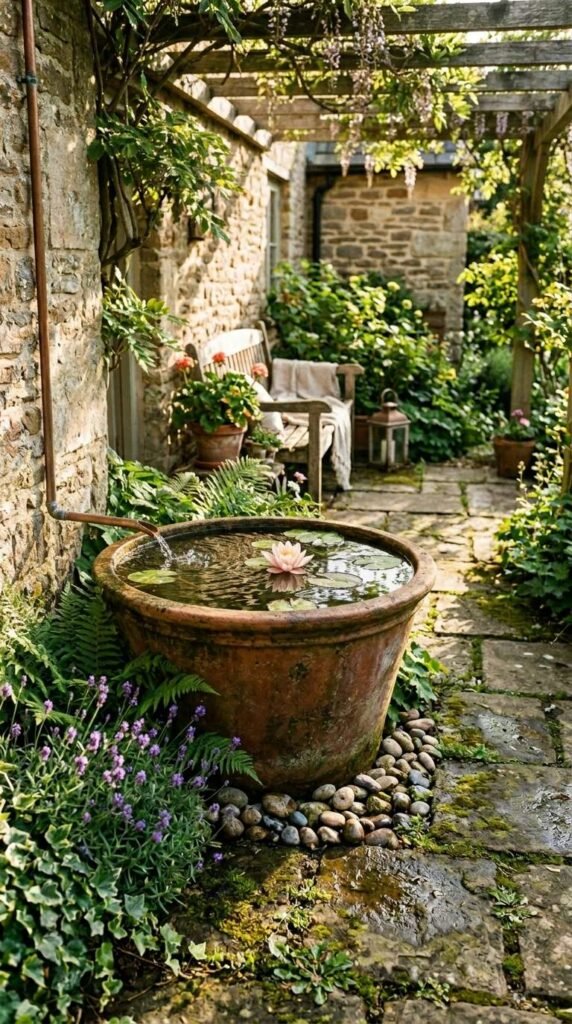
A container pond built inside a large sealed ceramic or terracotta pot is one of the most accessible and rewarding small garden water feature ideas you can try because it requires zero digging, no specialist tools, and almost no budget yet the finished result looks genuinely stunning and completely Pinterest-worthy from every angle.
The reason this idea works so beautifully is that a properly sealed ceramic pot holds water naturally without any additional pond liner, and its warm earthy texture blends into almost every garden style from rustic cottage gardens all the way through to clean modern patio spaces without looking out of place for even a single second.
To get the best results from your container pond, always choose a pot that is at least 18 inches wide so there is enough open water surface for a miniature water lily or a cluster of floating pond plants to spread out and look genuinely lush rather than cramped and sad.
Position the pot slightly off-center in your chosen garden corner, surround the base with smooth river pebbles or living moss, and drop a small solar-powered submersible pump inside to keep the water moving gently this one addition prevents stagnation, introduces the relaxing sound of trickling water, and keeps the entire feature looking fresh, clear, and alive right through every season of the year.
2. Half Barrel Pond for Patios
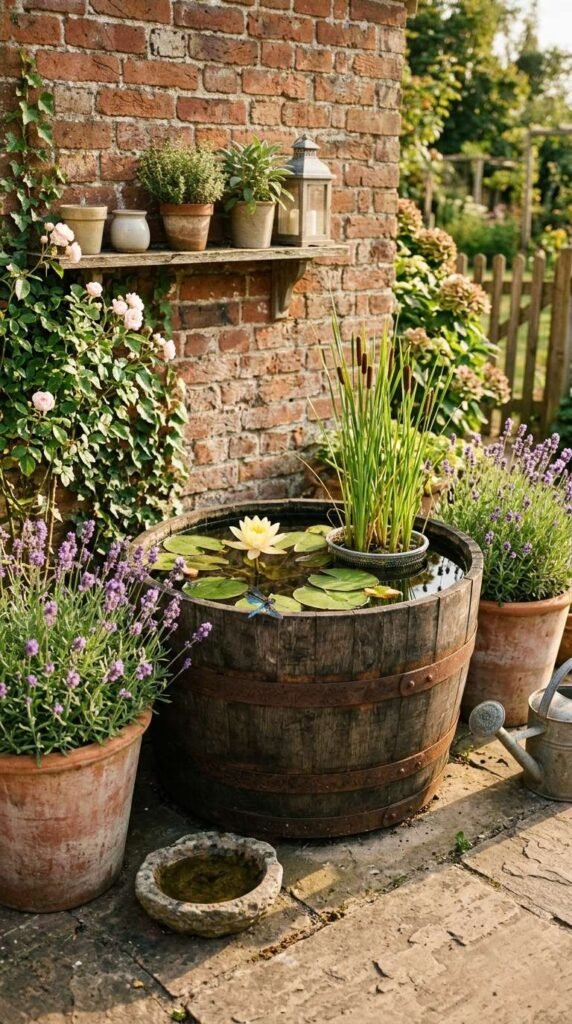
A half barrel pond made from a genuine oak whiskey barrel is one of the most characterful and practical patio water garden ideas available because the aged wood texture, deep rich color, and original iron hoops add instant rustic charm to any outdoor space while the generous depth usually around 18 inches is more than sufficient to support pond plants, small goldfish, and a compact solar fountain pump all living comfortably together in the same container.
The completely self-contained nature of a barrel pond means it can be placed anywhere on a patio, balcony, or terrace with zero groundwork, zero planning permission, and zero permanent commitment to a fixed location.
Always line the inside of a real wooden barrel with a purpose-made barrel pond liner before filling with water, because untreated wood will slowly leach tannins into the water that turn it an unpleasant brown color and can damage aquatic plants over time a fitted rubber liner solves this problem completely and takes under 30 minutes to install.
Plant no more than one miniature water lily and one or two marginal pond plants like dwarf cattail or water iris inside a barrel of this size, because overcrowding reduces oxygen levels and causes green water far more quickly than a thoughtfully balanced, lightly planted barrel pond that has enough open water surface area to breathe properly and stay naturally clear.
3. Vertical Wall Water Feature for Narrow Gardens
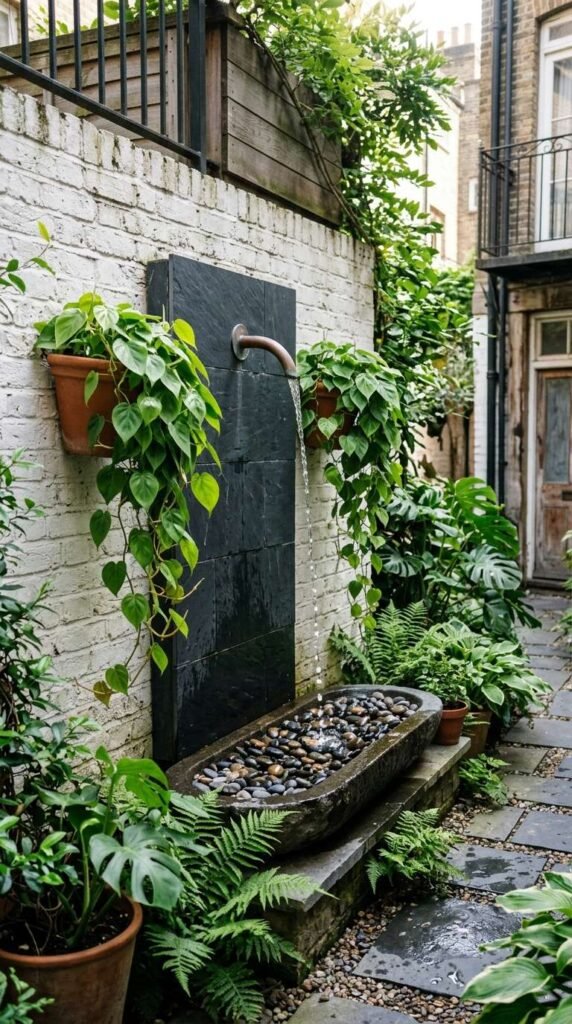
A wall-mounted water feature is the single most space-efficient solution for gardeners who want the beauty and calming sound of flowing water but genuinely cannot sacrifice any precious horizontal ground space, because the entire feature lives vertically on a fence or garden wall and leaves every square inch of your garden floor completely free for planting, seating, or pathways.
This idea works especially powerfully in narrow urban gardens, enclosed courtyards, and small side passage gardens where a traditional pond footprint would feel immediately overwhelming, and the sound of water trickling down a copper or stone face adds an instant layer of luxury and calm that completely transforms the atmosphere of the whole space.
When choosing materials for your vertical water feature, a copper spout develops a gorgeous natural green patina over time that suits cottage, boho, and rustic garden styles beautifully, while a brushed stainless steel spout stays sharp and contemporary for modern or minimalist outdoor spaces that demand clean lines.
Always position the collection basin at knee to waist height so it is easy to top up during dry spells, and fill the basin with dark slate pebbles rather than light gravel because dark stones make the water appear far deeper, richer, and more dramatic in photographs and in person which matters enormously when you are creating a garden feature designed to stop people in their tracks.
4. Raised Stone Pond Bed With Natural Edging
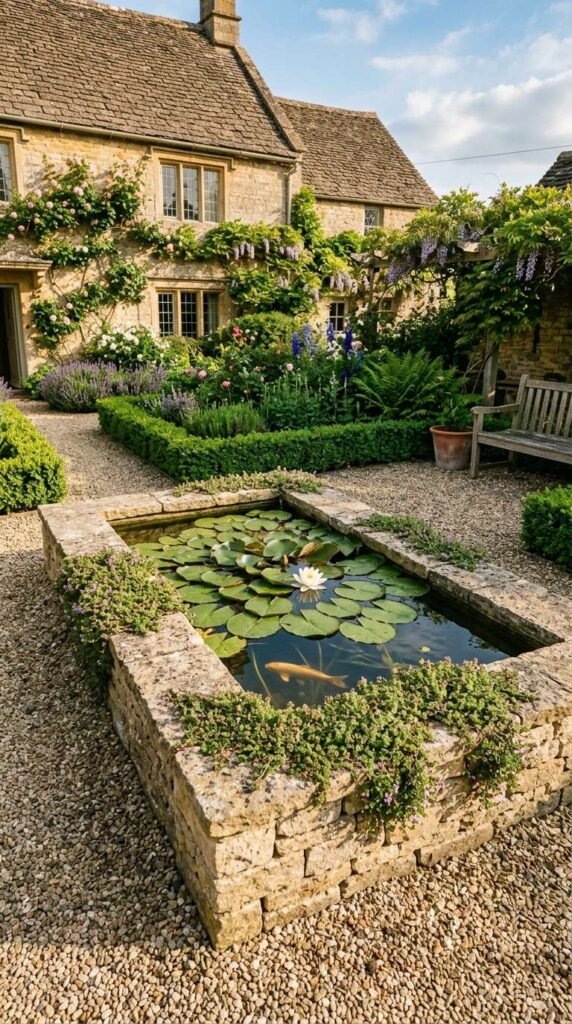
A raised garden pond built from natural stone, reclaimed brick, or timber railway sleepers solves one of the most frustrating small garden problems poor or waterlogged soil while simultaneously creating a genuinely beautiful focal point that looks like it has belonged in the space for decades, because the raised structure gives the water garden a sense of permanence and craftsmanship that an in-ground pond at the same scale simply cannot match.
The added height of a raised pond also means you can sit comfortably on the wide stone coping edge to watch your pond fish and aquatic plants up close, turning a purely visual feature into a functional, relaxing seating element that earns its place in the garden twice over.
Aim for a raised pond depth of at least 18 to 24 inches if you plan to keep koi fish or goldfish through the winter months, as shallow water heats up dangerously fast in summer and freezes completely in hard frosts both of which cause serious stress or death to pond fish that have no deeper water to retreat into when conditions become extreme.
Use natural stone coping along the top edge rather than poured concrete wherever possible, because rough-cut stone looks infinitely more organic and aged, it provides a safe grip when leaning over to feed fish or clear pond weed, and its irregular texture gives beneficial insects and garden wildlife a natural way to access the water which is especially important if you want your raised pond to support a genuinely healthy garden ecosystem year-round.
5. Japanese Zen Tsukubai Basin Pond
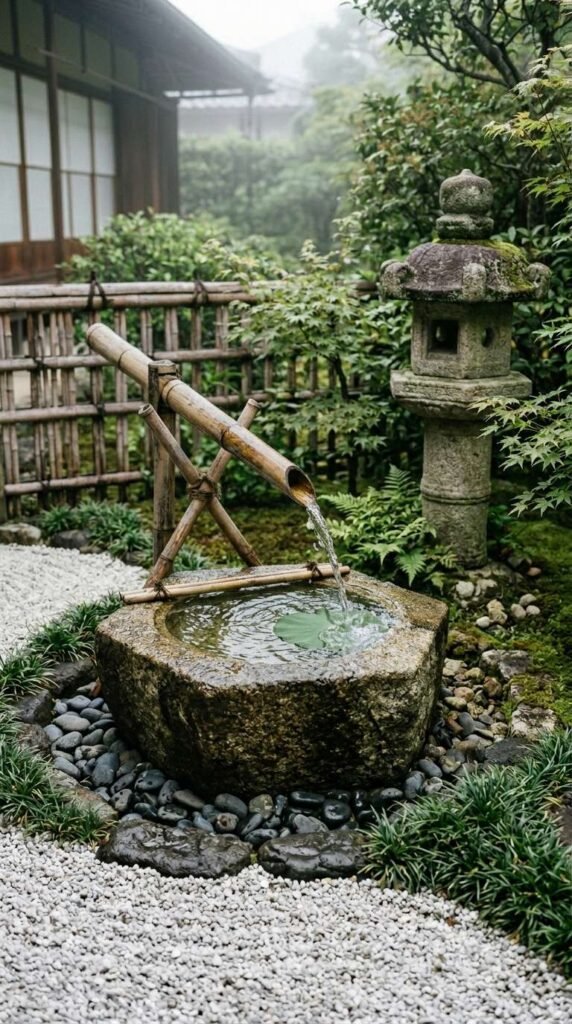
A Japanese zen pond built around a traditional tsukubai granite basin brings a quality of intentional peace to a small garden that genuinely no other style can replicate, because every single element the stone, the water, the bamboo, the carefully raked gravel works together to create a space that feels purposefully calm rather than accidentally pretty, and that deliberate quality is exactly what makes Japanese garden design so deeply satisfying to live with every single day.
This style is also remarkably well-suited to tiny outdoor spaces because the entire philosophy of Japanese zen gardening celebrates restraint, simplicity, and negative space meaning you need very few elements to create something that feels genuinely complete, perfectly balanced, and quietly breathtaking.
Place your zen water feature in the quietest, most sheltered corner of your garden and keep the surrounding planting extremely restrained mondo grass, cushion moss, a single clump of black bamboo, and one carefully positioned Japanese maple are genuinely all you need to frame the basin beautifully without crowding the space or competing visually with the water.
Rake the surrounding gravel in soft curved lines that echo the natural ripple patterns of still water disturbed by a single raindrop, choose only matte, earthy-toned materials for any nearby pots or ornaments, and resist every urge to add colorful flowers — the entire beauty of a Japanese zen water garden comes from texture, shape, shadow, and the quiet rhythmic movement of water rather than from anything that shouts for attention.
6. Wildlife Pond for Cottage Gardens
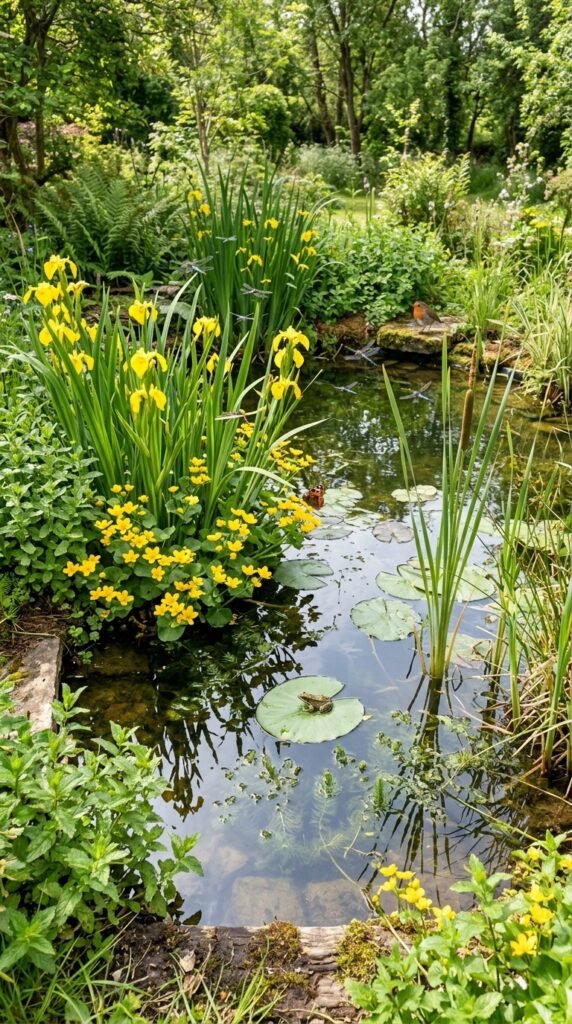
A wildlife pond is without question the single most ecologically valuable addition you can make to any small cottage garden, because even a pond no larger than a kitchen sink can support frogs, newts, water beetles, dragonflies, and dozens of other species within a single season of being filled with water and watching that living ecosystem establish itself completely on its own, with no stocking and no intervention from you, is one of the most genuinely thrilling gardening experiences that any outdoor space can offer.
The real reason this idea works so perfectly in small gardens is that wildlife ponds deliberately avoid formal edging, expensive equipment, and complicated filtration systems, which means the entire project can realistically be completed over one weekend with very modest cost and very basic tools.
6. (1)Best Native Plants for a Wildlife Pond
Choosing the right plants around your wildlife pond is the single decision that determines whether the feature thrives independently for years or needs constant intervention to stay healthy.
Native species like yellow flag iris, marsh marigold, water mint, hornwort, and native bulrush are always the strongest choices because they are naturally adapted to local conditions, they spread organically to cover the margins, and they provide the widest possible range of food, shelter, and breeding habitat for native garden wildlife without ever becoming invasive or difficult to manage.
Always include at least one very shallow area no more than 2 to 3 inches deep along one edge of your wildlife pond so that small birds can bathe safely, hedgehogs can drink without falling in, and spring frog tadpoles can warm up in the shallows on sunny days.
Lay a rough log or a flat stone at the waterline to give frogs, toads, and newts an easy exit route after swimming, and never introduce pond fish into a wildlife pond under any circumstances fish eat tadpoles and aquatic insect larvae, which completely destroys the entire ecological purpose of creating a natural garden habitat in the first place.
7. Solar-Powered Fountain Pond
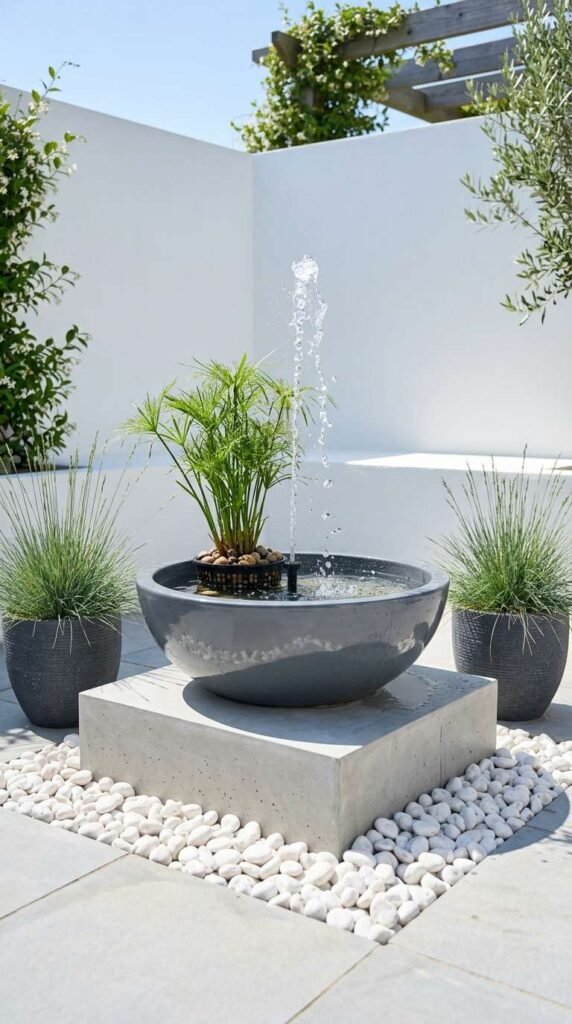
A solar-powered fountain pond is the perfect solution for any gardener who wants the beauty and movement of flowing water without the hassle of routing an electrical cable across the garden, because modern solar pond pumps are now powerful enough to run a genuinely impressive fountain display all day long in any garden that receives at least four to five hours of direct sunlight and the running cost after installation is completely and permanently zero.
This idea performs especially brilliantly in modern urban gardens and patio spaces where clean lines, minimal maintenance, and genuinely smart design choices matter most, and there is something deeply satisfying about watching a beautiful water feature run silently all day on nothing but free sunshine.
Choose a solar fountain pump with an integrated battery reserve pack so the fountain continues running for one to two hours after sunset, giving you beautiful moving water during the early evening hours when you are most likely to actually be sitting outside enjoying your garden space.
Position the solar panel in the single sunniest available spot and run the slim connecting cable discreetly along the pond edge or beneath a shallow layer of pebbles most quality modern kits include cables long enough to separate the panel from the pump by up to 3 meters, giving you genuine flexibility to position your garden water feature exactly where it looks most beautiful rather than being forced to put it wherever the sun happens to land.
8. Preformed In-Ground Mini Pond With Rigid Liner
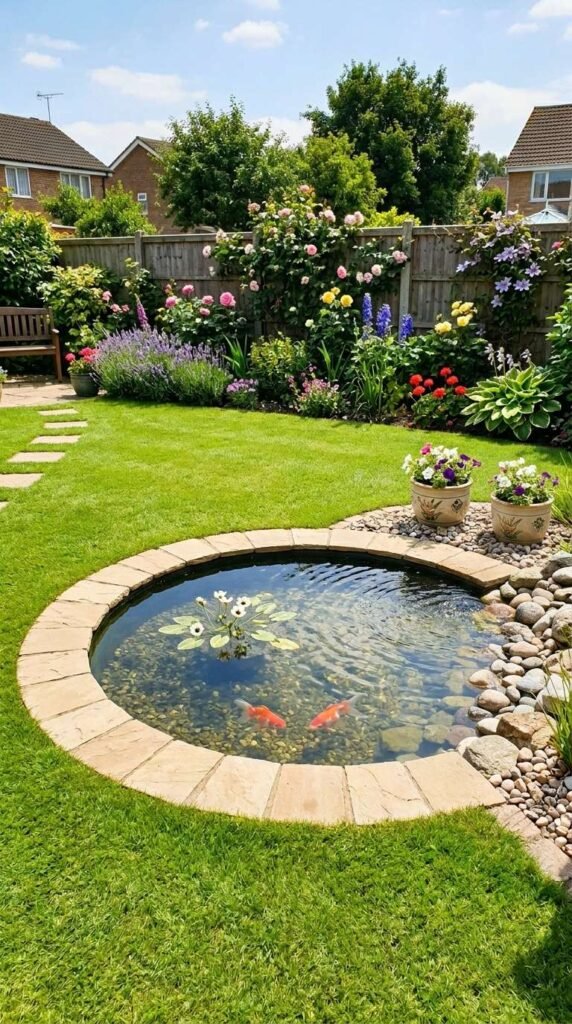
A preformed pond liner made from rigid black polyethylene or fiberglass is the fastest and most beginner-friendly way to install a permanent in-ground garden pond because the shape is completely fixed, the zones and depths are already built in, and the installation process simply involves digging a hole shaped to match the liner, lowering it carefully into position, backfilling around the outer edges, and filling with water.
A process most people complete successfully in a single afternoon using nothing more specialist than a garden spade and a spirit level. The rigid structure of a preformed liner holds its shape permanently without any risk of puncture or collapse, making it far more durable and stress-free than a flexible butyl rubber sheet for small garden ponds under 500 liters in total volume.
8.(1) How to Choose the Right Preformed Liner
The two most important decisions when selecting a preformed pond liner are total depth and overall shape. Always choose a liner that includes at least one zone deeper than 18 inches if you intend to keep pond fish through winter, because shallow water freezes solid in hard frosts and kills fish instantly, while a deeper section stays just above freezing and allows fish to survive safely in a state of natural low-activity winter rest.
Choose a preformed pond shape that genuinely complements your existing garden style — formal oval and rectangular shapes suit structured symmetrical gardens beautifully, while irregular kidney and free-form shapes blend far more naturally into relaxed cottage or wildlife garden settings.
Whatever shape you choose, install the liner with the rim sitting perfectly level all the way around the perimeter, because even the slightest tilt becomes immediately and permanently obvious once the pond is full and the uneven waterline will bother you every single time you look at it from any angle.
9. Formal Rectangular Pond for Modern Gardens
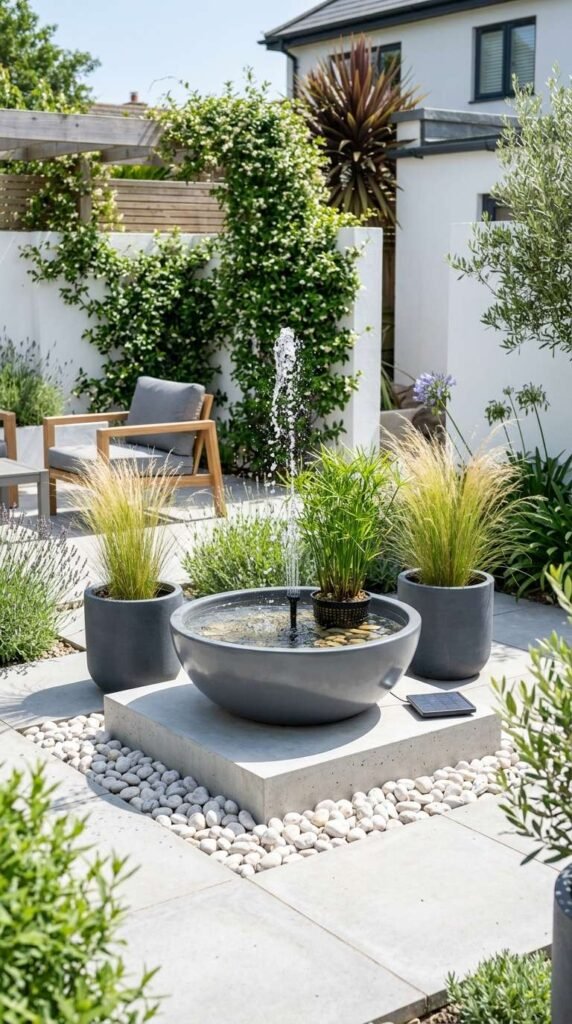
A formal rectangular pond is the defining water feature of the contemporary garden because its clean straight edges, perfectly reflective water surface, and deliberate architectural simplicity complement porcelain paving, rendered walls, and geometric planting schemes.
In a way that no naturalistic pond shape ever could and the mirror-like reflection of the sky, surrounding plants, and garden structures above creates a powerful illusion of depth and space in a small garden that makes the entire outdoor area feel significantly larger than its actual measurements suggest.
The strict geometric form of a formal garden pond also contains the visual weight of the water feature elegantly and stops it from overwhelming the space the way an irregularly shaped pond sometimes can in a tightly structured modern setting.
10.Bog Garden Pond for Shady Corners
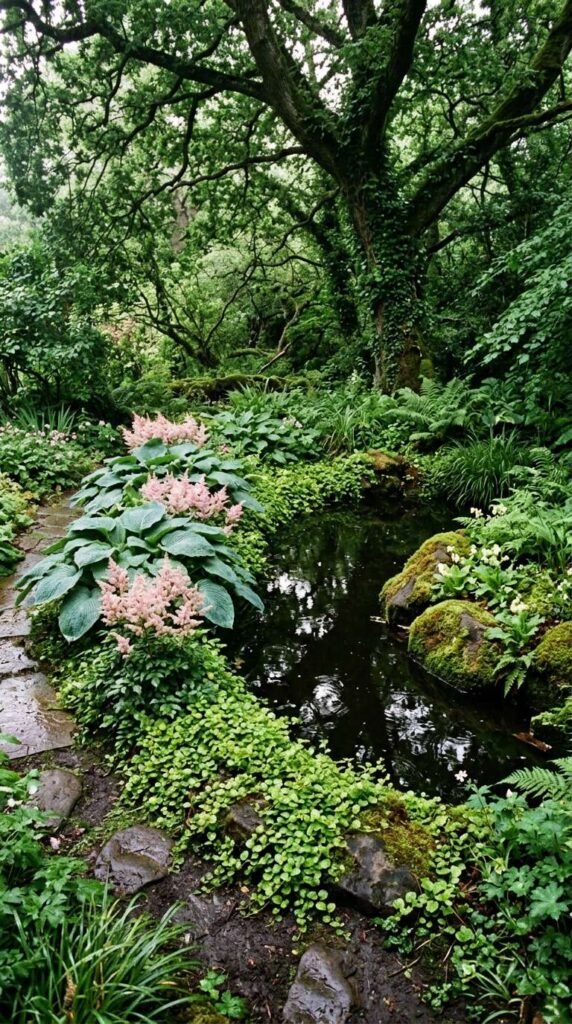
A bog garden pond is the cleverest possible solution for that persistently wet, deeply shaded corner of the garden that refuses to grow ordinary plants properly, because rather than spending years fighting the difficult conditions you lean into them wholeheartedly and create a moisture-loving plant habitat that turns a long-standing problem area into the most lush, dramatic, and visually interesting feature in the entire garden.
Bog garden plants like hostas, astilbes, rodgersias, Siberian iris, and giant-leaved gunnera thrive in permanently saturated soil and reward you with enormous architectural foliage and stunning seasonal flowers that perform brilliantly even in deep shade where almost every other garden plant simply refuses to grow.
Keep the water in a bog garden pond very shallow no deeper than 4 to 6 inches at the lowest central point — and allow the edges to merge gradually into permanently wet boggy soil so the transition from open water to planted margin feels completely natural and requires no hard edging, no formal structure, and no expensive materials to achieve.
Topping up a bog garden during dry summer periods is essential for keeping the plants healthy, and the most practical method is to lay a soaker hose just below the soil surface around the outer margins so you can deliver a long, slow, deep soak once or twice a week without disturbing delicate root systems or compacting the soft waterlogged soil that moisture-loving plants depend on entirely for their survival and long-term health.
11. Tiered Waterfall Pond for Small Sloped Gardens
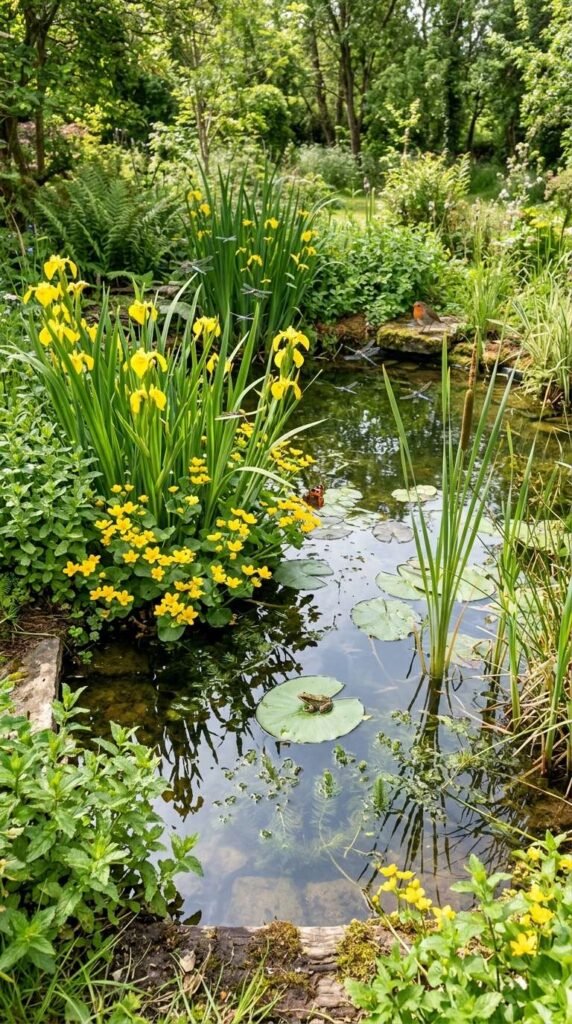
A tiered waterfall pond transforms a sloped or uneven garden from a landscaping headache into the most dramatic and exciting feature in the entire outdoor space, because the natural fall of the land does exactly the work you need moving water downward through each level naturally and creating the beautiful sound of cascading water that flat gardens can only achieve artificially with pumps and raised structures.
The combination of moving water, naturalistic rock placement, and lush planting between the stone tiers creates a feature that looks genuinely ancient and established from the very first season, making it one of the most rewarding garden water feature projects any enthusiastic gardener can take on.
Build each tier using irregular natural sandstone or granite boulders rather than uniform cut stone, because irregular shapes stack more naturally, allow cushion mosses and ferns to establish in the gaps far more easily, and create the kind of authentic, organic appearance that makes a tiered waterfall look like it grew there by itself rather than being carefully constructed by human hands over a single weekend.
Size the lower collection pond as generously as your space allows at least 24 inches deep so the pump that recirculates water back to the top tier is always fully submerged, the pond fish have enough volume to stay healthy, and the water stays naturally clearer and cooler through the hottest months of the summer without constant intervention or chemical treatment.
12. Galvanized Trough Pond for Industrial
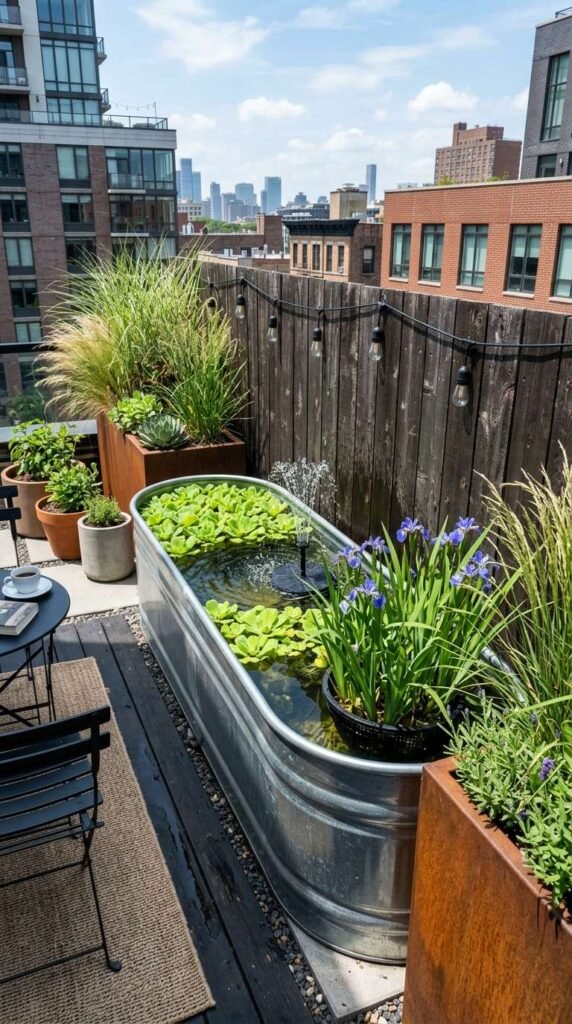
A galvanized trough pond repurposed from a farm animal drinking trough is one of the most on-trend and genuinely practical small space water garden ideas right now because the industrial metal finish, rectangular silhouette, and long narrow proportions make it an absolutely perfect fit for urban gardens, rooftop terraces, and modern outdoor spaces that want a water feature with real visual personality rather than a standard off-the-shelf pond kit from a garden center.
The ready-made depth of most galvanized troughs typically 12 to 18 inches is more than adequate for marginal pond plants, floating aquatics, and even a small population of mosquito fish or goldfish to live comfortably together.
Drill a single drainage hole in the base of a new galvanized trough before using it as a pond, then seal it from the inside using a food-safe pond-grade silicone sealant or a fitted rubber liner rather than leaving bare metal in contact with the water raw galvanized steel can leach zinc into the water at levels that are harmful to pond fish and aquatic plants before the metal has had time to weather and oxidize naturally.
Position the trough pond in a spot that receives four to six hours of direct sunlight daily, as this is the ideal balance for water lily growth and pond plant health enough light to keep plants thriving and flowering, but not so much that the shallow metal container overheats the water and reduces oxygen levels dangerously during the peak of summer.
13. Sunken Wooden Sleeper Pond With Lush Planting
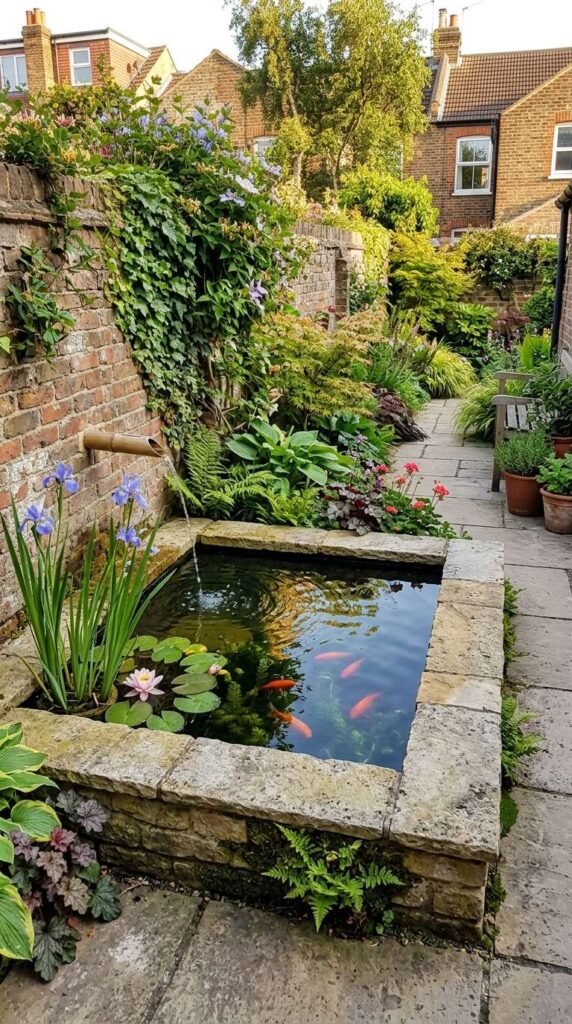
A wooden sleeper pond built from reclaimed railway sleepers has a warmth, solidity, and rustic character that no other pond construction material can quite match, because the deep brown tones and weathered grain of aged timber sit so naturally in a garden setting that the finished pond looks like it has been there for generations rather than having been built last weekend.
The sense of instant permanence and rootedness is incredibly valuable when you are trying to create a garden that feels genuinely loved and lived-in rather than freshly installed. Stacking railway sleepers to create a small raised or semi-raised pond.
It is also one of the most beginner-friendly construction projects available, requiring no specialist masonry skills, no concrete foundations, and no complex waterproofing beyond a good quality butyl rubber pond liner fitted inside the completed sleeper frame.
Line the finished sleeper pond with a thick butyl rubber liner rated at a minimum 0.75mm thickness, folding the liner neatly into each corner and securing the excess over the top edge of the uppermost sleeper before trimming it flush this creates a completely watertight seal that will last for 20 years or more without needing replacement.
Plant the margins with lush moisture-loving species like water iris, marsh marigold, brooklime, and water mint to soften the hard geometric edges of the sleeper frame and create the kind of overflowing, abundant planting that makes a garden pond look genuinely beautiful and completely at home in its surroundings from the very first spring after installation.
14. Pebble Pool Water Feature for Tiny Gardens
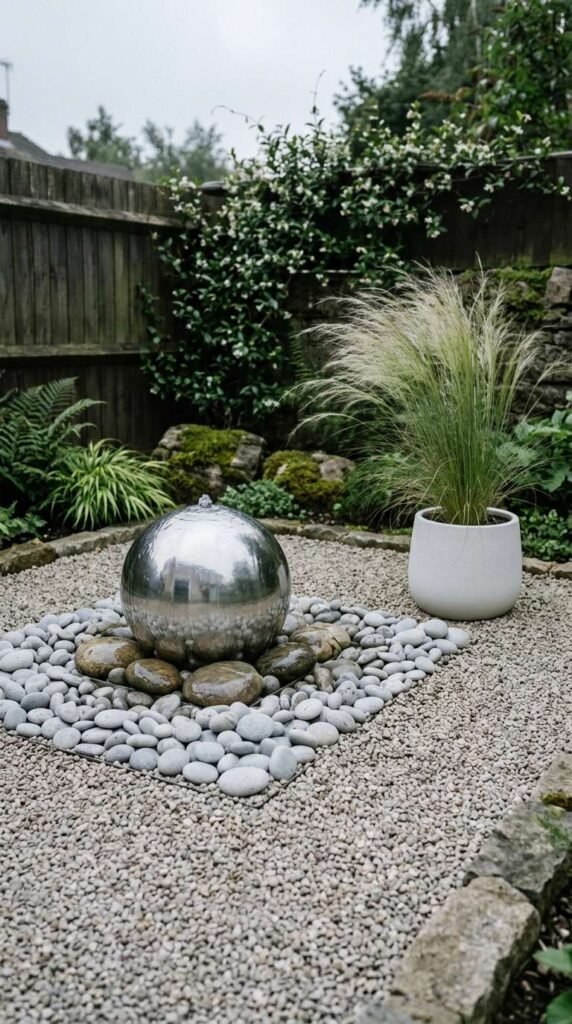
A pebble pool water feature with a hidden underground reservoir is the single most space-efficient garden water feature idea in existence because the entire functional part of the feature the pump, the water storage, and all the pipework lives completely underground and invisible, leaving only the beautiful decorative surface of tumbling water over smooth pebbles visible at ground level, which means the feature takes up almost no visual space at all while still delivering the full calming experience of moving water in the garden.
This makes pebble pool features the absolute top choice for gardens so small that even a modest container pond would feel like it was taking over, because you gain all the sensory benefits of a water garden while losing nothing in terms of planting space, seating area, or visual breathing room.
Choose a stainless steel sphere, a millstone, or a drilled natural granite boulder as the focal point that water emerges from and sheets down over, because these materials are naturally durable outdoors in all weather conditions, they develop a beautiful character over time as they weather and accumulate moss and mineral deposits, and their simple sculptural forms photograph extraordinarily well for Pinterest garden inspiration boards in every season from spring blossom to winter frost.
Size the underground reservoir tank generously at least twice the visible surface area of the pebble bed above it so the pump always has adequate water volume to draw from without running dry during hot spells when evaporation rates increase significantly and the reservoir level can drop faster than you might expect.
15. Corner Pond for Awkward Garden Spaces
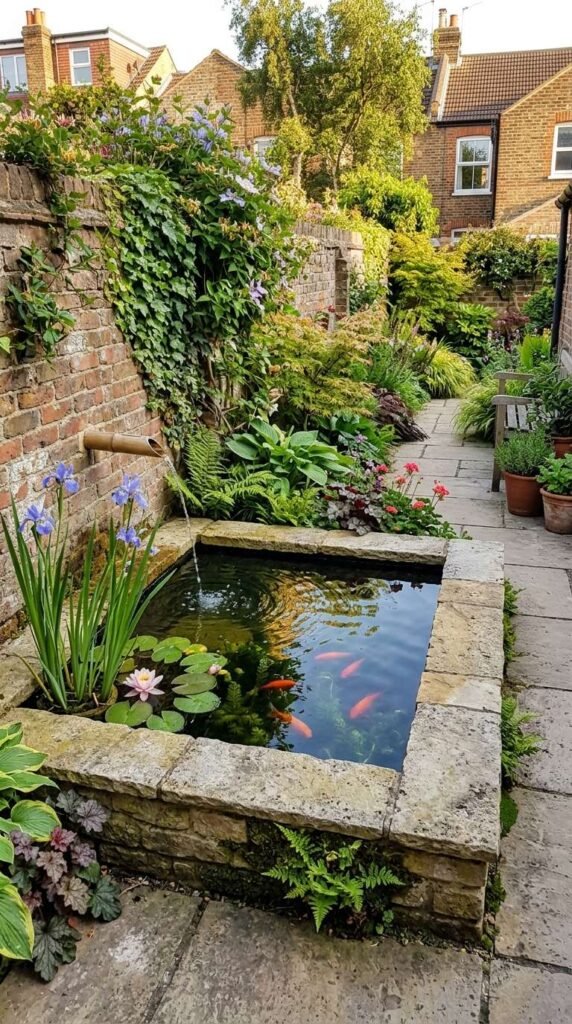
A corner pond purpose-built to fit a 90-degree garden corner is the most intelligent solution for gardens with awkward or irregular layouts, because it slots neatly into the one space.
It is almost always wasted the sharp corner where two walls, fences, or hedges meet and transforms dead unusable square footage into the most interesting and beautiful focal point the garden has.
By working with the exact geometry of the corner rather than against it, a corner water garden feels completely intentional and architecturally considered, as though the garden was always designed with a pond in that exact position from the very beginning.
Build a corner pond using the two adjacent walls or fences as ready-made sides, which immediately reduces both the material cost and the construction complexity of the project significantly, because you only need to build two new sides rather than four complete walls from scratch.
Use natural stone coping on the two constructed edges that match the material of your existing patio or pathway, fit a good quality flexible butyl liner across the entire base and up all four sides, and finish the pond surface with a compact wall-mounted water spout on one of the existing walls above.
This addition turns a simple corner garden pond into a genuinely dynamic, sound-rich feature that feels far more expensive and considered than its actual cost and construction time would ever suggest to anyone who looks at it.
16. Balcony Mini Pond for Apartment Gardens
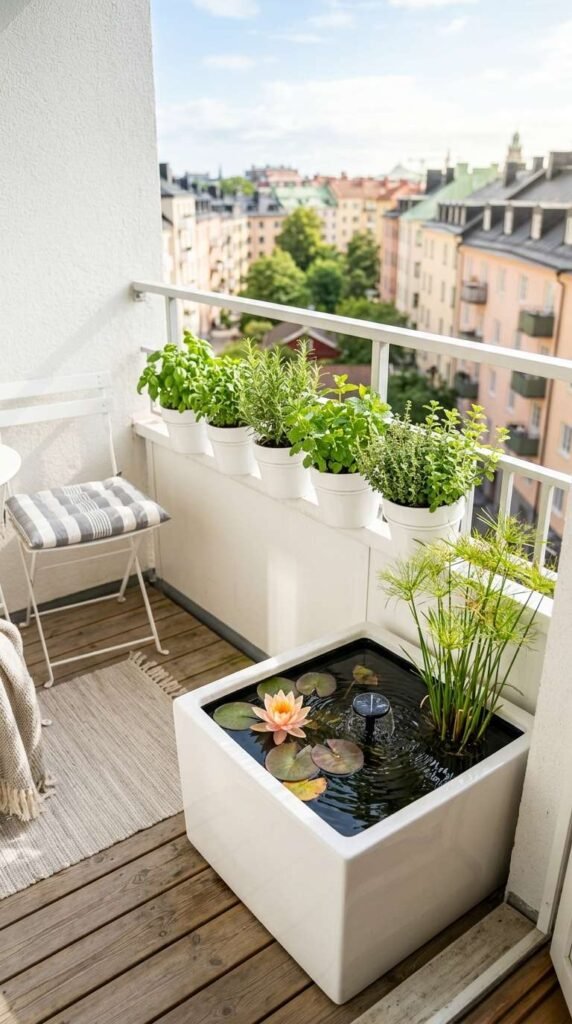
A balcony pond proves conclusively that you do not need a garden at all to enjoy the calming beauty of a water feature, because a single large sealed ceramic planter or a purpose-made mini pond kit placed in any sunny balcony corner can support real aquatic plants, real pond snails, and even a couple of small white cloud mountain minnows tiny fish perfectly adapted to life in small water volumes creating a genuinely living water garden in a space that measures just a few square feet.
The weight of the finished balcony pond is the only factor that requires serious consideration before you begin, so always check your balcony’s load-bearing capacity with a structural engineer or your building management company before filling any large container with water, as water weighs one kilogram per liter and a filled 100-liter planter is significantly heavier than it looks.
Choose a light-colored ceramic or fiberglass planter rather than a heavy stone or concrete container for a balcony water garden to keep the total weight as low as practically possible while still achieving a beautiful, substantial-looking finished feature.
Stock the mini pond with one miniature water lily, a small bundle of submerged oxygenating weed like hornwort or elodea, and a handful of pond ramshorn snails to control algae naturally this simple 3 element combination creates a naturally balanced small water ecosystem that stays clear and healthy with almost no maintenance beyond topping up with rainwater every week or two throughout the summer months.
17. Koi Pond With Compact Filtration System
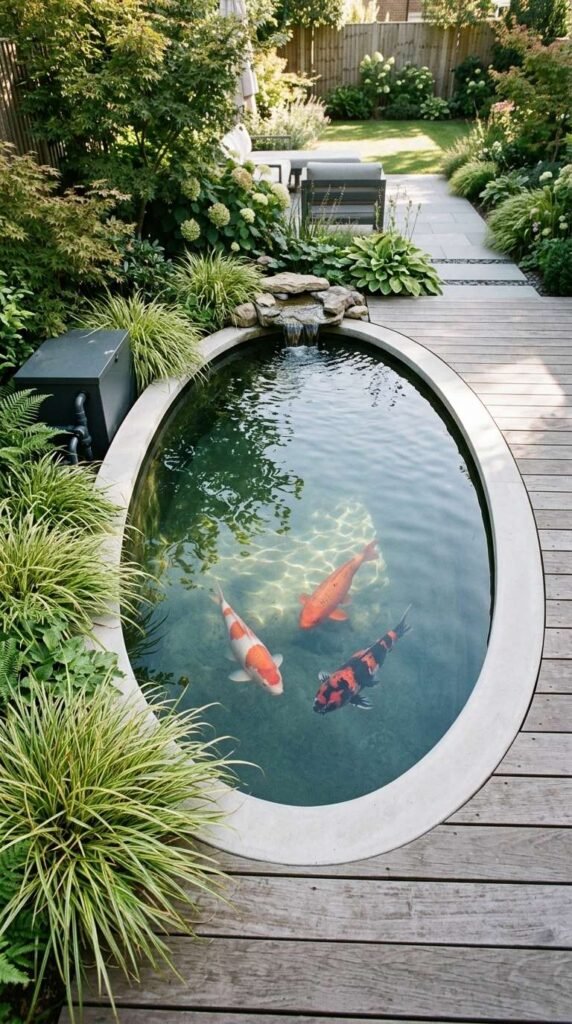
A small koi pond with a properly sized compact filtration system is absolutely achievable in a limited garden space when the design prioritizes water volume over surface area meaning a deeper, narrower pond of 1,000 liters or more will support koi fish far more successfully than a large but shallow feature of the same footprint, because koi need depth for temperature stability, oxygen, and the swimming room they require to stay healthy and grow properly over the years.
The secret to keeping a small koi pond looking crystal clear and smelling fresh is choosing a pressurized external pond filter that is rated for at least twice your actual pond volume, because undersized filtration is the single most common reason small koi ponds turn green and murky within weeks of being set up by enthusiastic first-time pond keepers.
Feed your koi fish small amounts two to three times daily rather than one large daily feeding, and remove any uneaten food from the pond surface within five minutes using a fine net excess food breaks down rapidly in the water, spikes ammonia levels, overwhelms even a good biological filter
It causes the algae blooms and murky water that make koi ponds so frustrating and high-maintenance for owners who were never warned about this one straightforward but critically important feeding habit from the very beginning of their koi keeping journey.
18. Natural Swimming Pond Adapted for Small Gardens
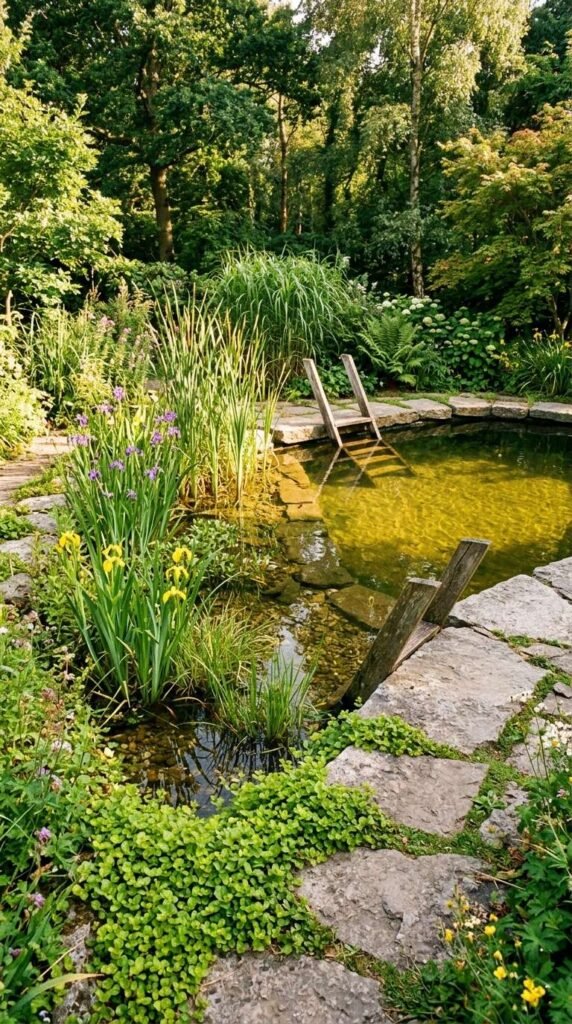
A natural swimming pond uses living aquatic plants in a dedicated regeneration zone to filter and purify the water biologically rather than relying on chemicals, pumps, or mechanical filtration which means the water is genuinely clean, beautifully clear, and completely chemical-free for swimming, while simultaneously supporting dragonflies, water boatmen, frogs, and all the other wonderful garden wildlife that chemical swimming pools drive away permanently.
Even in a small garden, a natural swimming pond of just 30 to 40 square meters is entirely feasible when the design dedicates roughly half the total surface area to planted regeneration zones that do the biological filtering work, leaving the remaining half as an open, clean, swimmable water space that is genuinely refreshing on a hot summer day.
Consult a specialist natural pool designer before starting construction, as the balance between swimming zone depth, regeneration zone planting density, and water circulation is more precise than it appears getting these ratios wrong in a small pond results in water that never fully clears or that develops persistent algae blooms that no amount of additional planting seems to resolve.
Line the swimming zone with a high-quality EPDM pond liner, install a low-energy circulation pump to move water slowly from the swimming area through the planted regeneration zone and back again, and plant the margins heavily with native emergent species like common reed, water mint, and arrowhead these plants do the real filtration work and are the true engine of the entire natural swimming pond system.
19. Stepping Stone Pond for Garden Pathways
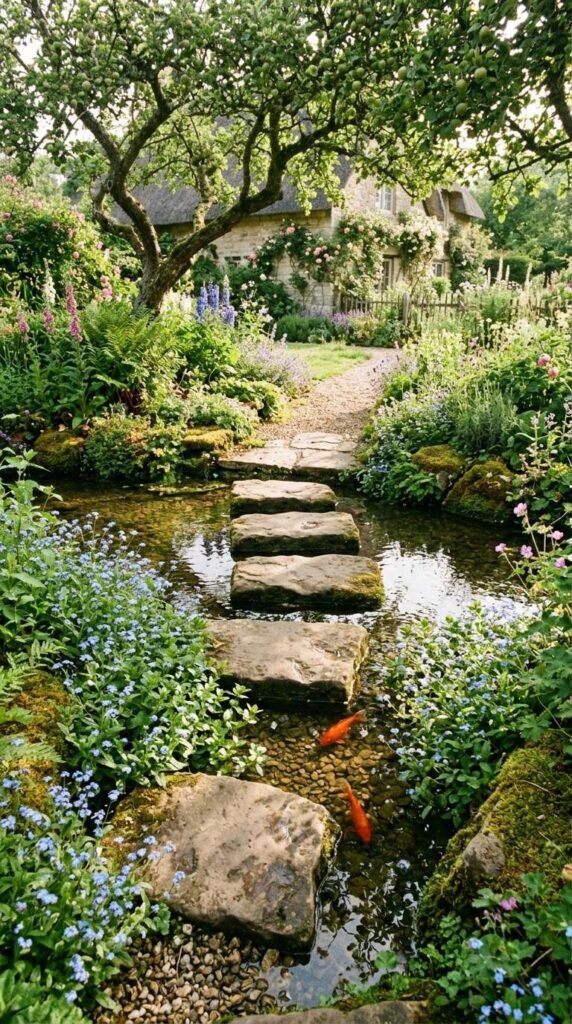
A stepping stone pond built directly into a garden path is one of the most imaginative and conversation-stopping garden water feature ideas possible because it transforms a purely functional element a pathway into a joyful, interactive experience that makes every single person who crosses it smile, slow down, and look more carefully at the garden around them, which is exactly the quality that separates a truly memorable outdoor space from one that is simply pleasant to look at.
The shallow water required for a stepping stone garden pond typically just 8 to 12 inches deep also means the project requires significantly less excavation, less liner material, and less water than a standard garden pond of equivalent surface area, making it one of the most cost-effective water garden ideas available for budget-conscious gardeners.
Keep the stones in a stepping stone pond stable and completely secure by bedding each one on a stacked brick or concrete block plinth built up from the pond floor, ensuring the top surface of every stone sits at least 2 inches above the water level so feet stay completely dry during normal use.
Plant the margins densely with low-growing aquatic plants like water forget-me-nots, brooklime, and miniature bulrush so the planting softens the hard stone edges and frames each stepping stone naturally, and add small goldfish or white cloud minnows to the pond water to control mosquito larvae and add a delightful flash of living color that surprises and delights every garden visitor who looks down while crossing.
20. Container Water Garden With Fountain and Plants
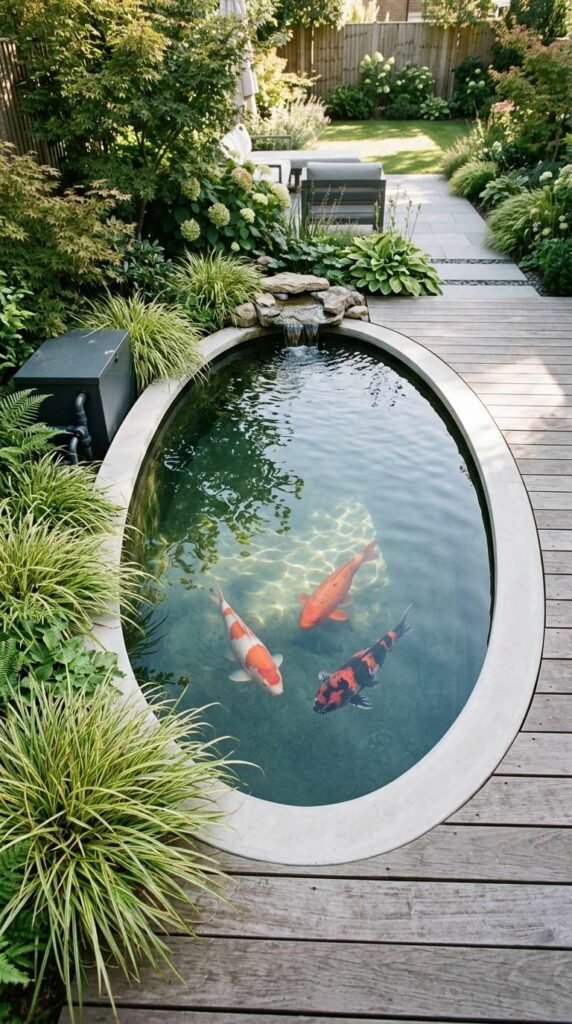
A container water garden combining live aquatic plants with a small solar fountain in a single large decorative pot creates a feature that is far more than the sum of its parts, because the movement of the fountain, the texture of the floating plants, the color of the blooms, and the reflective quality of the water surface all work together.
Its create a sensory experience sound, movement, color, reflection that a purely decorative container filled with soil and flowers simply cannot come close to matching regardless of how beautiful the planting might be.
This is the version of a small garden pond that requires the absolute least commitment and delivers the most immediate, dramatic impact which makes it the perfect starting point for any gardener who is curious about water gardening but not yet ready to commit to a permanent in-ground feature.
Balance the planting in your container water garden using the classic aquatic planting rule of thirds roughly one third submerged oxygenating plants like hornwort or elodea below the surface, one third floating plants like water hyacinth or water lettuce covering the surface, and one third open clear water left completely unplanted.
This ratio naturally prevents excessive algae growth, maintains healthy oxygen levels for any pond snails or fish in the container, and keeps the finished feature looking beautifully curated rather than overgrown and chaotic even when the plants are growing vigorously in the warmth of midsummer.
21. Mirror Pond for Small Formal Gardens
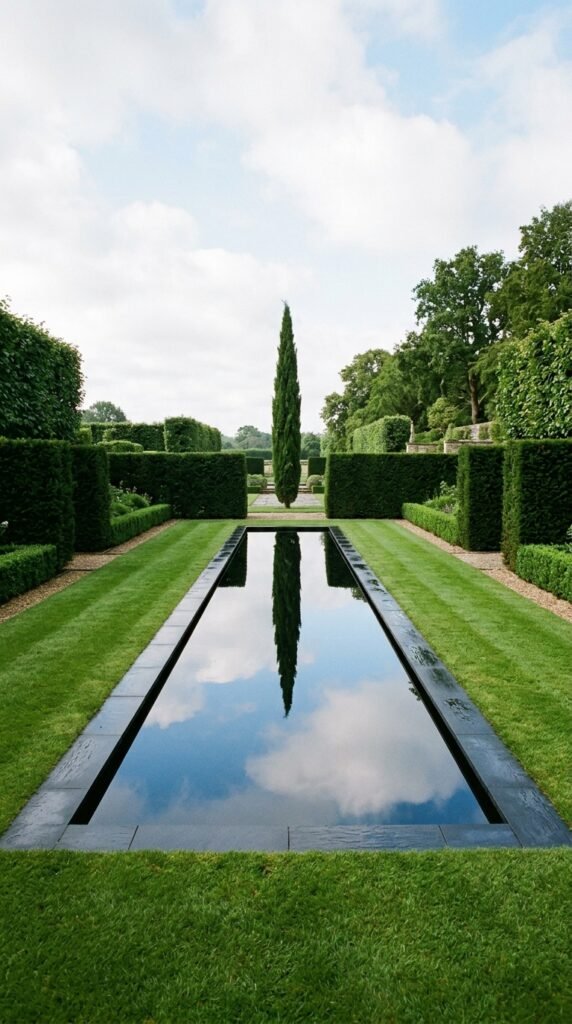
A mirror pond with a perfectly still, unplanted water surface is the most powerful optical illusion available to a small garden designer, because a flat sheet of still water reflecting the sky, surrounding plants, and garden architecture above it creates an impression of infinite depth and openness that makes even the most compact garden feel dramatically larger, lighter, and more expansive than its actual dimensions.
This effect is strongest and most impressive in gardens with strong architectural elements like clipped hedging, formal topiary, stone walls, or tall trees that reflect cleanly and dramatically in the still water surface.
The deliberate restraint of leaving the mirror pond entirely free of plants is a bold design choice that rewards confidence and pays back that confidence many times over with an elegance and sophistication that planted ponds of the same size simply cannot achieve.
Edge a mirror pond with black polished slate or dark granite coping rather than lighter stone, because dark edging makes the water appear deeper and more reflective by eliminating the visual distraction of a pale border at the waterline this single material choice can increase the apparent reflective quality of the pond surface by as much as 40 percent compared with identical ponds finished in lighter-colored stone.
Install a submersible pond heater or an aerator for winter months to keep a small area of the mirror pond surface ice-free during hard frosts, protecting the pond structure from the expansion damage that ice can cause and ensuring the feature continues to look beautiful and well-maintained through every season of the year rather than just the warmer months.
22. Upcycled Bathtub Pond for Creative Gardens
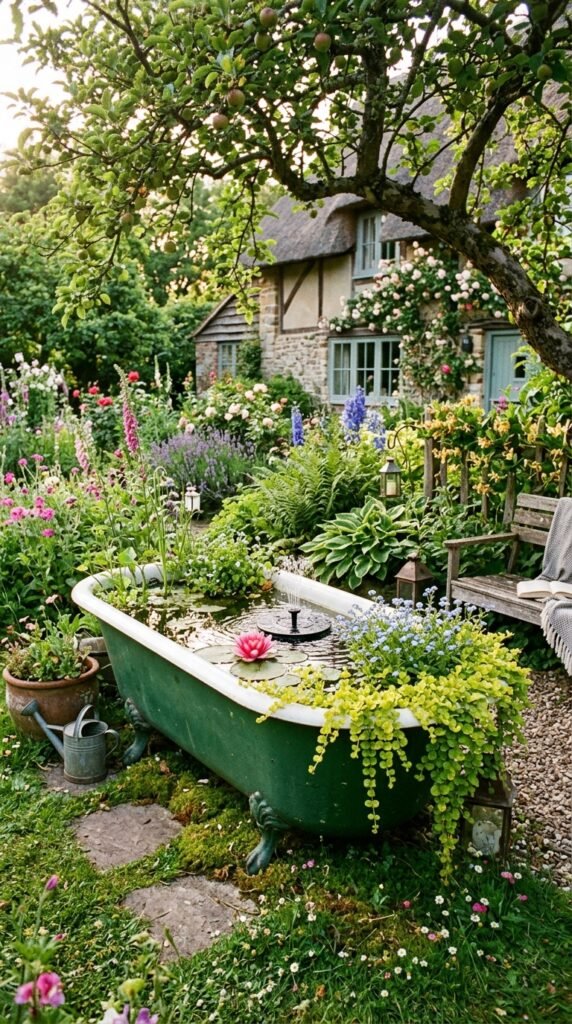
A vintage bathtub pond is the most characterful and joyfully creative garden water feature idea on this entire list because a genuine cast iron clawfoot bathtub brings with it a level of charm, history, and personality that no purpose-built pond kit could ever replicate.
The generous depth of a standard bathtub (typically 18 to 20 inches) makes it perfectly suited for water lilies, goldfish, and a full aquatic plant display without any modification to the structure of the tub itself beyond simply sealing the plughole with a rubber bung and a layer of waterproof silicone sealant.