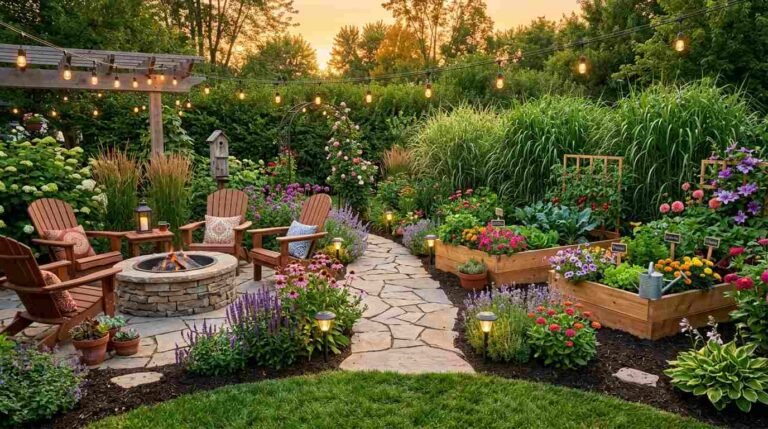
A patch of ground barely big enough for one chair can still become the prettiest spot in the whole yard with the right plan. That is exactly what good small corner garden ideas do best — using vertical space, tiered planting, and compact features to pack real charm into a tiny footprint. From a stacked pot tower to a wall-mounted herb garden, these ideas prove a corner does not need to be large to feel lush and inviting, and if you want to take that same tucked-away feeling even further, our secret garden ideas guide is a natural next stop. Every idea here fits even the tightest backyard corner. Get ready to fall for twenty gorgeous ways to fill a small space with life.
1. A Vertical Pallet Planter

Choosing the Right Pallet Size
A standard pallet roughly forty inches wide fits most small corners without overwhelming the space, while a smaller half-pallet works well for especially tight spots. Measure your corner first, then look for a pallet close to that width rather than trimming a larger one down.
A pallet planter turns a flat, narrow corner into a genuinely productive vertical garden, fitting far more plants than the ground space alone could hold. This upright design also keeps soil contained within each slot, making it easy to plant a full mix of herbs or flowers.
Line the back and bottom of each slot with landscape fabric before adding soil to prevent it from spilling out. Choose trailing or compact plants that will not outgrow the narrow slots too quickly.
2. A Stacked Pot Tower

A stacked pot tower maximizes planting space in a corner too small for a traditional bed, letting you grow several plants in a single narrow footprint. This vertical structure also makes harvesting herbs or strawberries easy without bending down to ground level, and stackable pot kits like these are easy to find at any home decor shop near me or nearby garden center.
Choose pots that decrease in size as they stack upward, securing them with a central rod for stability. Plant trailing varieties in the lower pots so their growth cascades naturally down the tower’s sides.
3. A Small Corner Trellis

A corner trellis adds real height and greenery to a small space without taking up any additional ground footprint. This vertical growing method makes even the narrowest corner feel lush and intentional rather than empty.
Choose a trellis no wider than the corner itself, mounting it flush against a fence or wall for stability. Select a compact climbing variety like clematis or sweet peas that will not outgrow the small structure too quickly.
4. A Compact Bistro Set

A bistro set brings genuine seating to a small corner without overwhelming the limited space, since its compact scale fits where a full patio set never could. This modest addition also turns an unused corner into a real spot to enjoy morning coffee.
Choose a round table rather than a square one, since curved edges fit more comfortably into tight, angled corners. Add a few potted plants around the base to soften the hard lines of the furniture.
5. A Tiered Plant Stand

A tiered stand lets you display far more plants in a small corner than flat ground space alone would allow, using height instead of width to add greenery. This layered approach also creates natural visual interest without requiring a large planting bed.
Place larger, trailing plants on the top tier so they can spill down naturally over the lower levels. Choose a stand with a narrow footprint specifically designed for corners, rather than a wide, freestanding shelf.
6. A Mini Zen Garden

A mini zen garden brings calm, uncluttered beauty to a small corner using very few elements, making it one of the most low-maintenance options available. This minimal approach also suits corners too small or shaded for traditional plantings.
Keep the plant palette to just one or two calming elements, like a small bonsai or a single fern. Rake the gravel into simple lines periodically to keep the display feeling intentional and cared for.
7. A Hanging Basket Cluster

Hanging baskets add color and fullness to a small corner entirely from above, leaving the ground space completely free for other uses. This vertical solution is especially valuable in a corner too narrow for any raised bed or planter.
Hang baskets at staggered heights so each one remains visible rather than blocking the ones above or below. Choose trailing flowers like petunias or lobelia that will fill in fully within just a few weeks of planting.
8. A Small Raised Bed

A small raised bed built to match a corner’s exact dimensions makes efficient use of a space too irregular for a standard rectangular plot. This custom-fit approach also improves drainage and soil quality compared to planting directly in uneven corner ground.
Build the bed’s shape to follow the corner’s actual angle rather than forcing a square design into the space. Keep plantings dense but not crowded, mixing vegetables and flowers for both function and color in the tight footprint.
9. A Corner Window Box Wall

Window boxes mounted directly onto a fence or wall bring instant greenery to a small corner without using any ground space at all. This wall-based approach is one of the most space-efficient ways to add real color to a tight area.
Mount boxes at staggered heights rather than in a single straight row for a more layered, dynamic look. Choose a consistent box material and color so the cluster feels cohesive despite the varied heights.
10. A Miniature Rock Garden

A miniature rock garden suits a small, dry corner perfectly, since these compact plantings need very little soil depth or water once established. This low-maintenance option also works well in corners where grass or larger plants struggle to grow.
Choose small stones in varying sizes and let them settle naturally rather than arranging them too perfectly. Plant drought-tolerant succulents in the gaps for color that requires almost no ongoing care.
11. A Small Water Bowl Feature

A water bowl feature brings the calming presence of water to a small corner without the space or plumbing a full fountain would require. This scaled-down option still adds real sensory interest, especially when a bird or two stops by to drink.
Choose a simple, shallow bowl that is easy to clean and refill regularly. Place it at a height where it can be enjoyed from a nearby bench or window, keeping the whole feature proportioned to the corner’s small scale.
12. A Wall-Mounted Herb Garden

A wall-mounted herb garden keeps fresh cooking herbs close at hand without using any ground space in a small corner. This vertical, pocket-style system also makes it easy to snip exactly what you need for dinner in seconds.
Choose a mounting system with individual pockets so each herb has its own contained soil space. Position the display near the kitchen door if possible, so harvesting herbs stays as convenient as possible.
13. A Folding Corner Bench

A folding bench gives a small corner real seating without a permanent commitment, since it can be tucked away or moved whenever the space needs to serve another purpose. This flexibility makes it especially useful in corners that do double duty throughout the seasons.
Choose a bench sized specifically to the corner’s dimensions so it fits snugly without crowding the space. Fold and store it during months when the corner might be needed for other activities, like storing garden tools.
14. A Small Succulent Display

A succulent display fills a small sunny corner with color and texture while requiring very little water or ongoing care. This drought-tolerant option is especially useful for corners that tend to dry out quickly in direct sun.
Group succulents of varying shapes and colors together on a ledge or small shelf for visual interest. Choose pots with drainage holes, since succulents are especially prone to root rot in standing water.
15. A Narrow Vertical Garden Tower

Choosing Stackable Planters
Look for interlocking planter systems specifically designed to stack securely without wobbling, since a tall tower needs real stability in wind or heavy rain. Test the base on level ground before planting to make sure the whole structure sits evenly.
A vertical garden tower turns a narrow corner into a genuinely productive growing space, stacking multiple planting levels within a single small footprint. This space-saving design is especially valuable for corners too tight for any traditional bed.
Plant a mix of vegetables and trailing herbs across different levels for both function and visual variety. Water the tower from the top down so moisture reaches each level as it filters through the stacked pockets.
16. A Mini Fairy Garden Corner

A mini fairy garden brings playful, whimsical detail to a corner too small for larger garden features, making the most of even a few square inches of space. This miniature world also makes a wonderful project to build together with kids.
Choose a shaded spot to protect delicate miniature accessories from fading in direct sun. Layer moss, small stones, and tiny plants to create a realistic sense of scale within the compact scene.
17. A Small Shade-Loving Fern Bed

A shade fern bed turns a dim, often-overlooked corner into a genuinely lush feature, since ferns thrive in exactly the low-light conditions many other plants struggle with. This practical match between plant and site makes the corner easy to maintain long term.
Choose a mix of fern varieties with different frond textures and heights for visual layering within the small space. Keep the soil consistently moist, since ferns generally prefer damper conditions than sun-loving plants.
18. A Compact Container Vegetable Garden

A container vegetable garden brings genuine food production to a small corner without needing an in-ground bed at all. This flexible approach also lets you move containers seasonally to chase the best available sunlight.
Choose containers at least twelve inches deep for most vegetables to develop healthy root systems. Group pots closely together for a lush, full look while still leaving enough space for air circulation between plants.
19. A Small Corner Arbor

A corner arbor adds real vertical structure and shade to a small space, giving climbing plants a purpose while creating a defined destination within the yard. This modest architectural feature makes even a tiny corner feel like an intentional garden room.
Choose an arbor sized specifically to fit the corner without crowding walking paths nearby. Train a fragrant climber like jasmine over the structure so the small space smells as good as it looks.
20. A Petite Gravel Seating Circle

A gravel seating circle defines a small corner as genuine outdoor living space using minimal materials and effort. This simple hardscaping solution also drains well and avoids the maintenance grass would require in an awkward, tight spot.
Edge the gravel circle with a simple border of stone or plastic edging to keep it contained. Add two lightweight folding chairs that can be tucked away easily when the space needs to serve another purpose.
FAQS
1. What is the best way to fill a small garden corner?
Layered plantings with varying heights, from tall shrubs to low ground cover, fill the space beautifully without feeling crowded. Adding one focal piece, like a planter or small statue, completes the look.
2. Can I fit seating into a very small corner?
Yes, a single bistro chair or a compact bench fits nicely into most corners. Choose a small, weather-resistant piece so it does not overwhelm the limited space.
3. What plants work best in a tight garden corner?
Compact shrubs, ferns, and trailing vines all work well in small spaces. Choose plants that grow upward or trail downward rather than spreading wide.
4. Should I use pots or plant directly in the soil?
Pots offer more flexibility in a small corner, especially if the space has uneven soil or limited sunlight. Grouping a few pots at varying heights adds instant visual interest.
5. How do I add privacy to a small corner garden?
A narrow trellis with climbing vines or a small lattice screen adds privacy without taking up much space. Choose a compact option sized specifically for the corner.
6. What is a good focal point for a tiny garden corner?
A small water feature, a decorative planter, or a single sculptural plant all work well. Even one standout piece can give the corner a clear sense of purpose.
7. Can a shaded corner still work as a garden space?
Yes, shade-loving plants like hostas, ferns, and hydrangeas thrive in low-light corners. Pairing them with a layer of mulch keeps the space looking tidy.
8. What lighting suits a small corner garden?
A single solar lantern or a short string of lights adds a warm glow in the evening without requiring electrical work. This small touch makes the corner feel inviting after dark.
9. How do I keep a small corner garden low maintenance?
Choose native or drought-tolerant plants that require little upkeep once established. A layer of mulch also helps reduce weeding and the need for frequent watering.
10. How do I make a tiny corner garden feel finished?
Adding a small border, like stone edging, gives the space clearly defined boundaries. One thoughtful accent, like a birdbath or lantern, helps tie the whole corner together.
Conclusion
A small garden corner has more potential than it might seem, and a few thoughtful touches can turn it into a favorite little retreat. Layered plants, a cozy seat, and one clear focal point go a long way toward making the space feel intentional. Start with one small change, like adding a chair or a potted plant, and build from there as your corner comes together. Try one idea this weekend and see how much charm a small space can hold.