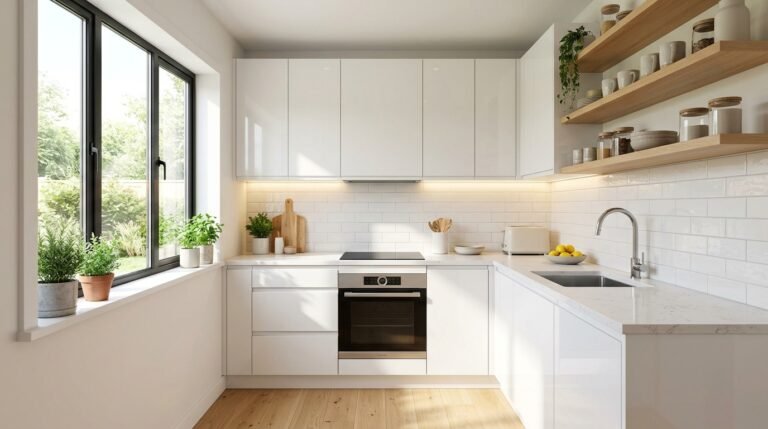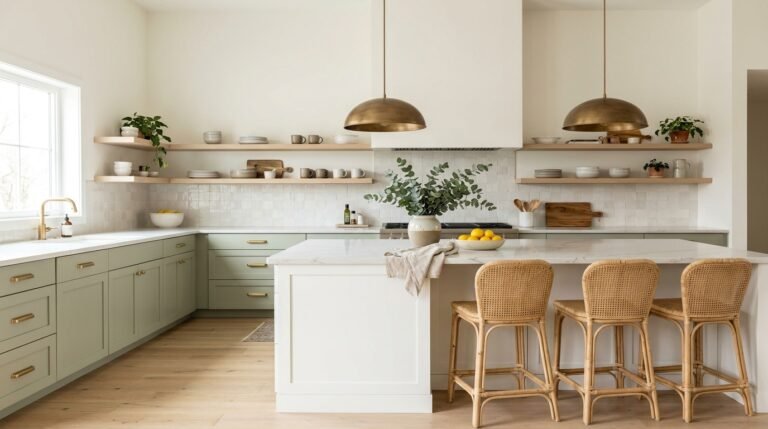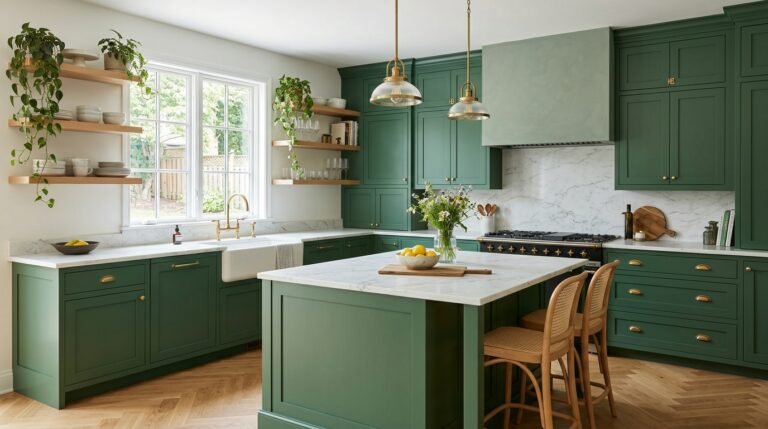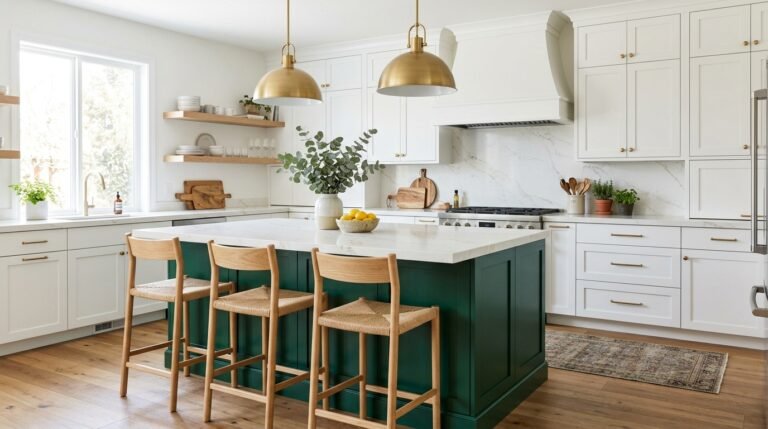
Your trash can is the one thing you use every single day, yet it’s the last thing most of us plan. If you’ve ever wondered what size kitchen trash can actually fits your home, you’re in the right place. Too small, and it overflows by dinner. Too big, and it swallows your floor space. In this guide, you’ll find 17 visual, easy ideas, from slim fridge-gap bins to pull-out cabinets and pet-proof lids. I’ve noticed that the right size and spot can change how a whole kitchen feels. Scroll through, save your favorites, and find the one that fits your life and your space.
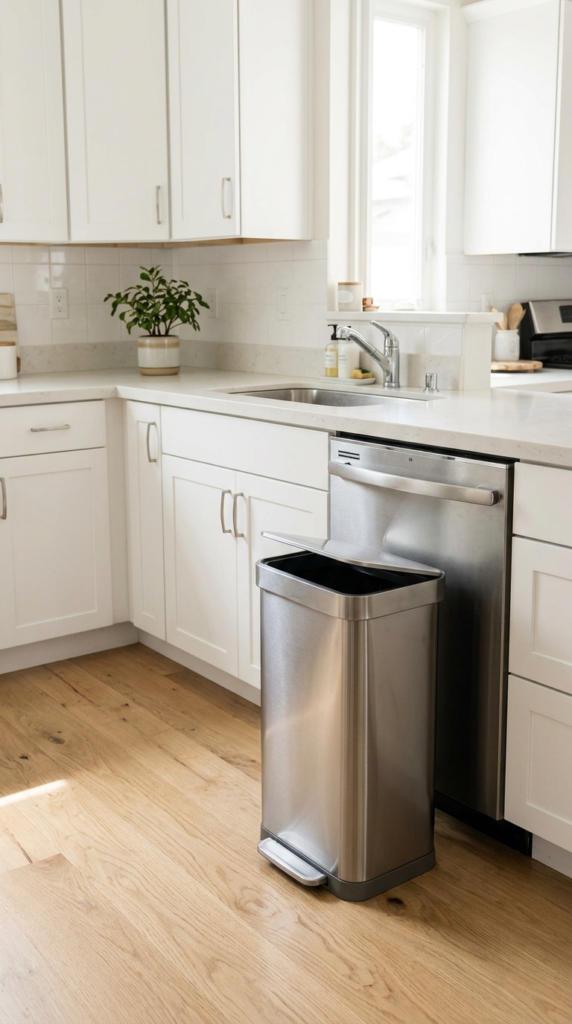
Classic 13 Gallon Tall Can
- Fits standard tall kitchen bags, so you never hunt for odd sizes
- Holds a full day of family cooking scraps and packaging without overflowing
- A slim stainless finish blends with most cabinet and appliance colors
- Means fewer trips to the outdoor bin, which matters more than it sounds
Ever notice how a trash can that’s too small becomes the loudest thing in your kitchen? The 13-gallon tall can solves that quietly. If you’re stuck on what size kitchen trash can suits a family of three or four, this is the safest starting point. It holds roughly a day or two of cooking waste, takeout boxes, and packaging without that overstuffed look. The standard tall bags are cheap and available everywhere, which keeps restocking simple. Its height also gives you room to pull the bag out cleanly instead of wrestling it over the rim.
Placement matters as much as size. Tuck the can beside the cabinet run, close to the prep area, and it stops feeling like clutter. In my experience, a stainless or matte finish keeps the corner looking intentional rather than forgotten. Measure the gap first, since many 13-gallon models are around 24 inches tall and 16 inches wide. Choose a lid that closes softly to cut noise and odor. Once it sits at the right spot, you’ll notice fewer dripping trips across the floor, a tidier look, and a kitchen that feels calmer during busy dinners.

Compact Apartment Bin
- Frees up floor space in tight galley and studio kitchens
- Gets emptied often, so odors never have time to build up
- Light colors make the corner feel open instead of crowded
- Suits one or two people who cook lightly
Small kitchens don’t need a big bin, they need a smart one. A 4-gallon round can slips into narrow corners where larger models simply won’t fit. I’ve noticed that people living alone often buy oversized cans and then let half-empty bags sit for days. A compact bin fixes that habit by encouraging regular emptying, which naturally keeps smells away. Choose a matte white or soft neutral finish and it nearly disappears against light cabinets. Pair it with small drawstring bags, and the whole setup feels tidy, light, and perfectly proportioned for a studio or apartment.
Where you place it changes everything. Set the bin beside the counter you use most, not hidden far away, so scraps land in it without extra steps. A pedal lid helps because your hands stay free while chopping. Keep a stack of spare bags folded in the bottom of the can for quick swaps. Most compact models stand about 14 inches tall, so check any shelf or counter edge nearby. Once it fits properly, you’ll notice clearer floor space, easier cleaning around the base, and a corner that finally looks planned instead of squeezed in.

Pull Out Cabinet Bin
- Hides the bin completely, so the kitchen looks clean and uncluttered
- Two compartments make sorting trash and recycling effortless
- Soft-close slides keep the whole routine quiet
- Saves the floor space a freestanding can would take
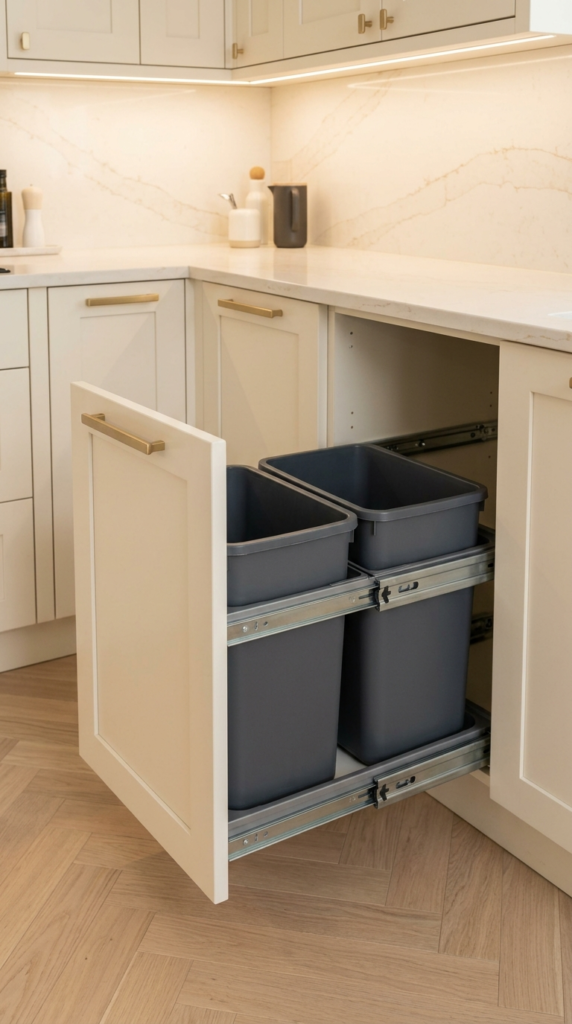
The best trash can is the one you never see. A pull-out cabinet system tucks two 8 to 10 gallon bins behind a regular door, leaving your floor completely open. That’s a big win in kitchens where every inch counts. Because the bins are mid-sized, they hold a lot while still fitting standard base cabinets about 15 to 18 inches wide. Sorting trash and recycling becomes a quick habit rather than a chore. The result is a kitchen that looks calmer, with clean cabinet lines and no plastic can interrupting the view.
Open-plan kitchens reveal everything, which is exactly why this setup shines there. Before buying, measure the inside width, height, and depth of your cabinet, and check for pipes or hinges blocking the path. That’s why many designers recommend measuring twice before ordering any slide system. Look for full-extension, soft-close slides so the bins glide out smoothly. Add a small liner stash on the inside of the cabinet door for easy swaps. Once installed, you’ll notice a quieter routine, cleaner sightlines, and a kitchen that feels designed, not improvised, even on messy cooking nights.
please also read: 20 modular kitchen design
Under Sink Slim Bin
- Turns unused cabinet space into a smart waste station
- Keeps scraps close to the sink where prep happens
- Hides the bin completely for a cleaner floor
- Works well for couples and small households
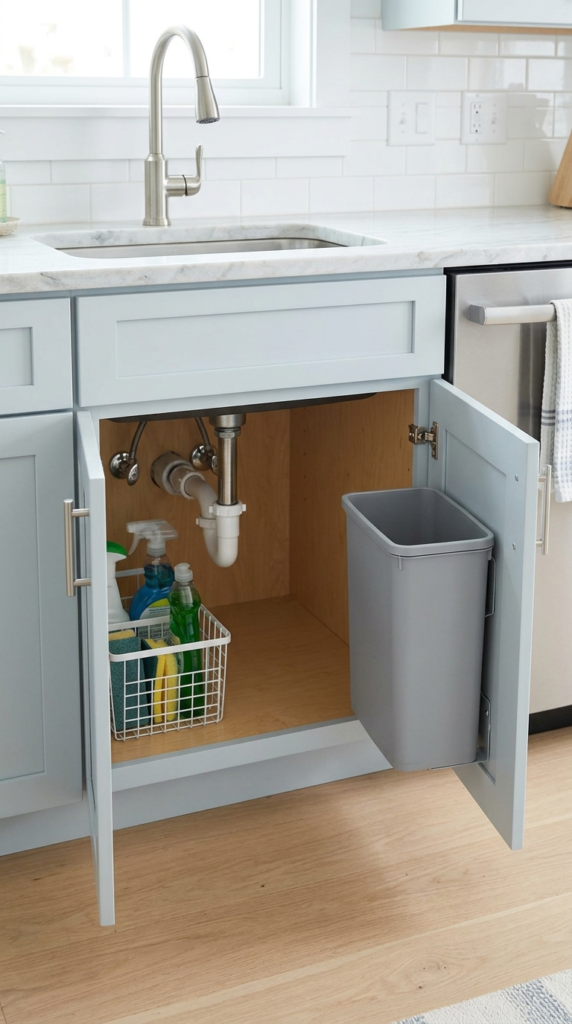
The cabinet under your sink is wasted space waiting for a job. A slim 6-gallon bin fits there neatly, often mounted on the cabinet door so it swings out when you open it. It keeps scraps close to the sink, where most food prep happens anyway. Because the bin is smaller, it suits couples or small households that cook a few meals a day. You skip the floor clutter completely, and the kitchen looks calmer. Choose a rectangular shape rather than round, since it uses corners better and slides beside pipes without wasting a single inch.
Measure before you buy, because plumbing varies a lot from home to home. I’ve seen this work well when the bin sits on the side of the cabinet away from the drain pipe and garbage disposal. Check the door hinges too, since heavy bins can strain weak ones over time. Empty it every day or two, as dampness under a sink can encourage odors. A small box of baking soda tucked nearby helps. Once it is in place, you’ll notice fewer steps between chopping board and bin, a cleaner floor, and cabinet storage that finally earns its keep.
Touchless Sensor Bin
- Opens with a wave, so messy hands stay clean
- A closed lid traps odor between uses
- Matte black or steel adds a modern accent
- Great for raw meat prep and baking messes
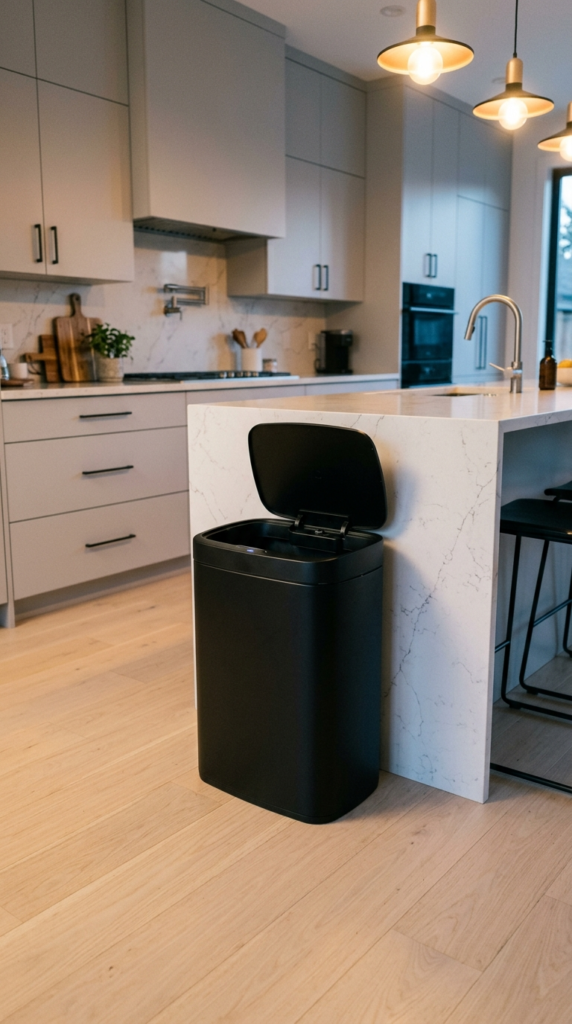
Messy hands and a trash lid are a bad mix. A sensor bin solves it with a simple wave, opening the lid while you hold a dripping chicken tray or a floury bowl. Most models hold 10 to 13 gallons, which suits average households comfortably. The lid also stays shut between uses, so odors and fruit flies have a harder time. I’ve noticed that people with kids love this setup, because the lid closes itself when little hands forget. Pick a matte finish to hide fingerprints, and the bin becomes a sleek accent beside your island or counter.
Think about power before choosing one. Battery models offer flexible placement, while plug-in versions never need new batteries but need an outlet nearby. Either way, keep the sensor clear of crumbs, since a dirty sensor can open randomly or not at all. Wipe it weekly with a soft damp cloth. Leave a few inches of clearance above the lid so it opens fully under cabinets or shelves. Once the bin is placed well, you’ll notice cleaner counters, fewer sticky handle marks, and a hands-free routine that makes cooking feel smoother and a little more modern every single day.
Large Family Can
- Handles big batch cooking and weekend gatherings
- Means fewer bag changes for households of five or more
- Heavy-duty bags resist tearing under weight
- Works well near a pantry or garage door
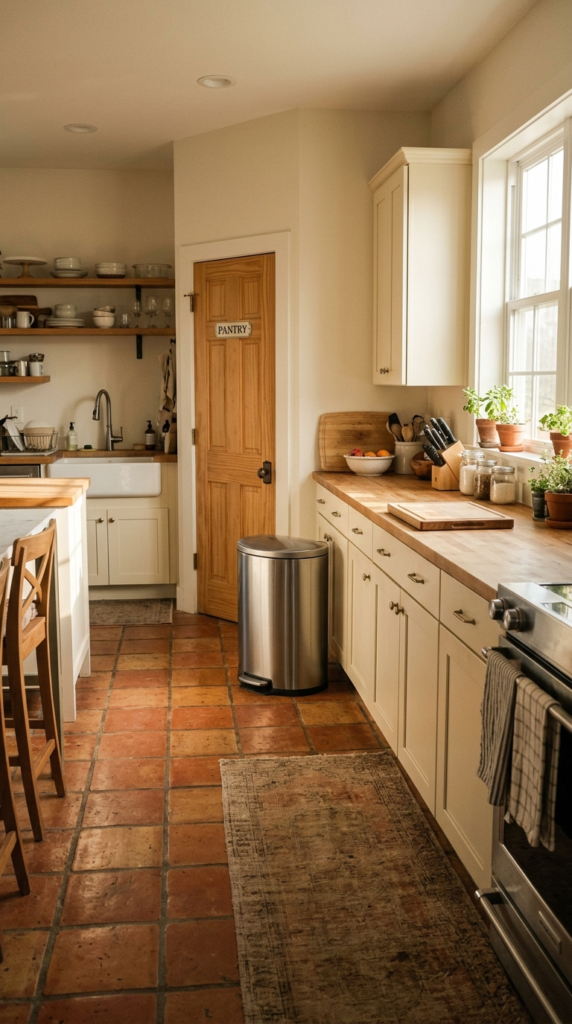
Big families create big trash, and a small bin quietly fails them. A 20 to 30 gallon can handles weekend cooking, school lunches, and party leftovers without constant bag changes. If you’ve wondered what size kitchen trash can fits a household of five or more, this is usually the answer. Look for a sturdy base so it doesn’t tip when full. I’ve noticed that busy families care less about looks and more about not taking out garbage twice a day. A neutral steel or bronze finish still keeps the corner looking warm and intentional rather than bulky.
Space is the real challenge here. These cans stand taller and wider, so give them a dedicated spot near the pantry or back door where they won’t block traffic. Measure the walkway first, because a bin needs about a foot of clearance for lid opening and bag removal. Buy thick, drawstring liners labeled for heavy loads, since wet scraps add serious weight. Once it’s placed well, you’ll notice fewer overflow moments, a cleaner floor around the base, and a calmer kitchen routine that keeps up with real family life instead of fighting against it every evening.
Dual Sort Station
- Gives trash and recycling their own clear spots
- Matching bins look like one tidy, planned unit
- Cuts the habit of tossing everything into one bag
- Works well for households that recycle often
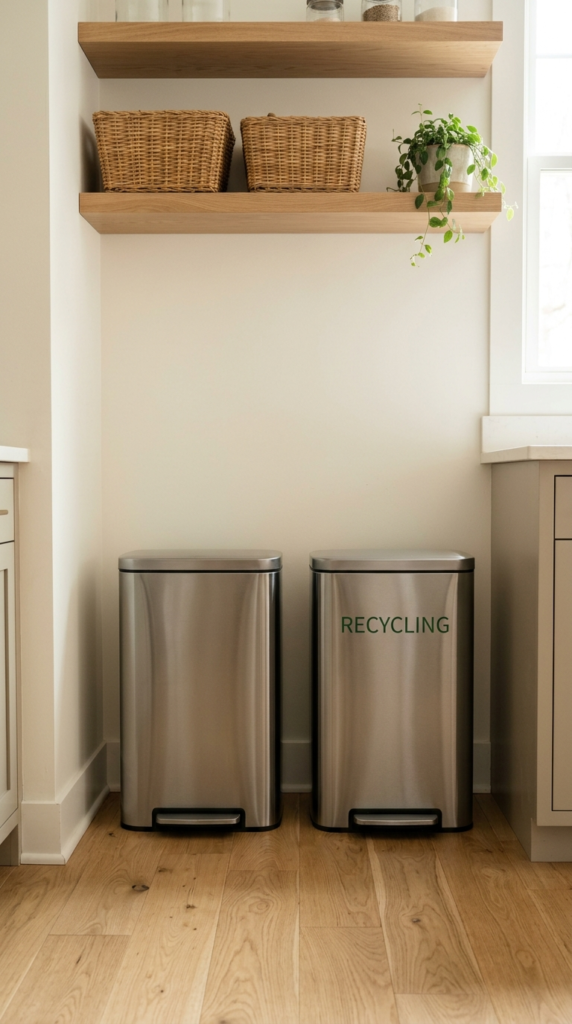
Sorting trash shouldn’t feel like homework. A dual-bin station places two 10-gallon cans side by side, one for waste and one for recycling, so every item has an obvious home. Families usually find that recycling rises once the second bin sits in plain sight. Choose matching finishes so the pair looks like a single piece of furniture instead of two random cans. A low profile frame keeps the top clear for a small notice about local rules. Overall, the setup brings order to the busiest corner of the kitchen and makes daily cleanup quicker.
Footprint is the trade-off, so plan it carefully. Two cans together usually need about 28 to 32 inches of width, which suits a wall section near the pantry or a spot beside the island. In my experience, labeling each lid with a small tag saves guests from guessing. Pick cans with removable inner buckets, because rinsing them is far easier outdoors. Leave space behind for the lids to swing open fully. Once the station is working, you’ll notice fewer mixed-up bags, a cleaner cabinet front, and a calmer habit of sorting that the whole household follows without reminders.
Slim Fridge Gap Bin
- Uses a gap that would otherwise stay empty
- Keeps the bin near the cooking zone but out of the way
- A matching finish blends it into the appliance line
- Holds plenty despite its narrow shape
That awkward gap beside the fridge is prime real estate. A slim 10-gallon bin, often only 10 to 12 inches wide, slides into narrow spaces that wider cans can’t use. It stays close to the cooking zone yet out of the walking path. Many slim models are tall and rectangular, so they hold plenty while taking very little floor. Choose a finish that echoes your appliances, like stainless or black, and the bin visually blends into the fridge line. The result is a tidy corner that feels intentional, with nothing sticking out into the room.
Check the fridge door swing before you commit. A bin placed too close can block the hinge side or scratch the paneling. I’ve noticed that leaving about an inch of breathing room on each side makes pulling the bag out far easier. Look for a pedal lid or a gentle soft-close top so opening it doesn’t bump the fridge. Heat from the back of a fridge can warm the bin, so keep ventilation clear. Once it’s settled in, you’ll notice a smoother walkway, less visual clutter near the cooking area, and a kitchen that uses every awkward inch well.

Countertop Compost Pail
- Keeps wet scraps out of the main trash can
- Reduces odor and makes bag changes lighter
- A ceramic or steel finish looks like decor
- Sits right where food prep happens
Small scraps deserve their own tiny bin. A countertop compost pail holds about one gallon of peels, coffee grounds, and veggie ends, which keeps wet waste out of your main trash. That one change makes the big bin cleaner, lighter, and far less smelly. Pick a ceramic or stainless pail with a charcoal filter lid, and it looks more like a decor piece than a trash container. I’ve seen this work well beside the cutting board, where scraps travel only a few inches. It adds a fresh, eco-friendly touch without taking real counter space.
Habits make this idea succeed, so keep it simple. Empty the pail every day or two into a backyard compost, a municipal green bin, or a freezer bag if you lack outdoor space. Wash it with warm soapy water weekly and replace the charcoal filter every few months. Compostable liners help keep cleanup easy, though they aren’t essential. Avoid meat, dairy, and oils unless your local program accepts them. Once the routine settles, you’ll notice less odor in the main bin, fewer bag changes, and a kitchen that feels fresher, greener, and a little more thoughtful with each meal.

Wall Mounted Bin
- Clears the floor completely for easy mopping
- Keeps scraps within reach of the prep zone
- Perfect for tiny kitchens and rental apartments
- Easy to remove and clean in seconds
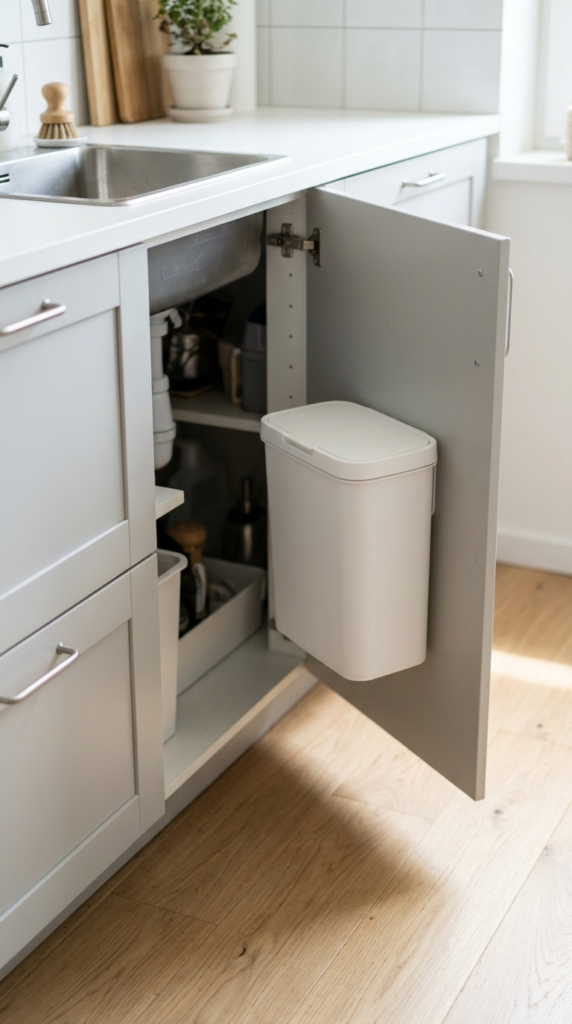
Floor space is precious, so why give it to a trash can? A wall-mounted bin hangs inside a cabinet door or on a nearby wall, holding about 2 to 4 gallons of everyday waste. It suits tiny kitchens, rentals, and light cooks who don’t produce much garbage. With nothing sitting on the floor, cleaning becomes quick and corners stay clear. Choose a white or soft gray model that matches your cabinets, and it nearly vanishes from sight. The result is a kitchen that feels open, light, and carefully organized, even when the room itself is small.
Installation deserves a little care. Check that your cabinet door can handle the extra weight, since a full bin pulls on hinges more than people expect. In my experience, hooks that grip the top edge of the door work best for renters because no screws are needed. Empty it daily, as the smaller size fills fast. Choose a model with a lid that stays tucked inside when the door closes. Once it hangs properly, you’ll notice a tidier floor, quicker prep cleanup, and a cooking space that feels calmer, lighter, and much easier to move through.
Bag Fit Smart Choice
- Stops bags from slipping down inside the can
- Saves money by avoiding oversized liners
- Reduces tears and leaks during bag removal
- Makes bag changes quick and tidy
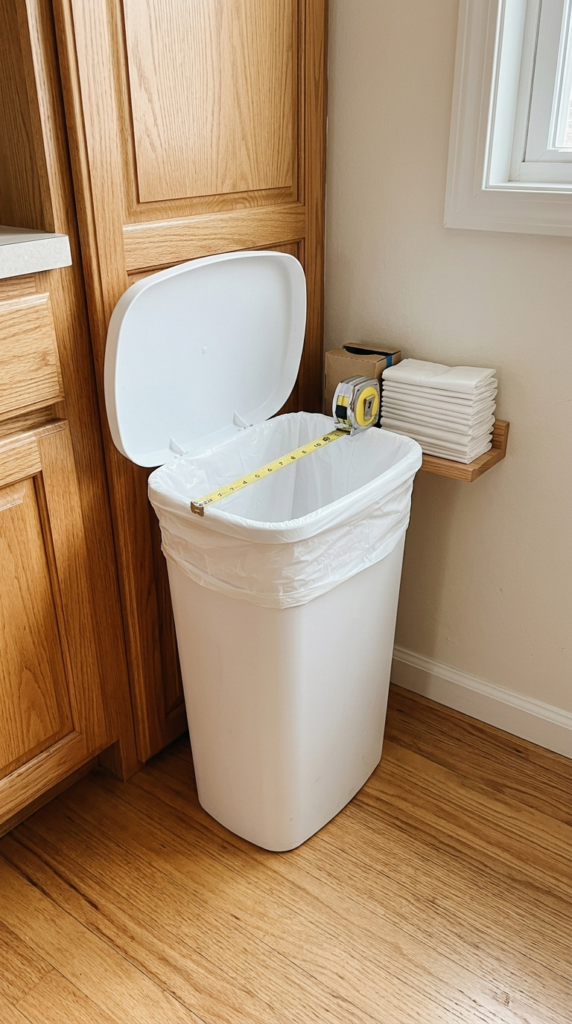
A bin is only as good as the bag that fits it. Ever had a liner slide into the can halfway through taking out the trash? That happens when bag size and bin size don’t match. Measure around the can’s rim and its height, then add the width and depth together to find the right liner. Most 13-gallon cans use tall kitchen bags, while 4-gallon bins need small drawstring ones. The right fit stays snug, hides the edge neatly, and gives you a cleaner look whenever the lid opens or the cabinet door swings wide.
Buying smart saves money too. Oversized bags waste plastic and cost more, while tight ones tear under weight. I’ve noticed that keeping five or six spare liners folded in the bottom of the can makes changes almost effortless. Look for liners with a flexible stretch or a drawstring top, because they grip the rim better. Wet kitchen waste needs a slightly thicker bag than dry paper trash. Once your sizes match, you’ll notice fewer leaks, no more sliding bags, and a faster cleanup routine that feels organized instead of annoying, week after week.
Pet Proof Lidded Can
- Keeps curious pets and toddlers out of the trash
- Locking lids stop spills and midnight messes
- A heavy base prevents tipping
- Blends in with a calm, warm kitchen style
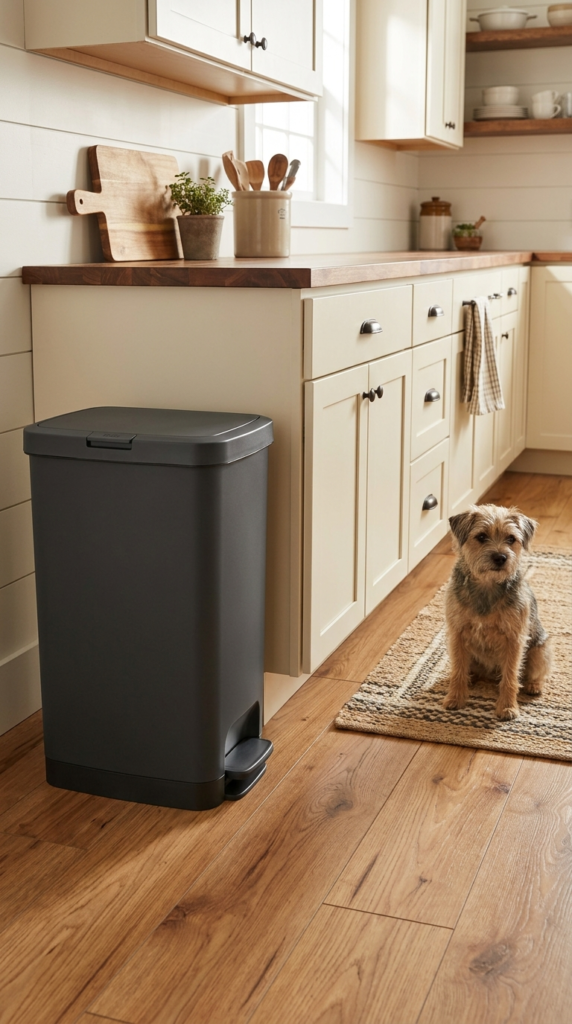
Curious noses find trash fast. A pet-proof can uses a locking lid and a weighted base, so dogs, cats, and toddlers can’t tip it or pry it open. A 13-gallon size works well here, because it’s tall enough to stay stable yet fits most corners. If you’ve asked what size kitchen trash can suits a home with pets, mid-size with a latch is a solid answer. Pick a matte charcoal or steel finish, and it looks sleek instead of bulky. The result is a calm kitchen without midnight spills or scattered wrappers.
Small details make it work. Test the lid by pushing it with your hand and tilting the can slightly, since a good lock should hold firm. In my experience, a step pedal with a slow-close lid also keeps noise from startling nervous pets. Keep the can away from heat sources and snacks that tempt animals nearby. Wipe the lid weekly, because food smells linger there. Once it’s set up well, you’ll notice no tipped bins, fewer messes on the floor, and a more relaxed kitchen where both you and your pets feel comfortable every day.
Foot Pedal Bin
- Opens hands-free, so messy fingers stay off the lid
- Slow-close lids keep the kitchen quiet
- Closed lids trap odor between uses
- Works for most households at 8 to 13 gallons
Your hands are busy, so your foot should do the work. A step pedal bin opens the lid with one gentle press, which keeps raw chicken juices and sticky fingers away from the handle. Most pedal models hold 8 to 13 gallons, enough for a typical household. Pick one with a slow-close lid, and the kitchen stays quiet during late dinners. Stainless steel and soft white finishes suit most cabinet colors. The pedal also keeps the lid shut between uses, which traps odor and discourages flies. It is a simple upgrade that makes everyday cooking feel cleaner and smoother.
Quality varies a lot, so test before trusting it. In my experience, cheap pedals snap after a year because the metal rod is thin. Press the pedal in the store and look for a sturdy hinge and a rubber foot that grips the floor. Place the bin where your foot can reach it without stepping around chairs or rugs. Wipe the pedal and lid every week with warm soapy water. Once it works well, you’ll notice cleaner handles, fewer sticky marks, and a kitchen routine that flows easily from chopping to cleanup without ever stopping to wash your hands.
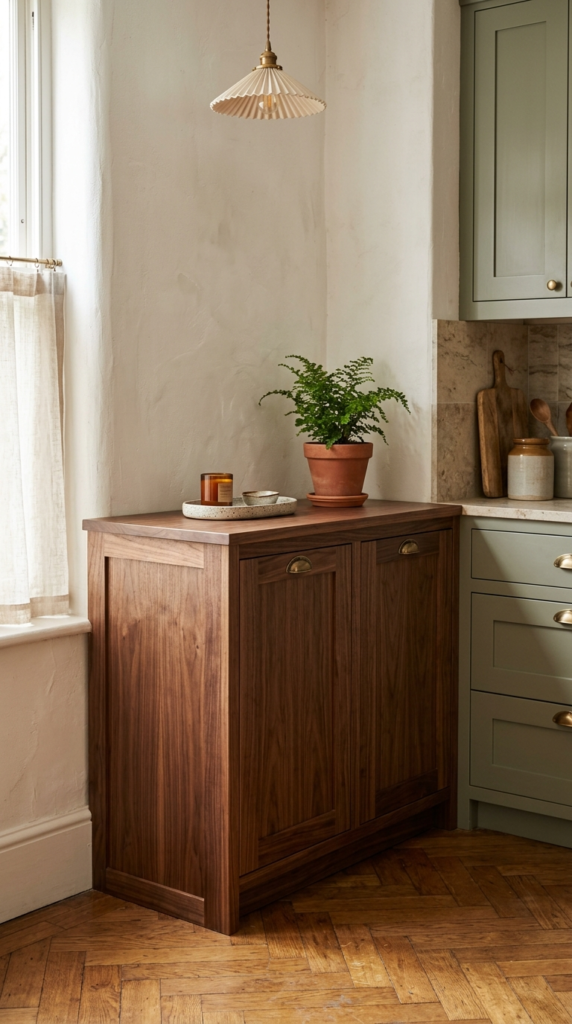
Wooden Bin Enclosure
- Turns a plain bin into a piece of furniture
- The top surface holds plants, keys, or a small tray
- Wood tones add warmth to a cold kitchen
- Hides the bin while keeping bag changes easy
Why hide a trash can when you can dress it up? A wooden enclosure wraps a standard 13-gallon bin in a furniture-style cabinet, so it looks like a small sideboard instead of garbage. The top becomes a handy spot for a plant or a tray of keys. Choose oak, walnut, or a painted finish that echoes your cabinets. Many enclosures include a lift-up lid or a hinged door, which makes bag changes simple. The result is a warm, handcrafted look that softens a hard kitchen and keeps the bin out of sight.
Fit and airflow need attention here. Measure your bin first, then compare it with the inside dimensions of the enclosure, leaving about an inch of space around it. I’ve seen this work well when the can has a removable inner bucket, because it lifts out without scraping the wood. Line the base with a washable mat to protect against leaks, and empty the bin often. Keep it away from the stove, where heat and grease could damage the finish. Once it’s placed, you’ll notice a calmer corner, a more finished room, and trash that disappears behind beautiful wood.
Colorful Retro Bin
- Adds a playful pop of color to a plain kitchen
- Rounded shape feels friendly and decorative
- Suits small households and cozy corners
- Easy to match with towels and small appliances
Who says a trash can has to be boring? A retro-style bin in mint, butter yellow, or soft red adds a playful pop to a plain kitchen. Most vintage-inspired models hold 3 to 5 gallons, so they suit small households and cozy corners. The rounded shape and glossy finish feel cheerful, like a little piece of decor. Pair it with a matching toaster or dish towel for a pulled-together look. It proves that even the most practical item in the room can add personality, color, and a smile to everyday cooking and cleanup.
Color works best with a plan. Pick one shade that already appears in your kitchen, like a tile accent or a mug collection, so the bin feels connected rather than random. Powder-coated steel resists chips better than thin painted metal, which scratches easily. I’ve noticed that glossy finishes show fingerprints quickly, so keep a microfiber cloth nearby. Because retro bins are small, empty them daily and choose snug drawstring liners. Once it’s in place, you’ll notice a brighter corner, a happier mood while cooking, and a kitchen that feels styled with care instead of simply filled with useful things.

Bamboo Eco Bin
- Adds natural texture to a kitchen full of plastic and steel
- Light bamboo tones pair well with white, cream, or sage cabinets
- Removable inner bucket keeps bag changes easy
- Suits couples and small families who cook most nights
Natural materials make a kitchen feel softer. A bamboo bin brings that warmth to a corner that is usually plastic and steel. Most bamboo models hold 6 to 10 gallons, which suits couples and small families who cook most nights. The grain adds texture, and the light tone pairs well with white, cream, or sage cabinets. Many designs also use a removable inner bucket, so bag changes stay easy. It is a gentle swap that keeps daily waste practical while making the whole room feel calmer, greener, and more thoughtfully put together.
Care is what keeps bamboo looking good. Wipe it with a slightly damp cloth, then dry it right away, because standing water can warp the fibers over time. In my experience, bamboo bins with a plastic inner liner handle wet scraps far better than solid wood ones. Keep the bin away from the dishwasher vent and stove, where steam and heat cause cracking. Choose a lid with a slow-close hinge to cut noise. Once it settles in, you’ll notice a warmer corner, less visual clutter, and a bin that feels like decor rather than a necessary eyesore.

Odor Control Lid Bin
- Charcoal filter lid traps smells before they spread
- A tight seal keeps flies and pests away
- Clean white or gray finish keeps the look simple
- Helps most in warm climates and open-plan homes
A fresh kitchen starts with a bin that doesn’t smell. An odor-control bin uses a charcoal filter in the lid and a tight seal, so smells stay inside instead of drifting through the room. Mid-size cans of 8 to 13 gallons work best, because very large ones let waste sit too long. White or light gray finishes keep the look clean and simple. It is a small upgrade that matters most in warm climates and open-plan homes, where lingering smells are noticed very quickly by every guest who walks through the door.
Habits do half the work here. Empty the bin every two or three days, even if it isn’t full, since food waste breaks down fast. I’ve noticed that a sprinkle of baking soda at the bottom of the can, under the bag, makes a real difference. Replace the charcoal filter every few months, and wash the lid weekly with warm soapy water. Tie bags tightly before lifting them out. Once you build the routine, you’ll notice fewer smells, no more holding your breath at the bin, and a kitchen that feels fresh from morning coffee to late dinner.

Conclusion
The right bin doesn’t just hold trash, it quietly makes your kitchen calmer, cleaner, and easier to live in. Now that you know what size kitchen trash can suits your space, household, and habits, the choice feels much simpler. I’ve seen how small changes like these can completely transform a room. Pick one idea that speaks to you and try it this week. Save this post on Pinterest so you can come back anytime, and share it with a friend who’s still wrestling with an overflowing bin. A smarter, prettier kitchen is closer than you think.