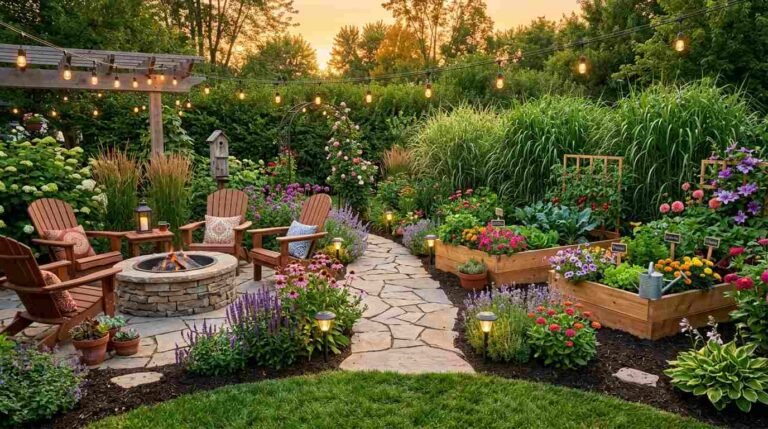
That forgotten patch behind the fence does not have to stay empty grass and weeds forever. With the right vintage decor ideas spaces, even the most awkward angle can become the prettiest part of the whole yard. From a cozy fire pit nook to a layered perennial border, these ideas turn wasted corners into real destinations worth walking to, in the same spirit of collected charm you will find in good . Every idea here works in a real backyard, not just a magazine spread. Get ready to fall for twenty-five-plus gorgeous ways to fill that empty corner with life.
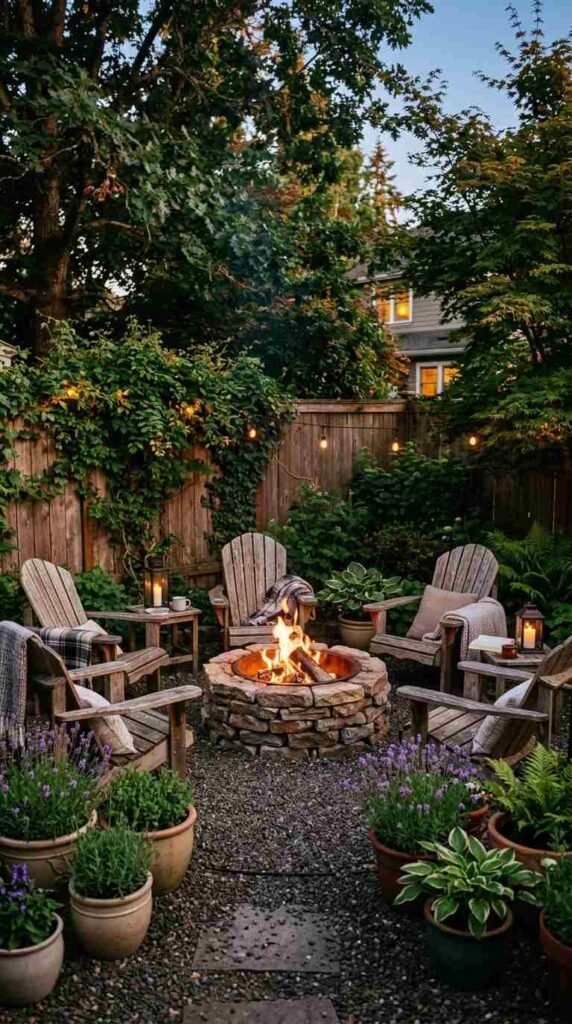
1. A Corner Fire Pit Seating Area
Choosing Seating for a Tight Corner
Pick low-profile chairs, like folding Adirondacks or built-in stone benches, rather than bulky patio furniture that can overwhelm a tight corner. Arranging three or four seats in a loose semicircle around the fire keeps the space feeling open rather than boxed in.
A fire pit corner turns an unused patch of yard into the backyard’s most popular gathering spot, especially once the sun goes down. This cozy destination also gives an awkward angle real purpose instead of leaving it as empty grass.
Choose a compact fire pit sized to the corner’s actual footprint, leaving at least three feet of clearance on all sides for safety. Add a small side table for drinks so the space feels functional as well as beautiful.
2. A Vertical Garden Wall
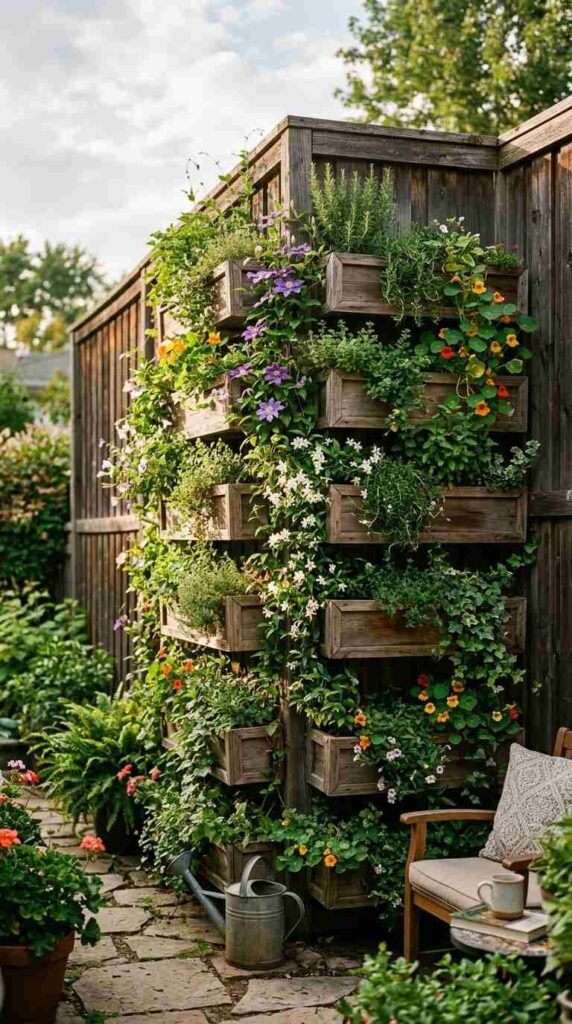
A vertical garden makes use of unused fence or wall space in a corner, letting you grow far more plants than flat ground space alone could hold. This space-saving trick is especially useful in corners too narrow for traditional garden beds.
Choose a modular planter system that attaches directly to an existing fence for the easiest installation. Mix trailing and upright plants across different rows for a layered, textural display that fills the vertical space fully.
3. A Corner Herb Garden Bed
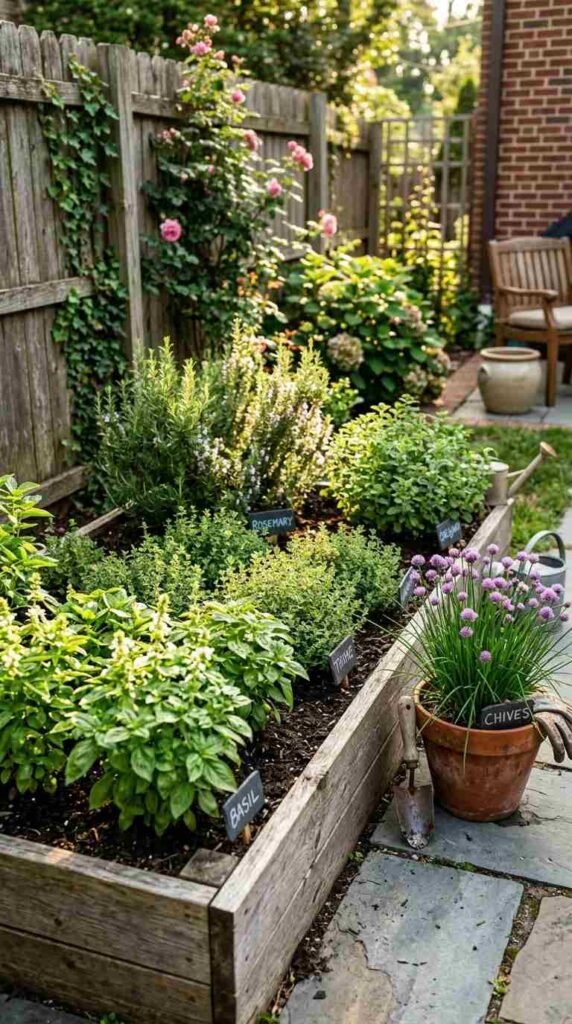
A corner herb garden turns an unused sunny patch into something genuinely useful for everyday cooking, not just decorative greenery. This practical approach also means the space earns its keep well beyond just looking pretty.
Choose a corner that gets at least six hours of sun daily, since most culinary herbs need strong light to thrive. Plant taller herbs like rosemary toward the back and low-growing thyme or oregano along the front edge for easy harvesting.
4. A Shaded Reading Nook
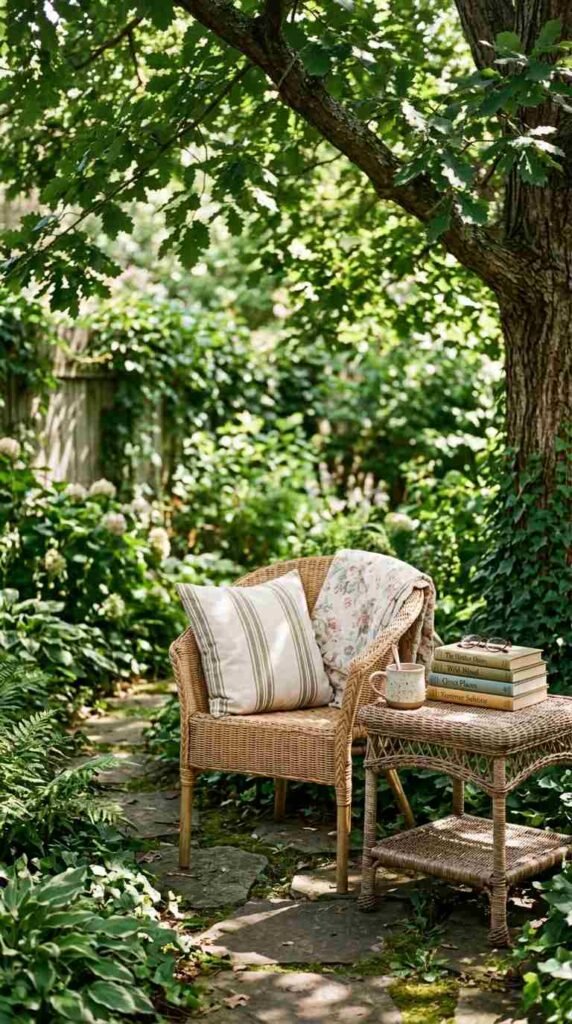
A shaded reading nook gives a quiet corner real personal purpose, turning it into a favorite spot to escape for even just twenty minutes. Shaded corners especially benefit from this treatment, since they often go underused compared to sunnier parts of the yard.
Choose a comfortable outdoor chair with a weatherproof cushion, and add a small side table for a drink or book. Position the nook facing the garden rather than the house for the most peaceful, escape-like feeling.
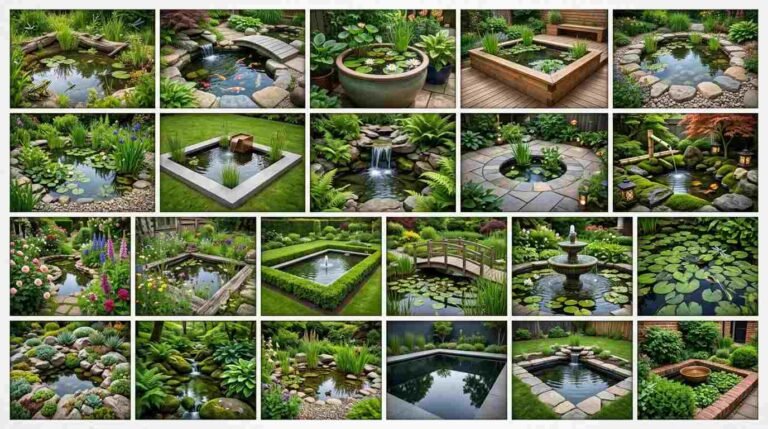
5. A Corner Water Feature
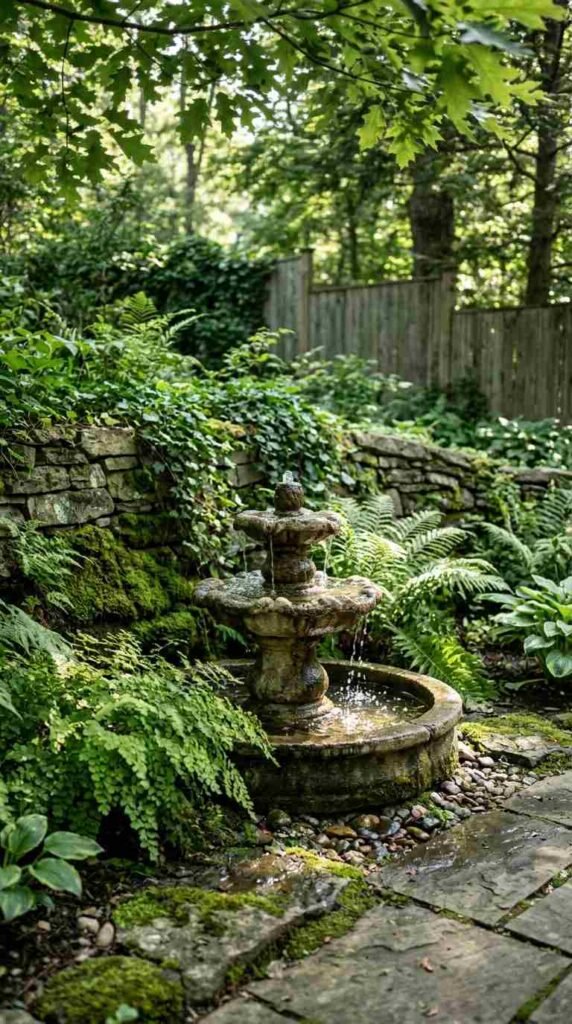
A water feature brings gentle sound and movement to an otherwise still corner, masking street noise while adding real sensory interest. This calming addition often becomes the most peaceful spot in the entire backyard.
Choose a self-contained fountain that does not require extensive plumbing for the easiest corner installation. Surround the base with shade-loving plants like ferns or hostas to soften the fountain’s edges naturally.
6. A Raised Corner Planter Bed
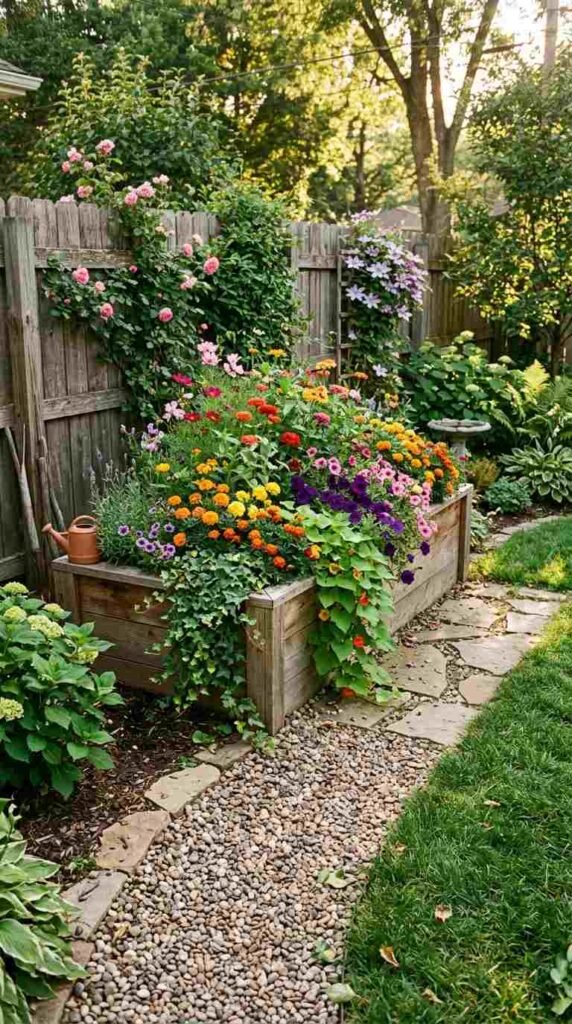
A raised planter bed defines an awkward corner clearly while also improving drainage and soil quality compared to planting directly in the ground. This structured approach makes even a tricky, oddly shaped corner feel intentional and tidy.
Build the bed to match the corner’s exact angle rather than forcing a standard rectangular shape into the space. Fill it with a mix of heights, taller plants toward the back corner and shorter ones spilling over the front edge.
7. A Corner Pergola with Climbing Vines
Choosing the Right Climbing Plant
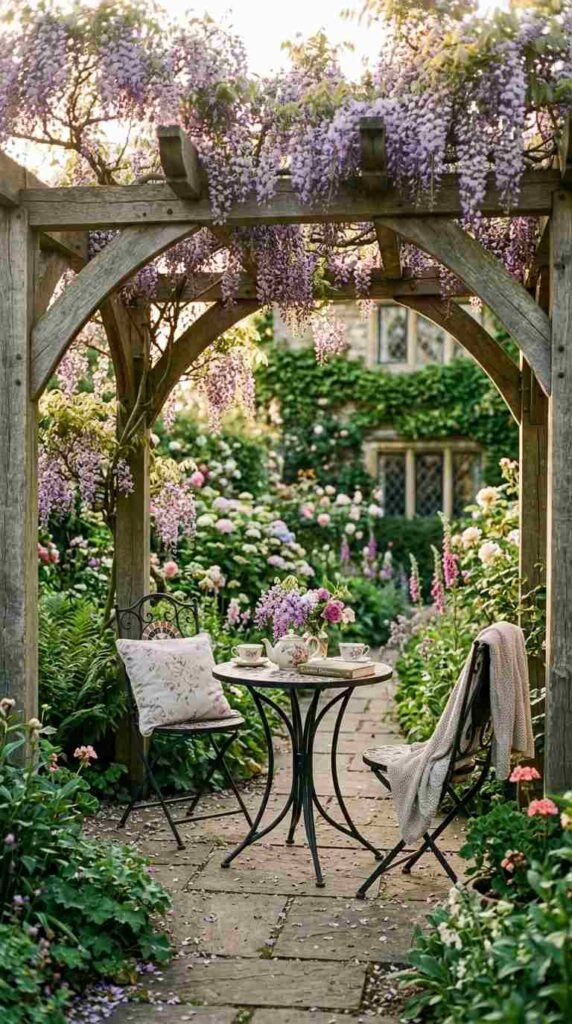
Choose a vigorous climber like wisteria or climbing hydrangea for a pergola, since these vines fill overhead structures quickly and create real shade within a season or two. Avoid overly aggressive vines near structures without regular pruning, since some can grow faster than expected.
A corner pergola adds vertical structure and shade to an otherwise flat, underused part of the yard. This architectural feature also gives climbing plants a real purpose, turning simple vines into a lush, living ceiling.
Position the pergola so it frames a view or seating area beneath it, rather than standing alone with nothing underneath. Train vines gently along the beams as they grow rather than letting them tangle randomly for the neatest look.
8. A Layered Perennial Border
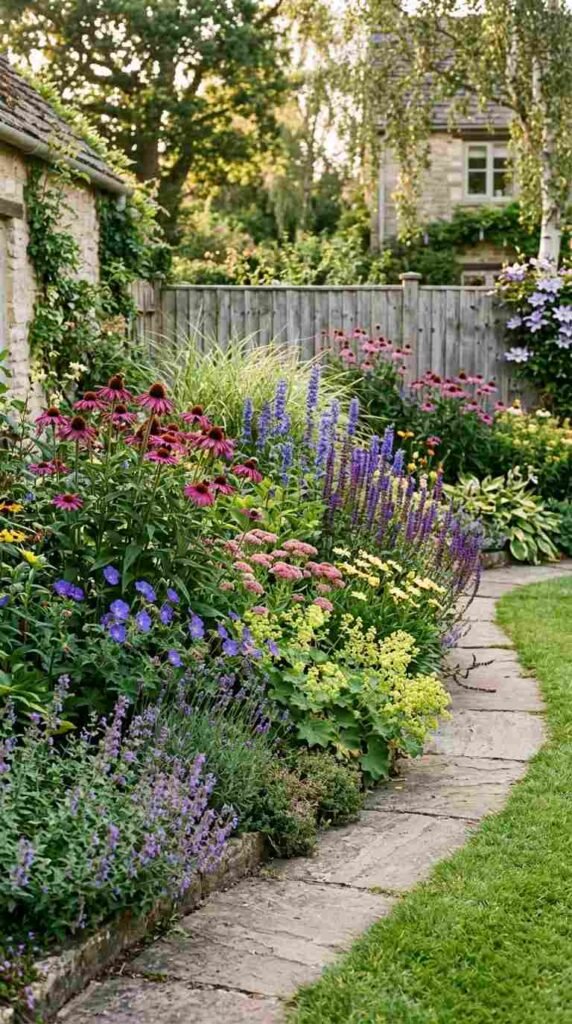
A layered border fills a corner with continuous color and texture throughout the growing season, since different perennials bloom at different times. This layered approach also creates natural depth that a single flat row of flowers cannot achieve.
Plant taller perennials, like coneflowers or black-eyed Susans, toward the back corner and shorter blooms along the front edge. Choose a mix of bloom times so something is always flowering from spring through fall, and if you want more layout inspiration, plenty of home decor online boards showcase these same layered border combinations.
9. A Corner Rock Garden
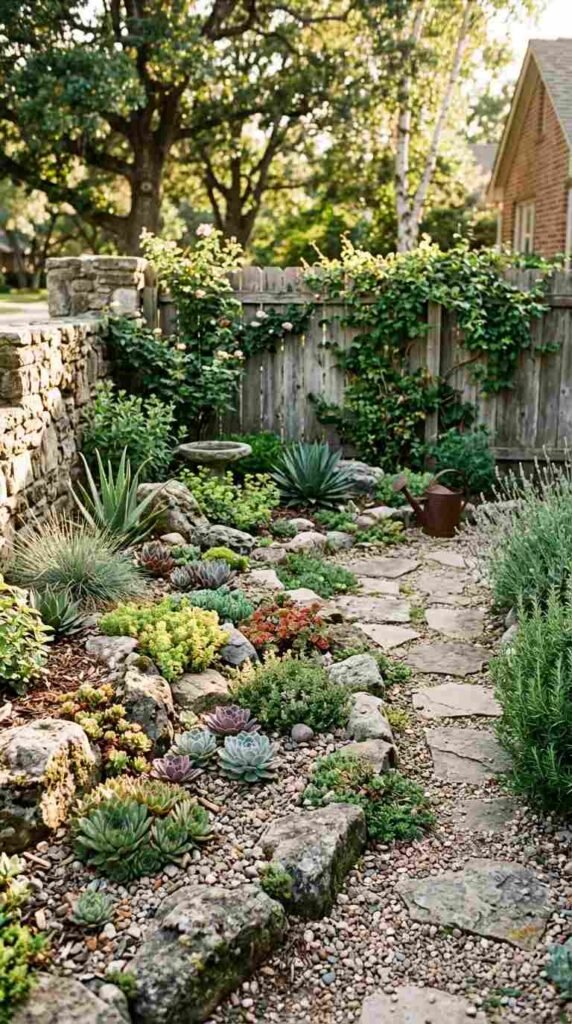
A rock garden works especially well in a dry, sunny corner where grass often struggles to grow anyway. This low-maintenance approach also requires far less water and upkeep than a traditional flower bed once established.
Choose stones in varying sizes and arrange them naturally, as though they settled there over time rather than being placed. Plant drought-tolerant succulents or sedum in the gaps between rocks for color without heavy watering needs.
10. A Potting Bench Station
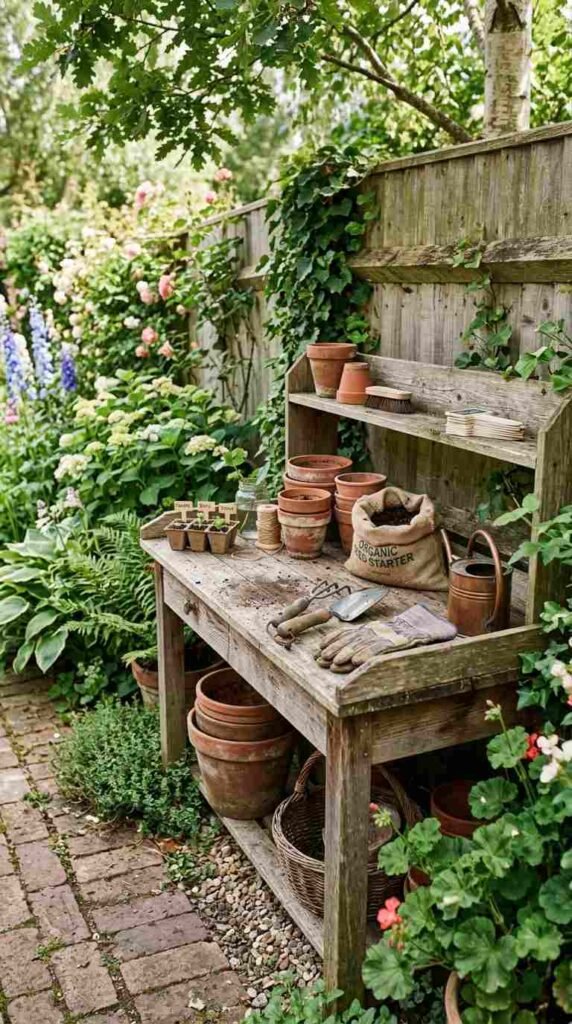
A potting bench gives an unused corner real function, creating a dedicated workspace for repotting and planting instead of hauling supplies across the yard. This practical addition often becomes one of the most-used spots in the whole garden.
Choose a bench with a built-in shelf or drawer for storing tools and pots out of the weather. Position it near a water source if possible, so cleanup and watering stay convenient during projects.
11. A Corner Hammock Nook
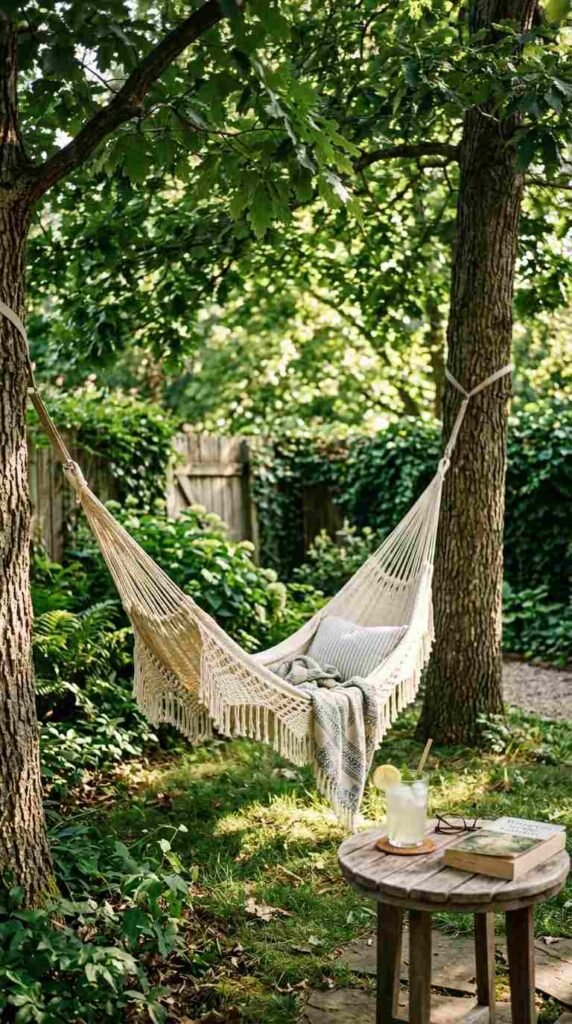
A hammock nook transforms an unused corner into an instant relaxation spot, especially when tucked beneath natural shade from existing trees. This simple addition often becomes the most requested spot in the yard for lazy afternoons.
Hang the hammock between two sturdy trees spaced at the manufacturer’s recommended distance for safety. Add a small side table nearby for drinks or a book, keeping the whole setup simple and low-maintenance.
12. A Butterfly Garden Corner
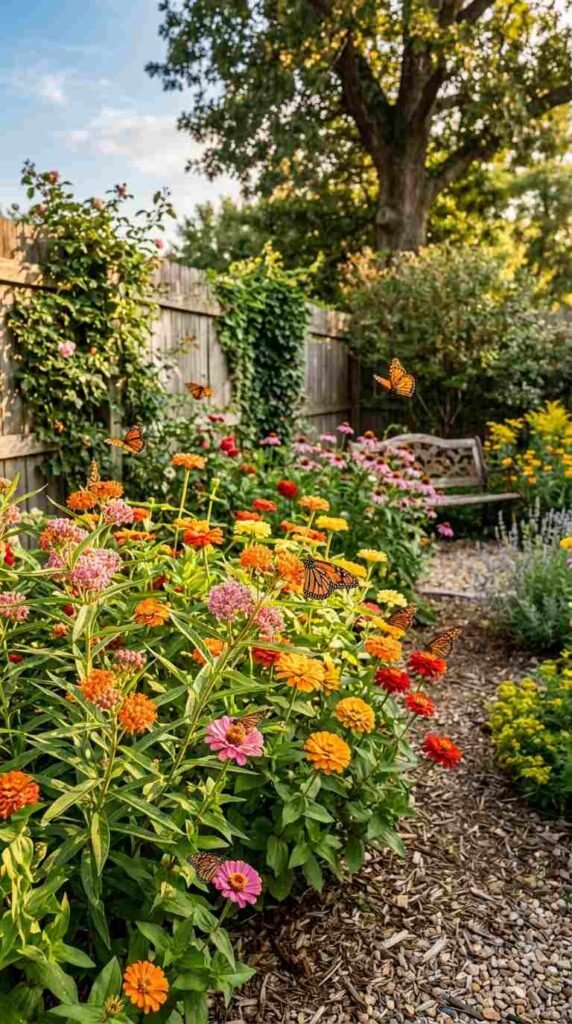
A butterfly garden brings real movement and life to a corner, turning a quiet patch of yard into an ever-changing show throughout the growing season. This wildlife-friendly approach also supports pollinators that benefit the whole garden.
Choose native flowering plants like milkweed, zinnias, and coneflowers that attract butterflies in your specific region. Avoid pesticides in this corner entirely, since even organic treatments can harm the butterflies you are trying to attract.
13. A Corner Vegetable Garden Bed
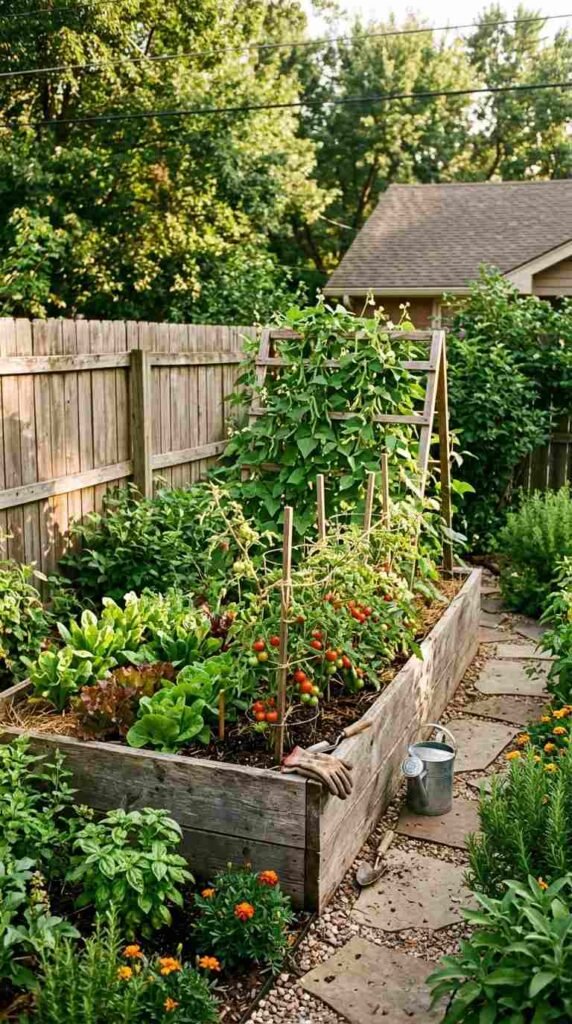
A corner vegetable bed puts an unused sunny patch to genuinely productive use, giving the household fresh produce right outside the door. This practical approach makes the corner one of the most rewarding spots in the entire yard.
Choose a corner with at least six hours of direct sun for most vegetable varieties to thrive properly. Use vertical trellises for climbing plants like beans or cucumbers to maximize growing space within a tight corner footprint.
14. A Gravel Patio Corner
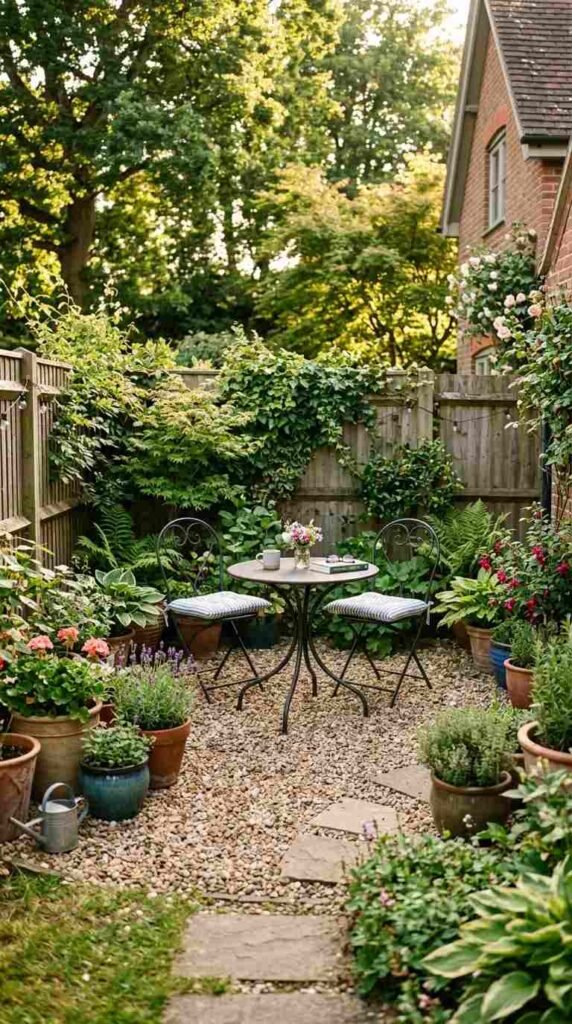
A gravel patio offers an affordable, low-maintenance way to define a corner as a real outdoor living space rather than leftover grass. This simple hardscaping solution also drains well and requires none of the mowing or edging grass demands.
Choose a landscape edging material to contain the gravel and keep it from spreading into surrounding beds. Add a simple bistro set and a few potted plants around the border to make the space feel finished and inviting.
15. A Corner Trellis with Climbing Roses
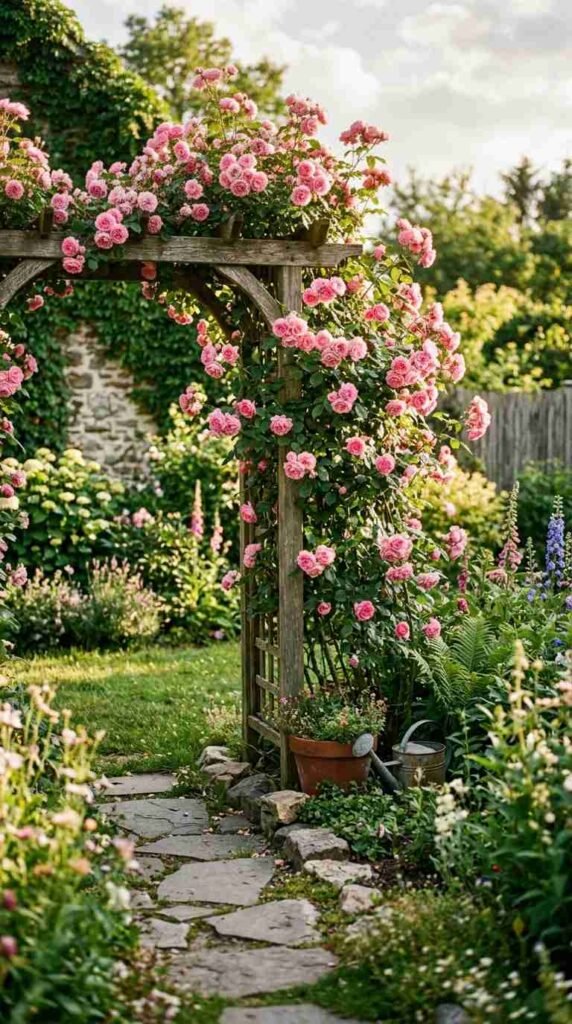
A rose trellis turns a plain corner into a romantic focal point, especially once the climbing variety fills in fully after a season or two of growth. This vertical feature also adds real height and softness to an otherwise flat garden corner.
Choose a sturdy trellis anchored firmly into the ground, since mature climbing roses can grow quite heavy over time. Train new canes gently along the trellis structure as they grow rather than letting them sprawl unsupported.
16. A Meditation Garden Corner
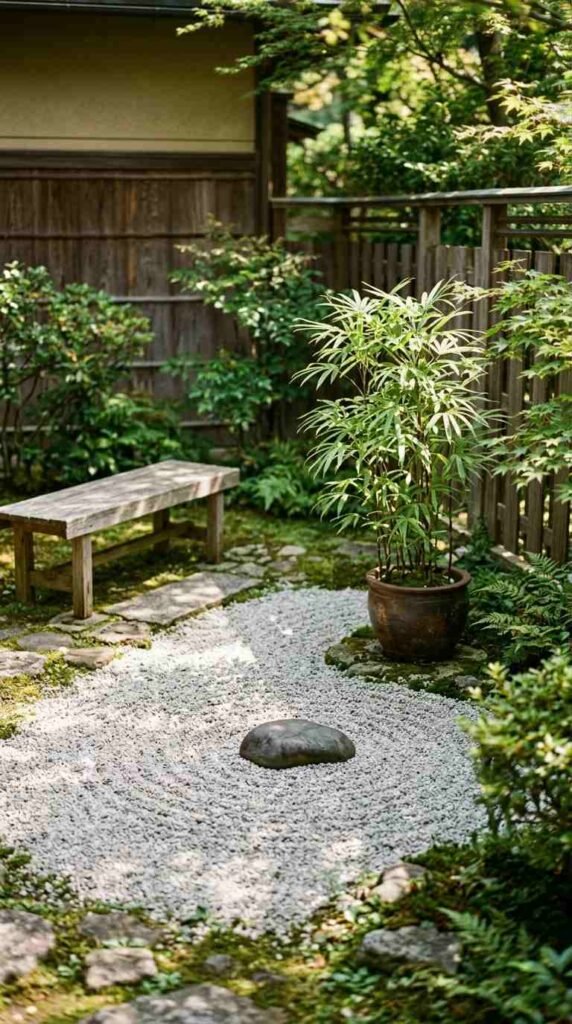
A meditation corner gives a quiet backyard angle a genuine sense of purpose, offering a small retreat for a few peaceful minutes each day. This simple, uncluttered approach works especially well in a shaded or partially hidden corner.
Keep the plant palette minimal, using just one or two calming elements like bamboo or a small Japanese maple. Add a simple bench or stone seat facing the arrangement so the corner invites you to actually sit and pause.
17. A Corner Bird Bath Feature
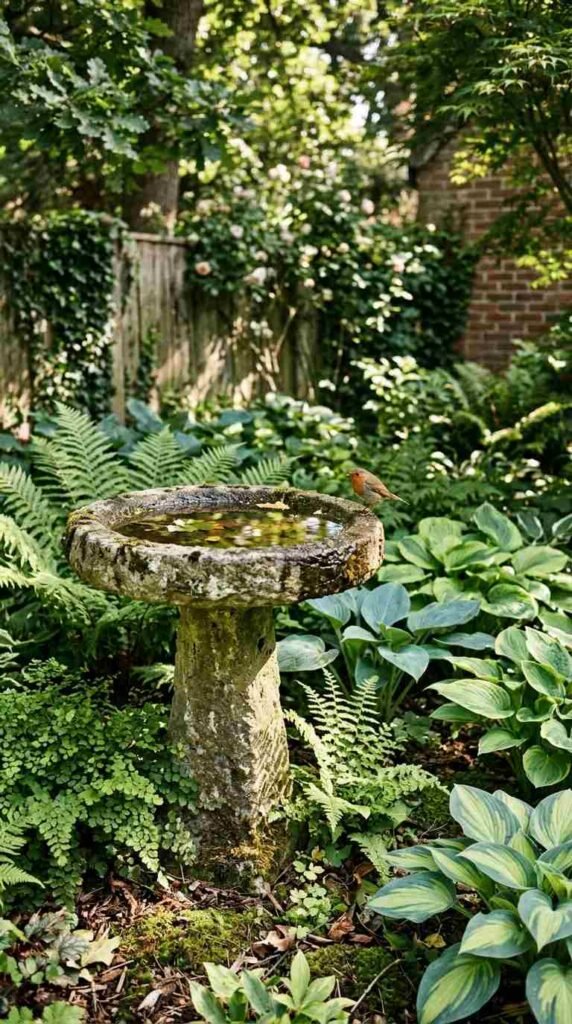
A bird bath brings genuine wildlife activity to a quiet corner, giving the space a lively, ever-changing quality throughout the day. This small addition also requires very little maintenance beyond occasional water refills and cleaning.
Place the bird bath in a partially shaded spot to keep the water from evaporating too quickly in direct sun. Surround the base with low, shade-tolerant plants to give birds a sense of shelter while they visit.
18. A Layered Container Garden
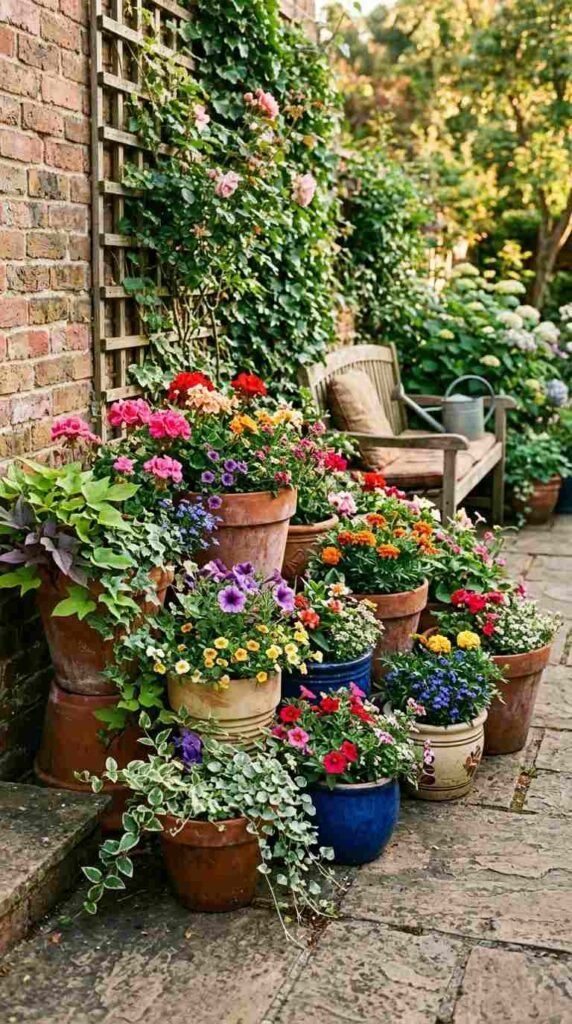
A container garden offers a flexible way to fill an awkward corner without any digging or permanent commitment. This approach also lets you easily change the display seasonally or move pots around as your style evolves.
Group pots in three different heights, using plant stands or overturned crates to add elevation where needed. Choose a cohesive color palette across the containers themselves so the layered display feels intentional rather than mismatched.
19. A Corner Bench with Overhead Arbor
Choosing Arbor Materials
Choose pressure-treated wood or powder-coated metal for an arbor that will hold up to years of outdoor weather without frequent maintenance. Cedar is a popular natural option too, since it resists rot and insects better than untreated pine.
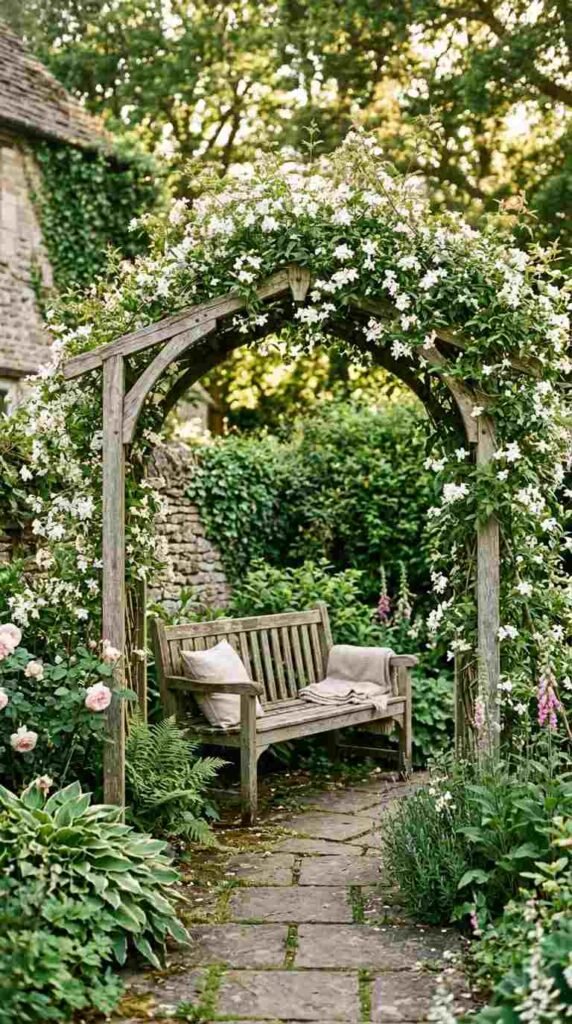
A bench and arbor combination gives a corner both seating and overhead shade, making it a genuinely comfortable spot to spend time. This layered structure also adds real architectural height to an otherwise flat part of the yard.
Position the bench facing outward toward the garden rather than the house for the most relaxing view. Train a fragrant climber like jasmine over the arbor so the seating area smells as good as it looks.
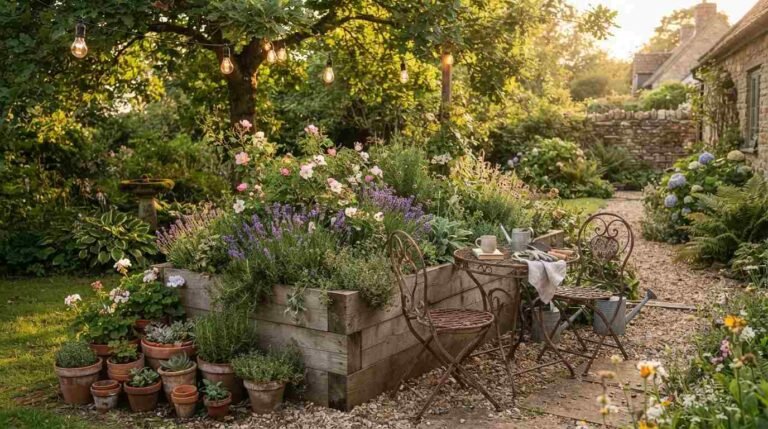
20. A Cottage Garden Corner
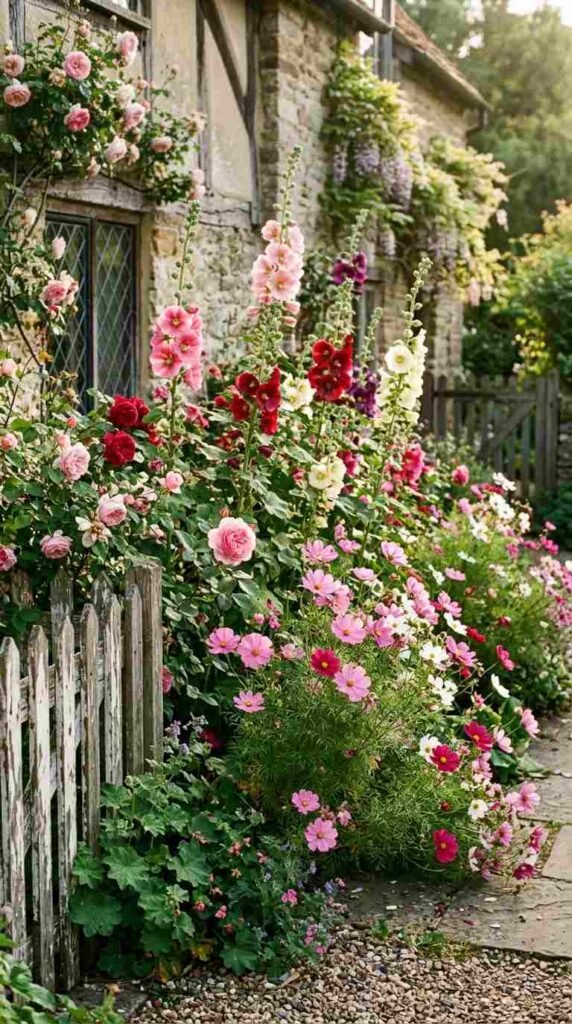
A cottage garden corner embraces a relaxed, slightly wild planting style that feels romantic and effortless rather than rigidly manicured. This loose, layered approach also tends to be more forgiving for beginner gardeners than formal designs.
Mix tall, medium, and low-growing flowers together without strict rows, letting plants intermingle naturally as they would in an English cottage garden. Choose old-fashioned favorites like hollyhocks, roses, and cosmos for the most authentic, nostalgic feel.
21. A Corner Fairy Garden
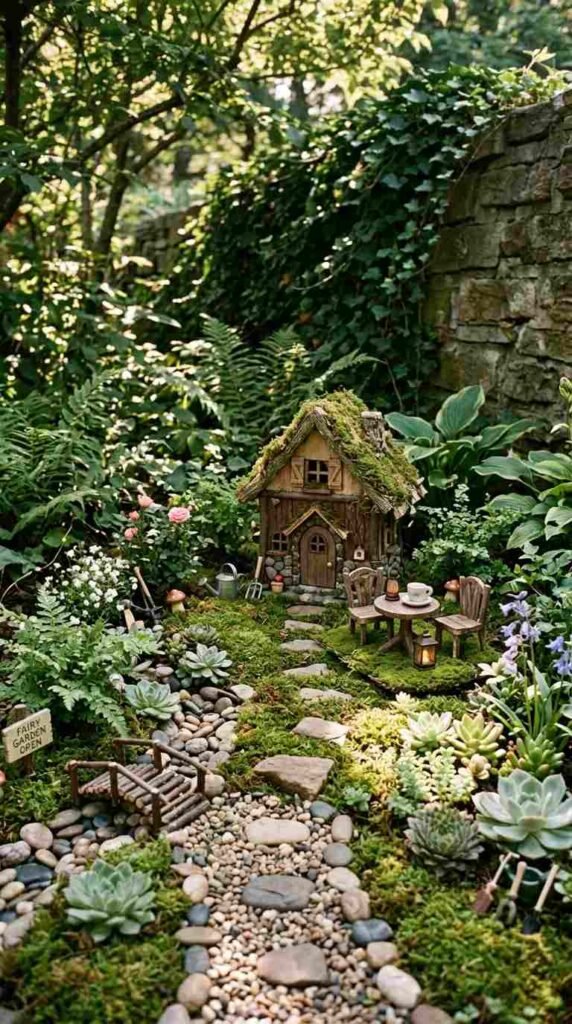
A fairy garden brings playful, whimsical detail to a small, often-overlooked corner, especially one too tiny for larger garden features. This miniature world also makes a wonderful project to build together with kids or grandkids.
Choose a corner with partial shade to protect delicate miniature accessories from fading in direct sun. Layer moss, small stones, and tiny plants to create a realistic sense of scale within the compact scene.
22. A Xeriscape Corner Bed
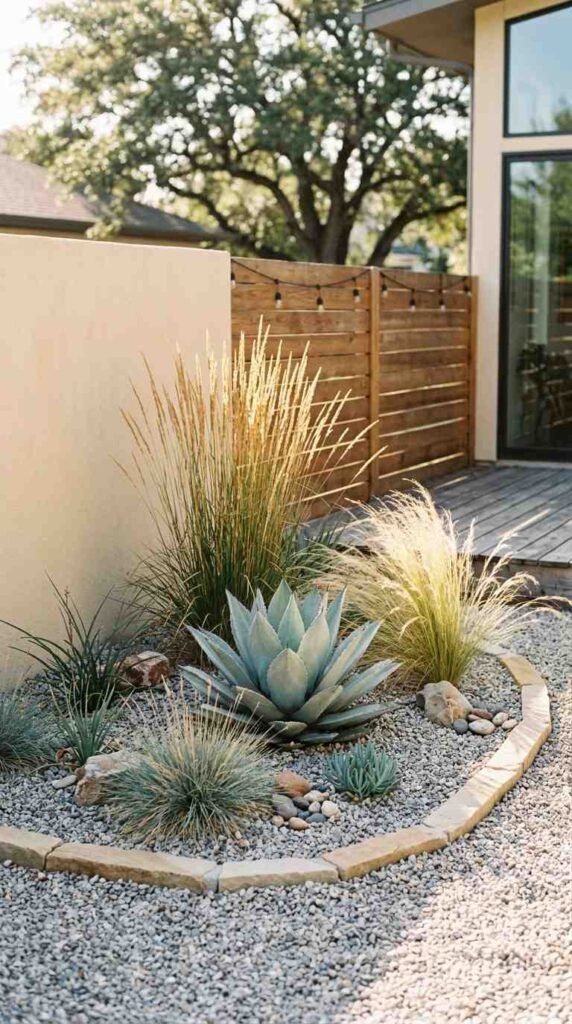
A xeriscape bed turns a hot, dry corner into a genuinely thriving garden feature using drought-tolerant plants instead of fighting against the site’s natural conditions. This water-wise approach also cuts down significantly on maintenance once plants are established.
Choose plants suited to your specific climate, like ornamental grasses, agave, or yucca, depending on your region’s typical rainfall. Use gravel or decomposed granite as mulch instead of traditional bark for a look that matches the drought-tolerant plant palette.
23. A Corner Compost Station
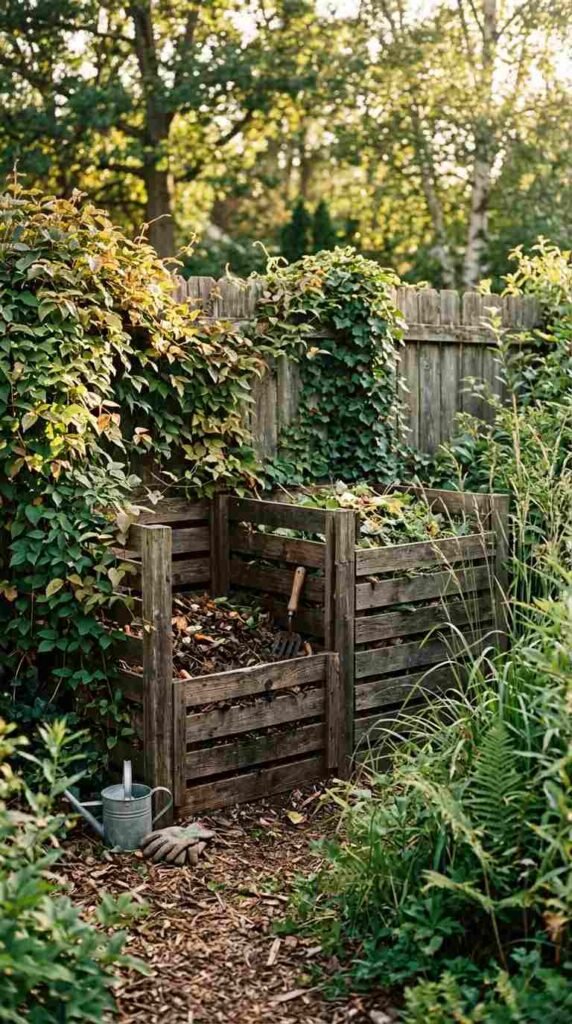
A compost station gives a hidden or less attractive corner genuine practical value, turning kitchen scraps and yard waste into rich soil for the rest of the garden. This functional addition works especially well in a corner that gets partial shade and is slightly out of the main sightline.
Choose a bin with good airflow and easy access for turning the compost regularly. Screen the station with tall grasses or a simple lattice panel so it stays functional without becoming an eyesore.
24. A Native Plant Corner Bed
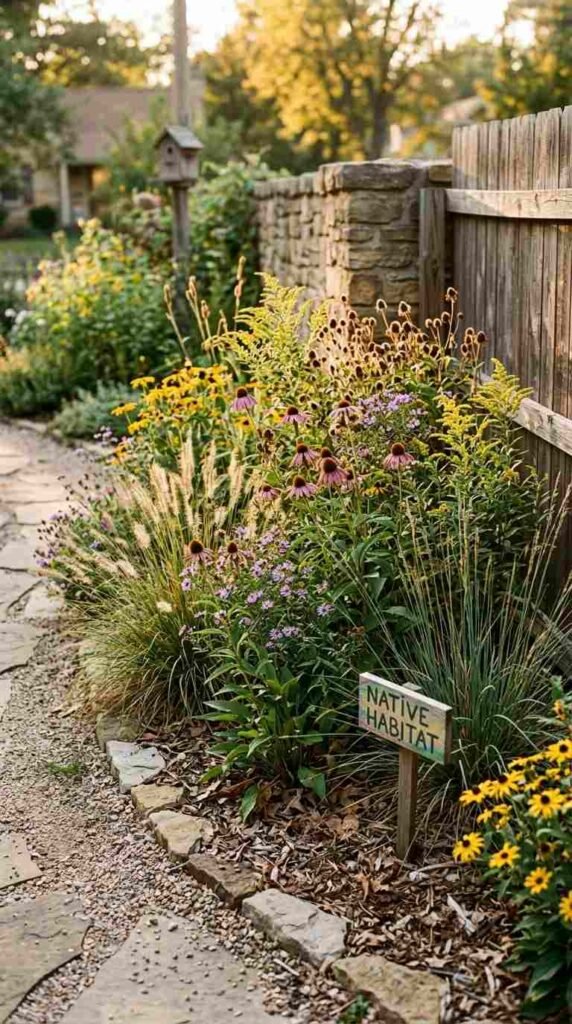
A native plant bed fills a corner with species already adapted to your local climate and soil, which means far less watering and fertilizing than non-native alternatives require. This ecological approach also supports local pollinators and wildlife in a meaningful way.
Research which native wildflowers and grasses thrive in your specific region before selecting plants for the corner. Let the bed grow slightly wild and naturalistic rather than over-pruning, since this looser style suits native plantings best.
25. A Corner Lighting Display
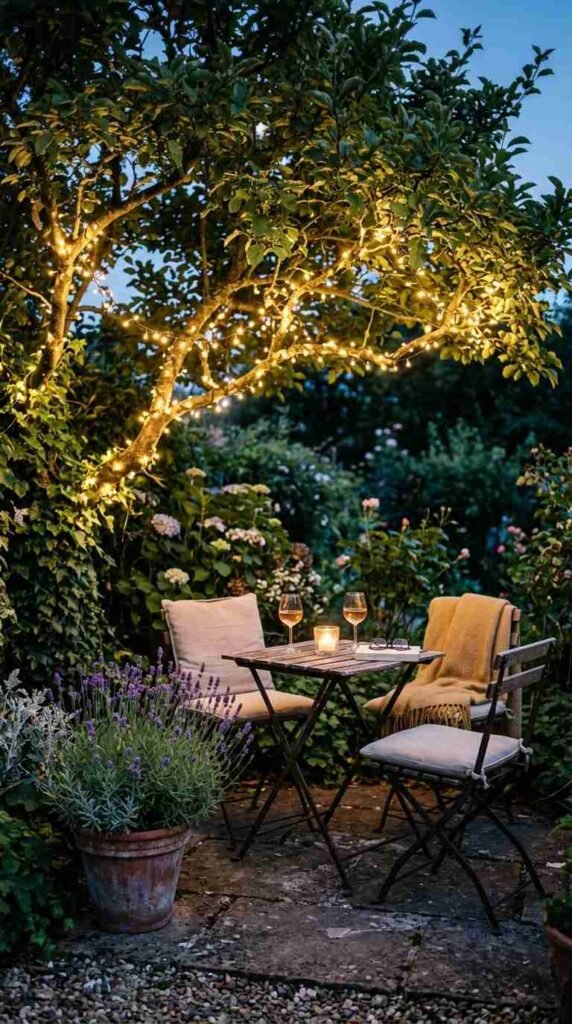
Corner lighting extends the usable hours of an outdoor space well into the evening, turning a daytime-only corner into a nighttime destination too. This simple addition often does more to change a corner’s mood than any single plant or piece of furniture.
Drape warm white string lights through tree branches or along a fence line rather than using cool-toned bulbs. Add a few solar path lights along any walkway leading to the corner so the whole route feels inviting after dark.
FAQS
1. What is the best way to use an awkward backyard corner?
A layered planting bed with varying heights, from tall shrubs to low ground cover, fills the space beautifully. Adding a small bench or bistro chair turns it into a cozy retreat too.
2. What plants work well in a shaded backyard corner?
Hostas, ferns, and hydrangeas thrive in shadier spots and add lush texture. Pair them with a layer of mulch or gravel to keep the area looking tidy year-round.
3. Can I add seating to a small garden corner?
Yes, a single bistro chair or a small bench fits nicely into most corners. Choose a compact, weather-resistant piece so it does not overwhelm the limited space.
4. What is a good focal point for a corner garden?
A small water feature, a decorative planter, or a trellis with climbing vines all work well. These pieces draw the eye and give the corner a clear sense of purpose.
5. How do I add privacy to a backyard corner?
Tall grasses, a small trellis with climbing plants, or a simple lattice screen all add privacy without blocking too much light. Choose options that fit the corner’s actual size.
6. Should I use pots or plant directly in the ground?
Both work well, but pots offer more flexibility for smaller or awkward corners, especially if the soil quality varies. Grouping a few pots at different heights adds instant interest.
7. What lighting works well in a garden corner?
String lights or a single solar lantern add a warm glow for evenings without requiring electrical work. This small touch makes the corner feel inviting after dark.
8. Can a corner garden work in a very small backyard?
Yes, even a compact corner can hold a few potted plants, a small chair, and a decorative accent. Scaling everything down keeps the space feeling proportional rather than cramped.
9. What is the easiest low-maintenance option for a corner?
Native plants and drought-tolerant succulents require little upkeep once established. Adding a layer of mulch also helps reduce weeding and watering needs.
10. How do I make a corner garden feel finished?
Adding a border, whether stone edging or a small fence, gives the space defined boundaries. A single focal piece, like a statue or birdbath, also helps pull the look together.
Conclusion
An unused backyard corner has more potential than most people realize, and a few thoughtful touches can turn it into a favorite outdoor spot. Layered plantings, a cozy seat, and a simple focal point go a long way toward making the space feel intentional. Start with one small change, like adding a chair or a potted plant, and build from there as your corner comes together. Try one idea this weekend and see how much charm a small corner can hold.