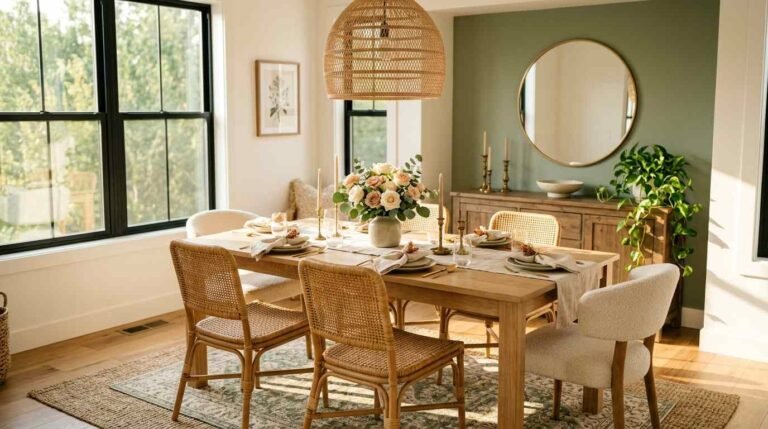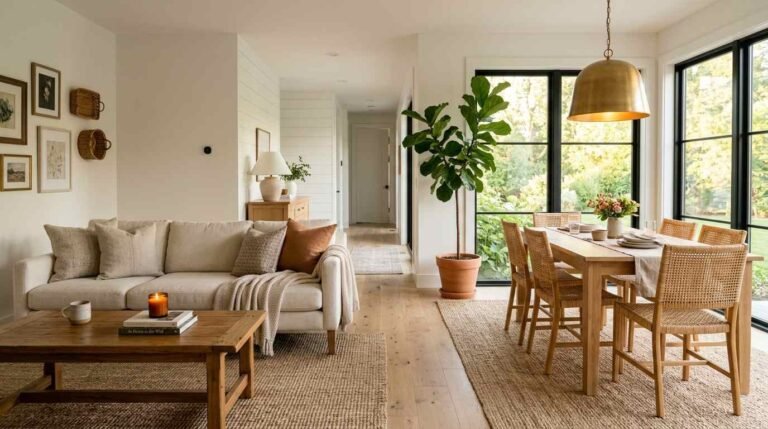
Ever walk into a formal dining room and feel the whole mood shift the moment you sit down? Formal dining room decor has a way of turning an ordinary meal into an occasion, but getting that polished look can feel intimidating. Many people worry it will feel stiff, expensive, or too serious for real life. In my experience, elegance comes from a few well-chosen details, like a beautiful chandelier, layered linens, and soft candlelight, rather than a room full of extras. Inside, you’ll find 22 timeless ideas, from wainscoting and rich wood tables to crystal accents and seasonal tablescapes, all designed to feel warm and welcoming. I’ve seen how a few thoughtful upgrades can make a dining room truly memorable.
1. Elegant Chandelier Lighting That Sets the Mood

- Creates an instant focal point above the table
- Adds sparkle and warmth to evening dinners
- Sets the tone for the entire room
- Works in crystal, brass, or sleek modern styles
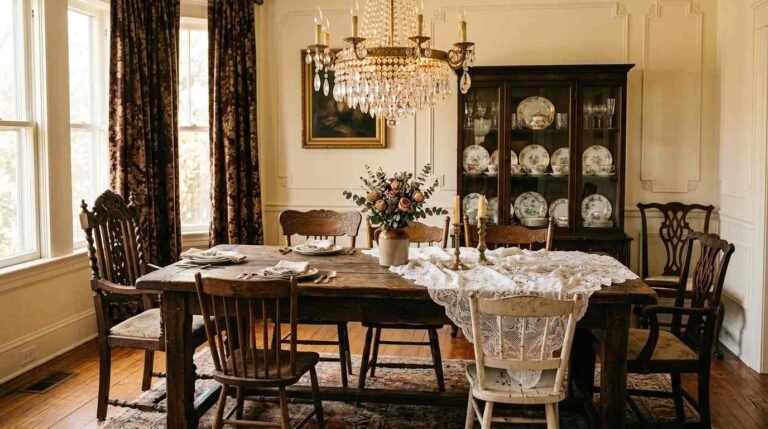
A chandelier is the jewelry of a dining room. Hung above the table, it draws the eye upward and tells everyone this is a room for special meals. This is one of the upgrades that changes the mood faster than paint or furniture ever could. In my experience, the fixture should be about half the width of the table so it feels generous but never crowded. Crystal adds sparkle, while brass or wrought iron feels warmer and more traditional. Whatever you choose, it becomes the anchor the rest of the room follows.
Placement and lighting control make the difference. Hang the fixture roughly 30 to 36 inches above the tabletop so it lights the table without blocking anyone’s view. Put it on a dimmer, because bright light feels harsh and a soft glow feels luxurious. I’ve noticed that warm-toned bulbs make crystal and metal look richer, while cool bulbs can flatten the whole room. If the ceiling is high, choose a longer, layered design that fills the vertical space. Add a ceiling medallion for a classic, finished touch that makes the chandelier look like it has always belonged.
2. Classic Wainscoting Wall Treatment

- Adds architectural depth to plain walls
- Protects walls from chair scuffs
- Creates a timeless, tailored look
- Works painted in white, gray, or deep tones
Wainscoting gives a dining room bones. Panels along the lower third of the wall add shadow lines and depth that flat paint simply cannot match. It feels tailored, traditional, and quietly expensive. In my experience, this is one of the few upgrades that makes a room look finished before a single piece of decor goes up. It also does real work, protecting walls from chair backs and everyday scuffs. Choose classic raised panels for a traditional room, or simple flat panels and battens for a cleaner look that suits both older and newer homes.
Paint choice changes the whole personality. Crisp white feels fresh and classic, while soft gray keeps things calm and modern. For more drama, paint the wainscoting and wall above it in one deep color, like navy or charcoal, so the panels read as texture rather than contrast. I’ve seen this look especially striking with a semi-gloss finish on the panels and a matte finish above. Top the panels with a simple chair rail, then hang artwork or a mirror above it. The result feels custom, polished, and perfectly suited to a formal dinner.
3. A Statement Area Rug Underfoot

- Anchors the table and chairs as one group
- Adds warmth, color, and softness underfoot
- Helps quiet echoes in a hard-floored room
- Pattern can carry the whole color scheme
A great rug ties a formal dining room together from the floor up. It anchors the table and chairs as one group, adds softness, and gives the room a color story to build on. A bold pattern or rich Persian-style design can carry the entire palette. In my experience, the rug is often the piece that makes people say the room feels complete. It also helps absorb the echo that hard floors create, so conversation feels warmer and more relaxed during long dinners with family and guests. It is a simple upgrade with a big payoff.
Size is where most people go wrong. Choose a rug large enough that every chair stays on it, even when pulled out, which usually means extending about 24 inches past the table on each side. A rug that is too small makes the whole room feel unsettled. Measure twice before buying. Low-pile or flatweave styles are easier for chairs to slide on and simpler to clean after meals. I’ve noticed that a rug in a slightly deeper tone than the walls adds richness, while a lighter one keeps a dark room feeling open.
4. Formal Table Setting with Fine China

- Turns an ordinary dinner into an occasion
- Layered plates give the table depth
- Works with heirloom, vintage, or new china
- Simple rules keep the setting looking correct
A formal table setting is a small piece of theater. Fine china, polished flatware, and crystal glasses catch the light and signal that tonight matters. Start with a charger, layer a dinner plate on top, then add a salad plate or soup bowl if the menu calls for it. In my experience, guests notice the care immediately, even before the food arrives. White or ivory china with a thin gold or platinum rim is timeless, and it pairs with almost any room color or tablecloth you already own. Heirloom sets work beautifully too.
Placement follows a few simple rules. Forks go on the left, knives and spoons on the right with blades facing the plate, and glasses sit above the knife. Fold each napkin neatly or slip it through a ring for a polished finish. That’s why many designers recommend keeping the setting symmetrical, with every place matching exactly. Mixing heirloom china with newer pieces is fine as long as the colors stay related. Add a small place card or a sprig of greenery on each plate, and the table feels personal, generous, and beautifully prepared for guests.
5. Comfortable Upholstered Dining Chairs

- Keeps guests comfortable through long dinners
- Adds color, pattern, and softness
- Performance fabrics handle spills
- Mixing host chairs and side chairs adds interest
Comfort is the secret ingredient of a truly formal dining room. Upholstered chairs invite guests to stay for one more course and one more story. Velvet, linen, and tightly woven performance fabrics all add softness while keeping the look refined. In my experience, people remember how a room felt long after they forget the menu, and a supportive seat makes a big difference. Choose a seat height that suits your table, usually about 12 inches below the tabletop, and look for a gently curved back that supports posture through long dinners.
Fabric and style choices shape the mood. Performance velvet resists stains and looks luxurious, while a soft neutral linen blend keeps things calm and classic. Try armchairs at the two ends of the table and matching side chairs along the sides for a traditional hierarchy. I’ve noticed that a contrasting fabric on the host chairs adds interest without breaking the formal feel. Nailhead trim, a skirted base, or a slipcover adds a tailored detail. Test the chairs by sitting for a few minutes before buying, because a beautiful chair is only worth it if guests enjoy sitting in it.
6. A Rich Wood Dining Table as the Anchor

- Gives the room a strong, lasting centerpiece
- Deep finishes feel warm and traditional
- Ages beautifully with everyday use
- Sets the scale for the rest of the furniture
The table is the heart of every formal dining room. A rich wood finish in walnut, mahogany, or deep oak gives the space weight, warmth, and a sense of permanence. It feels like furniture meant to be handed down. In my experience, guests instinctively touch and admire a beautiful wood table, so it is worth choosing one with character. Pedestal bases, turned legs, or simple clean lines all work, depending on whether your room leans classic or transitional. Whichever you choose, let the table lead and build the rest of the room around it.
Size and care keep the table looking its best. Leave about 36 inches between the table edge and the wall or sideboard so chairs can move freely, and allow roughly 24 inches of width per guest. Protect the surface with felt pads under serving pieces and a table pad beneath linens. I’ve noticed that a little wear only adds to the charm of good wood. Wipe spills quickly, and condition the wood once or twice a year with a quality furniture wax. Treated well, a wood table grows more beautiful with every dinner it hosts.
7. A Statement Buffet or Sideboard

- Adds storage for china, linens, and serving pieces
- Creates a second styling surface
- Frames the room with a strong furniture piece
- Doubles as a serving station for hosting
A statement sideboard is the second star of the dining room. It stores china, linens, and serving pieces while giving you a long surface to style. In a formal room, a piece with elegant hardware, carved details, or a rich finish adds presence along the wall. In my experience, it also solves a hosting problem by giving dishes somewhere to land before they reach the table. Proportion matters. Choose a length about two-thirds the width of the wall so it looks intentional, and keep the height roughly level with the chair backs.
Styling the top is where the sideboard comes alive. Place a pair of lamps or candlesticks at each end, then add a mirror or artwork above and a low bowl or tray in the middle. Keep the arrangement symmetrical for a formal feel. I’ve seen this work well in many homes, especially when the pieces repeat a metal or color from the table. When guests arrive, clear the center and use the surface as a serving station for dessert, wine, or coffee. Store the everyday items inside, and the top stays elegant and uncluttered.
8. Elegant Drapery and Curtains

- Adds height, softness, and a finished look
- Frames windows like a piece of art
- Helps absorb sound in a hard-surfaced room
- Lined panels control light for evening dinners
Drapery is what makes a formal room feel dressed. Floor-length panels frame the windows, soften the hard lines of wood and glass, and add a layer of luxury. Silk blends, velvet, and heavy linen all hang beautifully and hold their shape. In my experience, curtains are the fastest way to make a room feel taller. Hang the rod close to the ceiling or crown molding, and let the fabric fall to just skim the floor. That simple detail gives even a modest window a grand, tailored appearance that suits a formal dinner.
Fullness and lining are what separate luxury from ordinary. Choose panels that are two to two-and-a-half times the width of the window so the folds look rich when closed. A blackout or thermal lining adds weight, blocks light, and helps soften echoes. I’ve noticed that a solid color in a tone slightly deeper than the walls feels the most elegant, while a subtle pattern adds character. Add tiebacks or holdbacks in brass for a traditional touch. Layer a sheer panel underneath if you want daytime privacy without losing the soft, glowing light.
9. A Curated Gallery Wall Art Display

- Adds personality and depth to a large wall
- Gilded and dark frames feel classic
- Works above a sideboard or on a feature wall
- Grows and changes with your collection
A gallery wall gives a formal dining room its personality. Instead of one lonely frame, a grouping of oil paintings, botanical prints, and portraits creates a wall that rewards a second look. Gilded frames feel classic, while black or dark wood frames look crisp and modern. In my experience, the trick is a consistent thread, like a shared color, frame finish, or subject. That keeps a mixed collection feeling curated instead of chaotic. It is also a lovely way to display inherited art, travel finds, and pieces that carry meaning for the family.
Layout is easier when you plan before hammering. Trace each frame on paper, tape the shapes to the wall, and adjust until the spacing feels right. Keep about two to three inches between frames, and center the group over the sideboard or a focal wall. That’s why many designers recommend starting with the largest piece and building outward. Hang the middle of the arrangement at roughly eye level, around 57 inches from the floor. Picture lights or a soft nearby lamp make the artwork glow in the evening, which suits a formal dinner beautifully.
10. Symmetrical Furniture Arrangement

- Creates instant order and balance
- Feels traditional and calm
- Makes the room look planned and polished
- Works in both large and modest rooms
Symmetry is the quiet language of formality. When the table sits centered in the room, chairs are matched, and the sideboard, lamps, and art mirror each other, the whole space feels calm and composed. The eye rests easily because everything has a partner. In my experience, this is the simplest way to make a room look professionally designed. It doesn’t require expensive pieces, only careful placement. Measure the room, find the center line, and arrange the table, chandelier, and main furniture along it so the whole layout feels deliberate and well proportioned.
Balance doesn’t have to mean identical. A pair of matching sconces or lamps on the sideboard does most of the work, and the rest can vary slightly. I’ve noticed that near-matching pieces, like two different vases of the same height, still read as balanced. Center the table beneath the chandelier, keep the chairs evenly spaced, and place a large mirror or artwork at the middle of the main wall. In smaller rooms, symmetry keeps the layout from feeling cluttered. Even with limited space, a centered arrangement gives the room a strong, elegant structure.
11. Moody Neutral Paint Colors

- Creates a rich, cocooning atmosphere
- Deep tones make wood and metal glow
- Works especially well for evening dining
- Balanced with lighter textiles to avoid heaviness
Moody neutrals give a dining room instant depth. Charcoal, deep taupe, warm greige, and soft espresso feel rich without shouting, and they make candlelight look magical. Because the color wraps the room, the space feels intimate and calm, perfect for long dinners. In my experience, dark walls actually make rooms feel cozier rather than smaller when the lighting is warm. They also make gold frames, white china, and wood furniture stand out beautifully. If you’re nervous about committing, start with the lower half of the wall or a single accent wall.
Finish and contrast keep dark colors from feeling heavy. Choose a matte or eggshell finish on the walls, and paint the trim and ceiling in a lighter shade of the same family so the room has gentle dimension. I’ve seen this work well when balanced with a lighter rug, pale drapery, or crisp white table linens. Always test large paint samples on the wall and look at them in morning and evening light, since dark shades change dramatically. Layer in warm bulbs, brass accents, and a mirror to bounce light around the room.
12. Sparkling Crystal and Glass Accents

- Catches candlelight and scatters it around the room
- Adds a refined, celebratory feel
- Works through glasses, decanters, and candlesticks
- Pairs beautifully with metallic finishes
Crystal and glass add sparkle without adding color. A decanter on the sideboard, cut-glass candlesticks on the table, and stemmed glasses at each place catch light and throw it softly across the room. The effect feels celebratory and refined at the same time. In my experience, even a small collection of glass can make a room feel more luxurious. Choose clear glass over heavily colored pieces if you want a timeless look. Pair it with brass or silver for extra warmth, and let the pieces shine on their own. Simple but striking.
Placement keeps sparkle elegant instead of overwhelming. Group glass pieces in odd numbers, and set them near a light source, like a lamp, sconce, or candle, so they truly glow. A crystal bowl on the table, a pair of candlesticks on the sideboard, and a few heirloom glasses in a cabinet are plenty. I’ve noticed that mixing cut crystal with plain glass keeps the look relaxed. Clean everything with warm water and a soft cloth before guests arrive, because fingerprints dull the shine. Thrift stores and estate sales are wonderful places to find beautiful crystal at gentle prices.
13. A Dramatic Coffered Ceiling Detail

- Adds architectural grandeur overhead
- Makes the ceiling part of the design
- Frames the chandelier beautifully
- Can be built with simple trim in many homes
Look up, because the ceiling is the most overlooked wall in the room. A coffered ceiling, with its grid of recessed panels, adds instant grandeur and gives a dining room the feel of a historic manor. It frames the chandelier like a picture frame and adds depth that flat paint never could. In my experience, this detail turns a nice dining room into a memorable one. It works best in rooms with ceilings at least nine feet high, where the extra detail adds richness without making the space feel low. It’s a true showstopper.
The good news is that a coffered look is more achievable than it seems. Many homeowners build it with simple wood beams and trim applied to a flat ceiling, then paint everything one color. I’ve seen this work well in many homes, especially when the beams are painted a shade deeper than the walls. Choose a grid that matches the room’s proportions, and center the chandelier in the middle panel. Add small recessed lights or LED strips in the coffers for a soft, glowing effect at night. The result looks custom, architectural, and beautifully finished, making it an unexpected but stylish inspiration for dining room table decor centerpiece ideas.
14. A Lush Fresh Floral Centerpiece

- Adds color, fragrance, and softness
- Makes the table feel alive and welcoming
- Works in a low, wide arrangement
- Easy to refresh with grocery store stems
Fresh flowers are the easiest way to warm up a formal table. A lush arrangement of roses, peonies, hydrangeas, or garden stems adds color, fragrance, and softness against polished wood and gleaming china. It tells guests the table was prepared with care. In my experience, a low, wide arrangement always feels more elegant than a tall, stiff one. Keep the height under about twelve inches so everyone can see across the table. Choose a silver, glass, or ceramic vessel that suits your room, and let the flowers spill gently over the edges for a natural, romantic look.
A few habits help flowers last through the evening. Trim the stems at an angle, remove any leaves below the waterline, and use fresh water with flower food. I’ve noticed that sticking to one or two colors, like white and blush, looks more sophisticated than a rainbow mix. Scented blooms are lovely in the room, but avoid strong fragrance at the table, since it can compete with the food. Add a few tapers or votives beside the arrangement, and the table glows. Grocery store bouquets, re-cut and styled with care, look surprisingly luxurious.
15. Layered Table Linens

- Adds texture and color to the table
- Protects the wood surface
- Signals a special occasion
- Easy to swap for seasons and holidays
Linens are how a formal table gets its softness. A tablecloth or runner, crisp napkins, and perhaps a set of placemats create layers that make the table look rich and inviting, while strategically placed home decor mirrors can reflect light and make the dining space feel brighter and more open. White and ivory cotton or linen always feel classic, while a deep jewel tone adds drama. In my experience, pressing the linens before guests arrive makes a bigger difference than any accessory. Crisp folds and smooth surfaces read as care. A table pad underneath protects the wood, muffles noise, and gives the tablecloth a plush, expensive drape that looks lovely.
Layering is simple once you know the formula. Start with a full-length cloth or a runner in a neutral tone, then add placemats or chargers, and finish with a napkin in a complementary color. Let a tablecloth drop about 10 to 15 inches on each side for a graceful look. I’ve seen this work well in many homes when the napkins match the room’s accent color. Swap the palette for the season, using burgundy in autumn or pale blue in spring. Store linens folded with tissue, and they stay ready for the next special dinner.
16.Round Table Dining Room Decor for Cozy Gatherings

- Encourages easy, face-to-face conversation
- Softens a formal room with curved lines
- Works well in smaller or square rooms
- Pairs beautifully with a pedestal base
A round table brings warmth into even the most formal room. With no head or foot, everyone sits as an equal, and conversation flows more easily across the table. The curved edge softens the straight lines of chairs, sideboards, and windows. In my experience, round tables make gatherings feel cozy without losing elegance. They suit square rooms and smaller spaces especially well, because there are no corners to bump into. A pedestal base gives guests more legroom and lets you squeeze in an extra chair when unexpected company arrives. It’s a warm, welcoming shape.
Sizing matters more with a round table. A 48-inch table seats four comfortably, a 60-inch table seats six, and a 72-inch table can host eight. I’ve noticed that very large round tables make conversation harder, since guests sit far from each other. Center a low floral arrangement or a cluster of candles in the middle, and hang a round or drum-style light fixture above to echo the shape. Add a round rug that extends about 24 inches past the chairs. The repeated curves make the whole room feel calm, cohesive, and welcoming.
17. A Glamorous Mirrored Accent Wall

- Bounces light and doubles the room’s glow
- Adds glamour and a sense of space
- Reflects the chandelier and candlelight
- Works as a full wall or a large statement mirror
Mirrors are the easiest way to add glamour to a dining room. A mirrored accent wall reflects the chandelier, the table, and the candlelight, so the whole room seems to glow twice as brightly. It also makes the space feel larger and more open. In my experience, this idea feels dramatic in the evening, when every flame is multiplied. If a full wall feels like too much, a large statement mirror above the sideboard gives a similar effect. Antiqued or smoky glass adds a softer, vintage look that feels less flashy.
Placement decides whether a mirror feels chic or chaotic. Hang mirrors on the wall opposite the window to bounce daylight, or behind the sideboard to reflect the chandelier. That’s why many designers recommend checking what the glass will reflect before installing it. A beautiful view or a soft glow is ideal, while clutter is not. Use paneled mirror sections with thin frames for a wall treatment, and have them installed professionally for a seamless finish. Keep the rest of the room simple, with quiet colors and fewer accessories, so the mirror remains the star.
18. A Curated Vintage China Cabinet Display

- Turns heirlooms into decor
- Adds history and personality
- Glass doors keep pieces safe yet visible
- Lighting inside makes the display glow
A china cabinet is a time capsule you can decorate. Glass doors let heirloom plates, teacups, and crystal glow while keeping them dust-free and safe. It adds history and a personal story that new furniture rarely can. In my experience, guests love asking about the pieces inside, which makes the cabinet a natural conversation starter. Group items by color or material, such as blue-and-white porcelain or gold-rimmed plates, so the display feels curated instead of crowded. Leave a little breathing room on each shelf, and the collection looks like a gallery.
Styling the shelves is easier with a few simple tricks. Place taller pieces at the back, stand plates on small easels, and keep the heaviest items on the lowest shelf. Painting the inside of the cabinet a deep color, like navy or forest green, makes white china pop. I’ve noticed that small LED puck lights or a strip of warm light inside the cabinet turn the display into a glowing centerpiece at night. Rotate the pieces with the seasons, and use the china for real dinners, because treasures are meant to be enjoyed, not hidden away.
19. Warm Metallic Accents and Hardware

- Adds subtle glow and polish
- Brass and gold feel warm and traditional
- Small details make a big difference
- Repeating metals ties the room together
Metallic accents are the finishing polish of a formal room. Brass candlesticks, a gold-framed mirror, and polished drawer pulls add small flashes of warmth that catch the light. Warm metals like brass, antique gold, and bronze feel especially inviting next to wood and deep paint colors. In my experience, swapping the hardware on a sideboard is one of the cheapest ways to make a room look more expensive. Use metals sparingly and let them accent rather than dominate. A few well-placed pieces add glow without ever feeling flashy or overdone. It’s a small change with real impact.
Consistency is what makes mixed metals look intentional. Choose one dominant metal, like brass, and repeat it at least three times around the room: in the light fixture, the mirror frame, and the sideboard hardware. I’ve seen this work well in many homes, and a second metal, like black iron or silver, can join as a smaller accent. Brushed or antique finishes feel softer and more refined than mirror-bright ones. Keep the finish consistent across the room, and it will feel collected and polished. Wipe the pieces gently to keep the warm glow alive.
20. Formal Window Treatments with Cornices

- Adds a tailored, architectural top to the window
- Hides curtain hardware neatly
- Adds height and structure
- Works in fabric-wrapped or painted wood
A cornice is the crown on your windows. This box-like frame, usually made of wood and covered in fabric or paint, sits above the window and hides the curtain rod and hardware. It adds a clean, tailored line that softer valances can’t match. In my experience, cornices make windows look taller and give a formal room a structured, finished edge. They suit traditional and transitional rooms beautifully. Choose a fabric that echoes the upholstery or a paint color that matches the trim, and the window feels like part of the architecture.
Pairing Cornices with Drapes
Cornices work best when paired with drapes. Mount the cornice a few inches above the window frame and let floor-length panels fall from beneath it, so the fabric appears to emerge from the box. I’ve seen this look striking with a contrasting trim, like a gold braid along the bottom edge. Make sure the cornice extends two to three inches past the drapes on each side so the proportions feel balanced. Line the panels for a fuller fall and better light control. The combination looks custom, layered, and grand without being fussy.
21. Soft Candlelight and Taper Candles

- Creates a warm, flattering glow
- Adds height and elegance
- Makes evening dinners feel special
- Simple and affordable to set up
Nothing says formal dinner like taper candles. Their slender height adds elegance, and the soft flicker makes everyone look their best. Set a pair in brass or crystal holders down the center of the table, and the room shifts into a warmer, quieter mood. In my experience, guests relax the moment the candles are lit. Dim the overhead light slightly to let the flames take over. Choose unscented candles in ivory or white, since fragrance can compete with the food and flavors of the meal you’ve worked so hard to prepare.
A few details keep candlelight safe and stylish. Use tall tapers in varying heights, and keep flames well away from flowers, napkins, and low-hanging decor. Drip-free candles save your linens, and a simple candle snuffer is far more elegant than blowing them out. I’ve noticed that grouping three or five holders in slightly different heights looks more natural than a perfectly matched row. Sconces and a lamp on the sideboard extend the soft glow across the room. For homes with kids or pets, flameless tapers give the same warm look with peace of mind.
22. Seasonal Tablescape Styling

- Keeps the room fresh through the year
- Easy to change with small swaps
- Builds on a lasting neutral base
- Makes holidays feel special
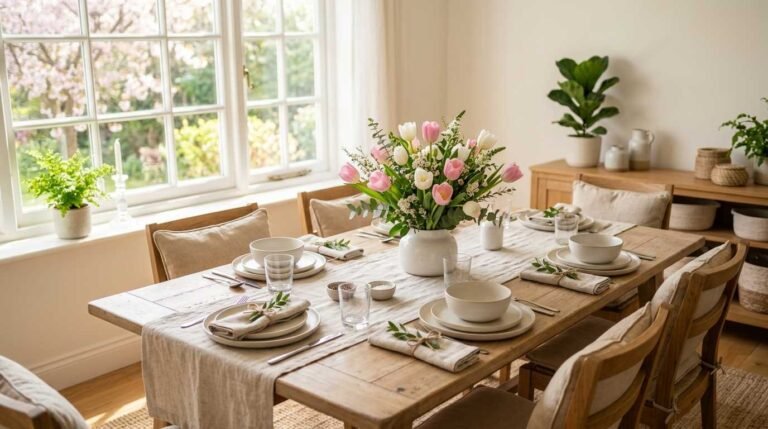
A seasonal tablescape keeps a formal dining room from ever feeling static. Keep the table, chairs, and linens constant, then swap the accents: blush tulips and pale linen in spring, white hydrangeas in summer, burgundy and gold in autumn, and evergreen with silver in winter. In my experience, this is the simplest way to keep formal dining room decor feeling current without spending much. The room stays elegant, and the table tells the story of the season. Guests notice the change and feel like the meal was planned just for them.
Planning makes seasonal styling easy. Choose a neutral base of white or ivory linens, plain china, and simple candlesticks, then store the seasonal accents in labeled boxes. I’ve seen this work well in many homes, since setup takes only minutes. Pick two or three colors for each season and repeat them in flowers, napkins, and candles. Keep the centerpiece low so guests can talk across the table. Real greenery and fresh fruit bring the season’s scents indoors, while dried and faux pieces last longer. Change just a few items, and the whole room feels new again.
FAQs
1. What makes a dining room feel formal instead of casual?
Formality comes from structure and refined details. Symmetrical furniture, a statement chandelier, upholstered chairs, layered linens, and wall treatments like wainscoting all contribute. In my experience, a dining room feels formal when everything looks intentional, from the table setting to the curtains.
2. What color schemes work best for a formal dining room?
Deep, moody neutrals like charcoal, navy, and forest green feel rich and elegant. Soft creams and warm whites work well for a lighter, classic look. Adding metallic accents in brass or gold brings warmth without losing the polished feel.
3. What type of lighting suits a formal dining room?
A chandelier centered over the table is the classic choice, since it acts as both a light source and a focal point. Adding a dimmer switch and a few taper candles creates a softer glow for evening dinners. I’ve noticed that warm-toned bulbs make formal rooms feel far more inviting.
4. Should I use a rug in a formal dining room?
Yes, a rug anchors the table and adds warmth underfoot. Choose one large enough that the chairs stay on it when pulled out, usually extending about 24 inches past the table on every side. Low-pile styles are easier to clean after meals.
5. What kind of table and chairs work best for formal dining?
A rich wood table in a deep finish makes a strong anchor, especially when paired with upholstered chairs for comfort. Matching sets feel traditional, while a mix of armchairs at the ends and side chairs along the sides adds interest. Comfortable seating matters, since formal dinners tend to last longer.
6. How can I add elegance without overcrowding the room?
Choose fewer, higher-quality pieces instead of filling every surface. A single statement mirror, one beautiful centerpiece, and a well-styled sideboard often do more than many small accessories. That’s why many designers recommend editing the room before adding anything new.
7. Are curtains or drapes necessary in a formal dining room?
They aren’t required, but they add softness, height, and a finished look that formal rooms benefit from. Floor-length panels hung close to the ceiling make the room feel taller. Cornices or layered drapery add an even more tailored touch.
8. What tableware suits a formal dining room aesthetic?
Fine china, crystal glassware, and polished flatware set the tone. White or ivory china with a subtle gold or platinum rim is a timeless choice. Layering a charger, dinner plate, and folded linen napkin gives the table its classic, put-together look.
9. Can a formal dining room still feel warm and inviting?
Absolutely. Soft candlelight, plush upholstered seating, natural wood tones, and fresh flowers keep a formal room from feeling cold. I’ve seen how a simple floral centerpiece and a layered rug can make even the most traditional space feel welcoming.
10. How do I update a formal dining room on a budget?
Start with small changes like fresh paint, new curtains, a rug, or updated table linens. Swapping hardware on a sideboard or adding a large mirror can also make a big difference without a big spend. Thrifted crystal, vintage china, and secondhand frames are affordable ways to add character.
Conclusion
A elegant dining room doesn’t need a big budget or a complete overhaul. It just needs a few pieces chosen with care and placed with intention. Whether you start with a chandelier, a layered table setting, or a soft glow of candlelight, these formal dining room decor ideas show how small details can create a timeless, welcoming space. I’ve seen how one simple change, like new drapery or a fresh floral centerpiece, can shift the whole feel of a room. Pick one idea and try it this week. Save this post on Pinterest for later, and share it with someone ready to elevate their dining room.